Chainmail Aprons for Food Safety Compliance
When you’re working in an industrial kitchen or a food-processing environment, safety is the top priority. One piece of equipment that can make a significant difference in ensuring your protection is a chainmail apron. But not all chainmail is created equal. So how can you tell if you’re buying a high-quality apron that will truly protect you from cuts and abrasions, or if you’re getting an inferior product that might put your safety at risk?
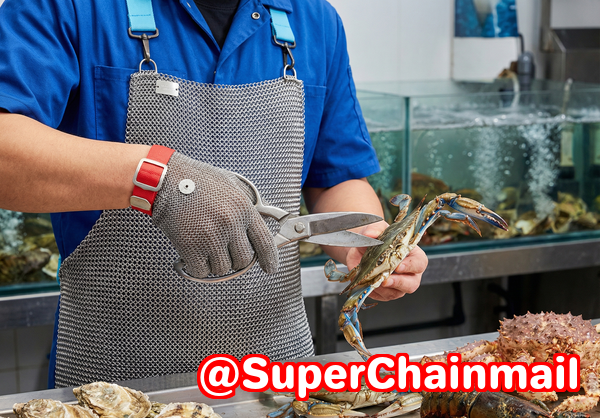
I’ve been there before. As a buyer, it’s easy to get caught up in the sales pitch, but it’s not until you put a product to the test that you truly know if it’s worth your money. When it comes to food safety compliance, you need something durable, reliable, and proven to withstand the rigors of your work environment. In this blog post, I’ll guide you through how to spot high-quality chainmail aprons that will keep you safe and ensure your investment is a wise one.
Common Pain Points When Evaluating Chainmail
Before diving into the inspection process, let’s take a moment to identify some common challenges buyers face when looking for chainmail products.
1. Distinguishing Welded Rings from Open Rings
One of the most frequent mistakes I see buyers make is not understanding the difference between welded rings and open rings. You can spot welded rings by their solid construction, as the ends are fused together. Open rings, on the other hand, can easily be separated or bent, which means they won’t provide the same level of protection.
2. Understanding Stainless Steel Grades
There are different grades of stainless steel, with 304 and 316 being the most common. But what’s the difference? 304 is the more affordable option and has great corrosion resistance, but for high-end performance, especially in food processing, 316 offers superior resistance to corrosion and pitting. It’s a good idea to look for chainmail made from 316 stainless steel when you’re dealing with foods that might be acidic or if your apron will be exposed to harsh environments.
3. Evaluating Weave Patterns for Durability
Not all chainmail weaves are created for the same level of protection. For example, the European 4-in-1 weave is known for its strength and durability. It’s perfect for situations where you need maximum cut resistance. But if you’re looking at something more decorative, like a cosplay piece, you may see looser weaves or cheaper materials that won’t stand up to rigorous industrial use.
How to Evaluate the Quality of Chainmail
When you’re ready to purchase a chainmail apron, it’s crucial to know exactly what to look for. This is where Aegimesh’s guide can really help. By following these steps, you can be sure that you’re getting the best possible protection for your needs.
1. Inspect the Material Type
Material quality is the foundation of good chainmail. The first thing I always do when inspecting chainmail is check the grade of stainless steel. The two most commonly used are 304 and 316 stainless steel, with 316 being the more durable and corrosion-resistant option.
-
304 Stainless Steel: Good for general-purpose applications, but it can rust over time in wet or acidic environments.
-
316 Stainless Steel: This is your go-to for food-processing environments or anywhere corrosion resistance is critical.
Tip: If you’re working with food or in an environment with high moisture, 316 is the better option for its superior corrosion resistance.
2. Examine the Rings
Now, let’s talk about the rings themselves. High-quality chainmail should feature welded rings. The welding process creates a seamless, sturdy bond, ensuring that the ring cannot be pulled apart or bent easily. Open rings, in contrast, will allow the weave to come apart and aren’t safe for industrial use.
To perform a simple test, gently pull on the rings of your chainmail apron. If any of the rings separate or feel loose, you’re likely dealing with low-quality material.
3. Check the Wire Thickness and Inner Diameter
Next up is the wire thickness and inner diameter of the rings. Thicker wire provides better protection against cuts and abrasions, so be sure to check this before making a purchase. The inner diameter of the rings also affects the apron’s strength. The tighter the rings are packed, the more durable the weave will be.
A good rule of thumb: Look for a wire thickness of at least 1mm for heavy-duty use.
4. Inspect the Weave Pattern
The weave pattern of the chainmail determines its strength and how well it can protect you from cuts. The most common pattern used for industrial applications is the European 4-in-1 weave. This means each ring is woven into four others, creating a strong, dense, and durable surface.
Tip: If you’re looking at a decorative piece, such as for cosplay or a historical replica, be aware that looser weaves will not offer the same protection as a tight 4-in-1 weave.
Benefits of Proper Inspection
You might be wondering, “Why go through all this trouble to inspect the chainmail?” Here’s the thing: when you’re investing in a piece of equipment designed for protection, especially in a high-risk environment like food handling, you can’t afford to take shortcuts. Poor-quality chainmail can leave you vulnerable to cuts, tears, and injuries.
By performing a thorough inspection, you can:
-
Avoid purchasing unsafe or low-quality chainmail that might not meet the safety standards you need.
-
Ensure that your chainmail will stand up to the rigors of industrial use, saving you money in the long run by avoiding replacements.
-
Have peace of mind knowing that your purchase is durable and fit for purpose.
Real-World Scenario: Why Chainmail Inspection Matters
Imagine this: you’re a butcher in a busy processing plant, working with sharp knives and heavy machinery. One day, your trusty chainmail apron starts to feel a little less secure, and you don’t think much of it. But then, while working with a particularly sharp knife, the chainmail fails, and you end up with a serious injury. That’s a scary scenario, and it could have been avoided with proper inspection.
I’ve heard stories like this from professionals across various industries. The difference between low-quality and high-quality chainmail can be life-saving.
Conclusion: Making the Right Choice
When it comes to purchasing chainmail for food safety compliance, it’s essential to do your research. By understanding the material, inspecting the rings and weave pattern, and ensuring the product meets industry standards, you can make an informed decision that protects both you and your employees.
I highly recommend following these steps to ensure any chainmail purchase meets safety and durability standards. Not only will it save you money, but it’ll also give you confidence in your equipment.
For a deeper dive into chainmail quality inspection, check out Aegimesh’s detailed chainmail inspection guide today!
Frequently Asked Questions
1. How can I tell if a chainmail ring is welded or open?
Look closely at the ends of the rings. A welded ring will have a solid, fused bond, while an open ring will have a visible gap that can be separated.
2. Which stainless steel grade is best for long-lasting chainmail?
For high-performance and corrosion resistance, particularly in food processing environments, 316 stainless steel is the best choice.
3. How do I inspect the weave pattern for strength?
Check the number of rings woven together. A European 4-in-1 weave is the strongest and most durable for industrial use.
4. What are the signs of low-quality or unsafe chainmail?
Signs include loose rings, inconsistent weaves, or visible signs of corrosion or wear.
5. Can decorative chainmail be used for protective purposes?
Not typically. Decorative chainmail often uses looser weaves and thinner rings that won’t provide the same protection as industrial-grade chainmail.
6. How do I choose the right chainmail for industrial vs cosplay use?
For industrial use, focus on tight weaves (like European 4-in-1) and high-quality stainless steel (316). For cosplay, aesthetic appeal and lighter materials may be more important than strength.
7. Is chainmail safe for food-processing environments?
Yes, as long as it’s made from high-quality stainless steel (preferably 316) and has a proper weld structure for safety and durability.
Tags/Keywords
chainmail quality, welded rings, stainless steel chainmail, cut-resistant chainmail, chainmail inspection, European 4-in-1 weave, chainmail durability