A Comprehensive Guide to Steel Chainmail and Its Uses in Combat
When it comes to purchasing chainmail, whether for protection in industrial settings, historical reenactments, or cosplay, the process can feel overwhelming. How do you know you’re getting a quality product that won’t fall apart after a few uses? It’s easy to be misled by flashy advertisements or low prices, but understanding the fundamentals of chainmail quality can save you money and, more importantly, ensure your safety.
The Importance of Chainmail Quality
Imagine you’re preparing for a medieval reenactment, or you need protective gear for food processing or industrial work. You find what looks like a great deal on chainmail online, but you’re not sure about the quality. Will it provide the protection you need? Is it durable enough to withstand the rigors of the job? Unfortunately, many buyers end up with inferior products that can’t do what they’re supposed to, and that’s where learning to identify high-quality chainmail becomes essential.
As someone who has worked with chainmail for years, I’ve learned the hard way about the importance of inspecting each piece thoroughly. In this guide, I’ll walk you through how to evaluate chainmail’s key featuresmaterials, welding, weave, and moreto help you make informed decisions. Whether you’re buying for safety, decoration, or recreation, this step-by-step approach will empower you to spot quality chainmail that meets your needs.
Common Issues When Evaluating Chainmail
One of the most frustrating aspects of purchasing chainmail is that it’s not always easy to distinguish high-quality products from low-quality imitations. There are several common pitfalls that many buyers face when evaluating chainmail:
-
Welded vs. Open Rings: Not all rings in chainmail are welded shut, and this can have a big impact on its strength and durability. Open rings, while cheaper, can lead to weak spots in the chainmail and make it more prone to breaking apart.
-
Corrosion Resistance: Stainless steel is the most common material used in chainmail, but not all stainless steel grades are created equal. Some grades are more resistant to corrosion and rust, especially in wet or high-moisture environments.
-
Weak Weaves: The weave pattern itself is crucial for the strength of the chainmail. A poorly woven product can come apart under stress, rendering it ineffective for its intended use.
How to Inspect and Verify Chainmail Quality
When evaluating chainmail, there are several key areas to inspect. Here’s a breakdown of the most important factors to look for, whether you’re buying for industrial purposes or cosplay:
1. Material Quality
The material of the chainmail is one of the most important things to consider. Stainless steel is typically the material of choice because of its strength and resistance to corrosion. However, not all stainless steel is the same.
-
304 Stainless Steel: This is the most common grade of stainless steel used in chainmail. While it’s durable and resistant to rust, it may not hold up as well in extreme environments.
-
316 Stainless Steel: This is a higher grade of stainless steel, known for its superior corrosion resistance. It’s often used in industrial or food processing environments where durability is critical.
Tip: Look for products that specifically mention the grade of stainless steel used. If you’re buying chainmail for heavy-duty use (like cut-resistant gloves for industrial work), opt for 316 stainless steel to ensure long-lasting performance.
2. Ring Welding
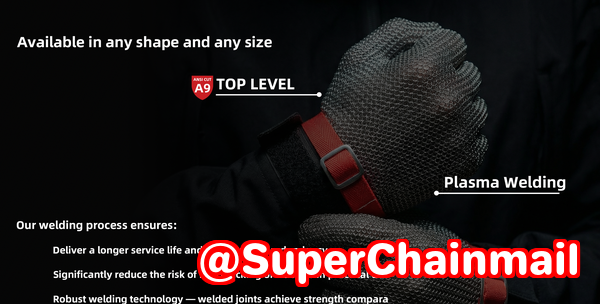
Welding is a crucial aspect of chainmail construction. Welded rings are stronger and more reliable than open rings, which can easily separate under stress.
-
Welded Rings: These rings are fused shut, providing a more robust connection between each link. This is ideal for both protective and decorative chainmail.
-
Open Rings: These are cheaper to produce, but they can create weak points that compromise the integrity of the chainmail.
How to Check: Gently tug on individual rings to see if they separate. If you can pull a ring apart, the chainmail is made with open rings, which are less durable and unsafe for protective use.
3. Wire Thickness and Ring Diameter
The thickness of the wire used and the diameter of the rings are both key factors in the strength of the chainmail. Thicker wire and smaller ring diameters generally create a more durable product.
-
Wire Thickness: Thicker wire provides greater strength and resistance to wear. For industrial or protective chainmail, thicker wire is ideal for durability.
-
Ring Diameter: Smaller rings provide a denser weave, making the chainmail more effective at stopping cuts. European 4-in-1 is a popular weave for this reason.
How to Check: Measure the thickness of the wire and the inner diameter of the rings. If you’re purchasing online, ask the seller for these specifications. A proper European 4-in-1 weave should feel solid under your hand.
4. Weave Patterns
Chainmail’s weave pattern is a critical component that affects its strength and flexibility. One of the most common and reliable weaves is European 4-in-1.
-
European 4-in-1: This pattern involves four rings surrounding each individual ring, creating a tight and durable structure. It’s one of the strongest weaves and works well for both decorative and protective uses.
-
Other Weaves: While European 4-in-1 is widely preferred, other weaves like 6-in-1 or 8-in-1 may also be used for added protection in certain applications.
Tip: Check for a consistent weave across the entire piece of chainmail. A poorly woven piece will have visible gaps and weak points that can lead to failure.
Practical Tips for Buyers
Now that you know what to look for, here are a few practical tips to help you make the best choice:
-
Perform a Simple Pull Test: Gently tug on the rings to see if they’re welded properly. A good-quality chainmail should hold together without any rings coming loose.
-
Inspect for Corrosion: If the chainmail shows any signs of rust or discoloration, it may not be made from high-quality stainless steel. This is especially important if the chainmail will be exposed to moisture regularly.
-
Consider Your Intended Use: The type of chainmail you need will vary depending on your purpose. For industrial or food processing, durability and corrosion resistance are key. For cosplay or decoration, you might prioritize appearance, but still look for a durable weave and welded rings.
Conclusion
Chainmail can be a fantastic investment for a variety of purposes, from industrial protection to cosplay and historical reenactments. However, it’s important to know how to evaluate the quality of the chainmail you’re purchasing. By understanding the materials, welding techniques, wire thickness, ring diameter, and weave patterns, you can make sure you’re investing in a durable and safe product.
I highly recommend following these steps to ensure any chainmail purchase meets safety and durability standards. Don’t let a flashy product listing or a low price fool youinvest in quality chainmail that will last and perform as expected.
Learn more about identifying high-quality chainmail products: Aegimesh Chainmail Guide
FAQs
-
How can I tell if a chainmail ring is welded or open?
-
You can perform a simple tug test. If the ring comes apart, it’s an open ring. Welded rings should stay intact when pulled.
-
-
Which stainless steel grade is best for long-lasting chainmail?
-
For durability and corrosion resistance, 316 stainless steel is the best option, especially in industrial environments.
-
-
How do I inspect the weave pattern for strength?
-
Look for a consistent, tight weave with no gaps. The European 4-in-1 pattern is highly recommended for both strength and flexibility.
-
-
What are the signs of low-quality or unsafe chainmail?
-
Signs include open rings, weak weaves, rust or corrosion, and poor craftsmanship. These issues can compromise the chainmail’s durability and safety.
-
-
Can decorative chainmail be used for protective purposes?
-
Decorative chainmail may look great but isn’t always strong enough for protective use. Always check for welded rings and a sturdy weave if protection is your goal.
-
-
How do I choose the right chainmail for industrial vs cosplay use?
-
For industrial use, look for heavy-duty, corrosion-resistant options like 316 stainless steel with a dense European 4-in-1 weave. For cosplay, you can opt for lighter options, but make sure the weave is still tight and durable.
-
Tags or Keywords:
-
chainmail quality, welded rings, stainless steel chainmail, cut-resistant chainmail, chainmail inspection, European 4-in-1 weave