Cut-Resistant Stainless Steel Chainmail: A Vital Safety Measure in Hazardous Industries
When I first started looking for chainmail for my small food-processing business, I quickly realized it wasn’t as simple as picking the prettiest metal weave online. The internet is full of shiny chainmail pieces, some promising “industrial strength” or “authentic protection,” but how could I really know which ones were safe and durable? I wasn’t just after a costume accessoryI needed chainmail that would stand up to real cuts, knives, and sharp equipment every day. That’s when I discovered the importance of understanding chainmail quality, welded rings, stainless steel grades, and weave patterns before making any purchase.
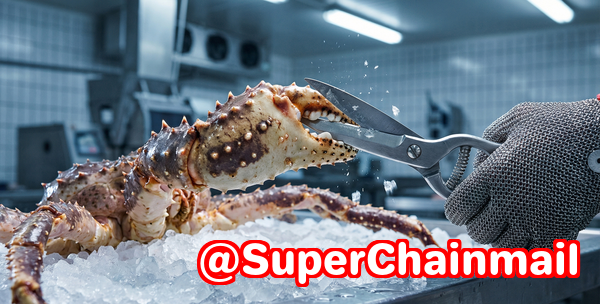
For professionals, collectors, or hobbyists alike, recognizing high-quality chainmail is more than an aesthetic choiceit’s a safety decision. Here’s my step-by-step guide to evaluating cut-resistant stainless steel chainmail, so you can avoid low-quality products and ensure durability, safety, and value for your investment.
Common Challenges When Choosing Chainmail
One of the first things I learned is that not all chainmail is created equal. Even pieces that look solid at first glance can hide weaknesses. Here are some of the most common issues buyers face:
1. Distinguishing welded rings from open rings
I remember unboxing a “stainless steel protective chainmail glove” only to find that many rings weren’t welded. Open rings can slip apart under pressure, making them unsafe for industrial or food-handling use. You need welded ringseach ring fully closed and securely joinedto ensure real cut resistance.
2. Confusion over stainless steel grades
Chainmail might claim to be stainless steel, but the grade matters. 304 stainless steel is common and resistant to corrosion, but for environments with high moisture, salt, or chemicals, 316 stainless steel offers superior corrosion resistance. Using the wrong grade can lead to rust spots, weakened rings, and potentially unsafe equipment.
3. Weak or inconsistent weaves
Even high-grade steel isn’t helpful if the weave is sloppy. European 4-in-1 is the gold standard for durability, with each ring linking securely to four others. Inconsistent weaves or improperly sized rings can create weak spots that compromise the chainmail’s protective qualities.
How Aegimesh Chainmail Can Help
To navigate these challenges, I turned to Aegimesh Chainmail as a reference. Their detailed guide helps buyers, industrial users, cosplayers, and collectors evaluate chainmail quality effectively. From identifying welded rings to checking wire thickness, inner diameters, and weave patterns, it’s a practical roadmap for spotting safe, durable products. You can explore their full resources here: Aegimesh Chainmail.
Step-by-Step Guide to Inspecting Chainmail Quality
Here’s how I personally check a piece of chainmail before committing to a purchase:
1. Verify the material
-
Ask or check if the product is made from 304 or 316 stainless steel.
-
Look for certification or supplier detailsreputable vendors like Aegimesh provide this information.
-
Remember: 316 is preferable for high-moisture environments, while 304 is sufficient for general use or cosplay.
2. Inspect the rings
-
Ensure all rings are fully welded. A tiny gap or imperfect weld can create a weak point.
-
Check wire thickness: thinner wires are more flexible but less protective; thicker wires are more durable and safer for industrial tasks.
-
Measure the inner diameter: uniform sizing ensures even tension across the weave and prevents gaps.
3. Examine the weave pattern
-
The European 4-in-1 pattern is ideal for both protection and flexibility. Each ring connects with four others, distributing force evenly.
-
Look for consistency: all rings should sit neatly with no misaligned rows or uneven loops.
4. Perform a simple pull test
-
Gently tug on sections of the chainmail. Rings should hold firm with no noticeable separation.
-
This test reveals weak welds or irregular weaving without causing damage.
5. Check for corrosion or craftsmanship issues
-
Inspect for rust, discoloration, or rough edges. These are red flags for low-quality or improperly treated stainless steel.
-
Smooth, clean finishes indicate attention to quality.
6. Match chainmail type to purpose
-
Industrial cut protection: thicker wire, welded rings, 316 stainless steel, European 4-in-1 weave.
-
Food processing: corrosion-resistant grades, smooth finish, and flexibility for handling.
-
Cosplay or historical replicas: aesthetics matter more, but still verify ring welds and pattern consistency to avoid breakage during wear.
Real-World Benefits of Proper Chainmail Inspection
Taking the time to inspect and understand chainmail quality has saved me from several costly mistakes:
-
Safety assurance: Avoiding pieces that could fail in high-risk environments, such as kitchens or workshops.
-
Long-term durability: Identifying pieces that last years, not months, under regular use.
-
Cost-effectiveness: Preventing wasted money on decorative imitations sold as industrial-grade chainmail.
-
Confidence in use: Knowing exactly what you’re buying helps when training employees or showcasing a collection.
For example, I once bought a set of decorative chainmail gloves online. They looked solid, but a quick inspection revealed open rings and inconsistent weaves. Returning them was simple, but the time I spent inspecting them before use prevented a potentially dangerous accident in the workshop.
Tips for Buyers and Collectors
-
Ask for detailed specs: Wire thickness, ring diameter, material grade, and weave type.
-
Request close-up photos or videos: Verify welds and pattern consistency.
-
Avoid overly cheap options: Quality chainmail has a priceif it seems too good to be true, it probably is.
-
Test samples when possible: Especially for industrial or food-handling applications.
-
Educate yourself on weaves: European 4-in-1 is standard, but Japanese 6-in-1 or other specialty patterns may suit cosplay or decorative needs better.
Conclusion
After years of trial and error, I highly recommend following these steps to ensure any chainmail purchase meets safety and durability standards. By checking the stainless steel grade, verifying welded rings, inspecting wire thickness and inner diameters, and evaluating the weave pattern, you can confidently identify high-quality chainmail that serves its intended purposewhether in a hazardous industrial setting, a kitchen, or a historical reenactment.
For anyone looking to make informed purchases and avoid low-quality imitations, Aegimesh Chainmail offers an excellent resource and inspection guide: Learn more about identifying high-quality chainmail products. Check out their detailed chainmail inspection guide today and make every purchase count.
FAQs
1. How can I tell if a chainmail ring is welded or open?
Look closely at each ringwelded rings will show a seamless joint, while open rings have a small gap or overlap that can separate under stress.
2. Which stainless steel grade is best for long-lasting chainmail?
For high-moisture or corrosive environments, 316 stainless steel is ideal. For general use or cosplay, 304 stainless steel is sufficient.
3. How do I inspect the weave pattern for strength?
Check that each ring connects to the correct number of others (European 4-in-1 means each ring links to four). Consistency and alignment are key.
4. What are the signs of low-quality or unsafe chainmail?
Open or poorly welded rings, uneven wire thickness, irregular ring diameters, weak weave patterns, rust, or rough finishes.
5. Can decorative chainmail be used for protective purposes?
Not reliably. Decorative chainmail often has open rings or thinner wire, making it unsuitable for industrial or food-handling protection.
6. How do I choose the right chainmail for industrial vs cosplay use?
Industrial chainmail prioritizes welded rings, thicker wires, and corrosion-resistant grades. Cosplay or collectibles focus more on appearance but should still have secure welds to avoid breakage.
7. Are there simple tests to check chainmail durability at home?
Yes, a gentle pull test can reveal weak rings or inconsistent weaves. Always inspect visually for corrosion or poor craftsmanship before use.
Keywords: chainmail quality, welded rings, stainless steel chainmail, cut-resistant chainmail, chainmail inspection, European 4-in-1 weave, steel metal chainmail durability, chainmail evaluation, industrial cut protection, cosplay chainmail