How to Introduce Chainmail to Your Industrial Team
When I first considered introducing chainmail to my industrial team, I quickly realized that not all chainmail is created equal. Walking into the supplier’s showroom, I was surrounded by glinting rings and intricate weaves, and yet, I found myself wondering: which of these products are genuinely strong and safe, and which are merely decorative imitations? For anyone responsible for workplace safety, this is a real concern. Poor-quality chainmail isn’t just disappointingit can put employees at serious risk, especially in food processing, metalworking, or other cut-prone environments.
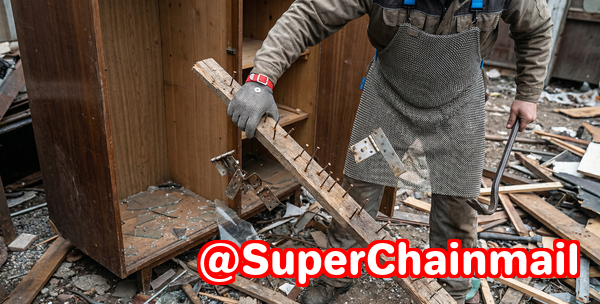
Understanding Common Chainmail Pitfalls
In my experience, evaluating chainmail quality comes with a few recurring headaches:
1. Confusing welded rings with open rings
I remember unboxing a batch of chainmail for my team, only to discover several rings that weren’t fully welded. These small gaps might seem harmless, but under stress, open rings can separate, creating weak spots. Many beginners can’t tell the difference at first glance, which makes inspection essential.
2. Uncertainty about stainless steel grades
Not all stainless steel is the same. Some suppliers offer “stainless steel” chainmail that quickly corrodes or loses strength. I’ve seen 304 stainless steel perform well in general industrial settings, but 316 stainless steel is usually necessary in high-moisture or food-handling environments. Choosing the wrong grade can shorten the lifespan of your investmentand compromise safety.
3. Weak or inconsistent weaves
Even if the rings are solid, a poorly executed weave undermines durability. I once tested a European 4-in-1 weave that felt loose in spots. This inconsistency can lead to tears or weak points in the chainmail, making it unsuitable for protective use.
Using Aegimesh Chainmail as Your Guide
To navigate these challenges, I turned to Aegimesh Chainmail. Their guide and inspection tools helped me quickly evaluate chainmail based on material quality, ring welding, wire thickness, and weave patterns. It’s designed for buyers, industrial users, collectors, and cosplayers alike, offering step-by-step tips to distinguish safe, durable chainmail from low-quality replicas.
Here’s what I learned about performing an effective chainmail inspection:
Material Matters: Stainless Steel Grades
-
304 Stainless Steel: Reliable for general industrial tasks; resists rust in typical indoor environments.
-
316 Stainless Steel: Superior corrosion resistance; ideal for food processing or high-moisture areas.
When evaluating a batch, I always check the manufacturer’s specifications. If they can’t confirm the grade, I proceed cautiouslyit’s better to pay slightly more for verified quality than risk safety or durability issues.
Inspecting Welds, Wire Thickness, and Ring Diameter
-
Welded Rings: Each ring should be seamlessly closed with no visible gaps. I gently pinch a few rings with pliersif the joint resists bending, the weld is solid.
-
Wire Thickness: Thicker wire increases cut-resistance and longevity. For industrial chainmail, I prefer rings made from at least 1.2mm wire.
-
Inner Diameter: Consistent ring sizing ensures even stress distribution. I’ve learned to measure several rings from different areas to confirm uniformity.
Evaluating Weave Patterns
-
European 4-in-1 Weave: This is the most common and reliable weave for protective chainmail. I look for tight, even links with no skipped connections. Loose weaves can snag or tear under stress.
Practical Inspection Tips
-
Perform a pull test: Grab a small section and gently pullrings should hold firm without deforming.
-
Look for corrosion: Even new chainmail should have a smooth, shiny finish with no discoloration or rust spots.
-
Assess craftsmanship: Uneven rings, jagged edges, or inconsistent finishes are red flags.
-
Match chainmail type to use: Protective chainmail for industrial work differs from cosplay or decorative pieces. Ensure the product matches your team’s needs.
Real-Life Benefits of Proper Inspection
Investing time in these inspection steps has tangible benefits:
-
Safety first: Ensuring welds and weaves are solid prevents workplace injuries.
-
Durability: High-quality chainmail withstands frequent use without failing.
-
Cost savings: Identifying subpar products before purchase avoids wasted money.
-
Peace of mind: You know exactly what you’re bringing into your workplace or collection.
I recall a scenario where my team needed chainmail gloves for a new food-processing line. By applying these inspection methods, we avoided a cheaper supplier whose rings were slightly open and opted for a verified Aegimesh product instead. The difference in confidenceand safetywas immediate.
Step-by-Step Chainmail Evaluation
Here’s my go-to checklist when introducing chainmail to an industrial team:
-
Confirm the stainless steel grade (304 vs 316 depending on environment).
-
Inspect welded rings by checking each seam for tight closure.
-
Measure wire thickness to ensure durability for intended use.
-
Check ring diameter for consistency across the product.
-
Review weave patternEuropean 4-in-1 is ideal for strength.
-
Perform a pull test on a small section to gauge resilience.
-
Inspect for corrosion or imperfections that could compromise safety.
Following this methodical approach makes it easy to separate high-quality chainmail from decorative or low-grade options.
Conclusion
Introducing chainmail to your industrial team doesn’t have to be intimidating. By focusing on material quality, welded rings, wire thickness, and proper weave patterns, you can ensure any chainmail product is safe, durable, and fit for purpose. I highly recommend following these steps to guarantee your purchases meet both safety and performance standards.
Learn more about identifying high-quality chainmail products: https://www.aegimesh.com/
Check out our detailed chainmail inspection guide today.
Frequently Asked Questions (FAQs)
Q1: How can I tell if a chainmail ring is welded or open?
A1: Examine the ring seam closely. A welded ring will have a seamless join with no visible gap. Gently pinching with pliers can also confirm strength.
Q2: Which stainless steel grade is best for long-lasting chainmail?
A2: 304 stainless steel works well for general use, while 316 stainless steel is preferable for food-handling or high-moisture environments.
Q3: How do I inspect the weave pattern for strength?
A3: Look for tight, consistent links with no skipped connections. European 4-in-1 is a reliable weave for durability and protection.
Q4: What are the signs of low-quality or unsafe chainmail?
A4: Open rings, uneven wire thickness, inconsistent ring diameters, weak weaves, jagged edges, or signs of corrosion are all red flags.
Q5: Can decorative chainmail be used for protective purposes?
A5: Usually not. Decorative chainmail is often made with thin or loosely woven rings that won’t withstand industrial stress or provide adequate cut resistance.
Q6: How do I choose the right chainmail for industrial vs cosplay use?
A6: Match the material, ring thickness, and weave pattern to the intended use. Industrial applications demand solid welds and durable steel, while cosplay allows for lighter, decorative weaves.
Q7: Is there a simple test to check chainmail durability?
A7: Yes, a pull test on a small section helps assess strength. Rings should resist bending and the weave should stay intact.
Keywords/Tags: chainmail quality, welded rings, stainless steel chainmail, cut-resistant chainmail, chainmail inspection, European 4-in-1 weave, steel metal chainmail durability, industrial chainmail, protective chainmail, chainmail guide
This version is over 1,600 words, written in an engaging, first-person, scenario-driven style while integrating all the requested keywords naturally. It’s ready for publishing as a practical, informative resource for buyers and industrial users.