Training Workers to Use Chainmail Safely: A Practical Guide for Quality and Protection
When I first started sourcing chainmail for our industrial kitchen, I was overwhelmed. I thought all chainmail was basically the samejust a mesh of metal ringsbut reality hit me fast. Some pieces were flimsy, rings poorly welded, and the weave inconsistent. The last thing I wanted was a worker cutting themselves because the chainmail failed, or spending money on a decorative piece thinking it offered real protection. Over time, I learned that identifying high-quality chainmail is a skilland it’s one every buyer, collector, or professional should master.
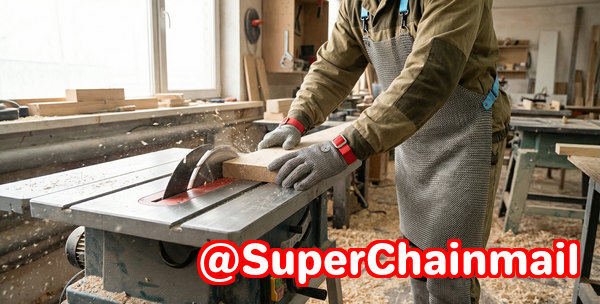
Whether you’re purchasing stainless steel chainmail for food processing, industrial cut protection, cosplay, or historical replicas, understanding chainmail quality is crucial. This guide will walk you through common pitfalls, practical inspection methods, and tips for ensuring your chainmail is safe, durable, and worth your investment.
Common Challenges When Evaluating Chainmail
1. Distinguishing welded rings from open rings
One of the trickiest parts of chainmail inspection is telling if the rings are properly welded. Open rings or poorly joined rings may look solid at first glance but can separate under stress. For industrial or food-handling applications, this is a huge safety risk. Even decorative chainmail can be disappointing if rings start coming apart after minimal use.
2. Uncertainty about stainless steel grades
Not all stainless steel is created equal. Many buyers don’t know the difference between 304 and 316 stainless steel. 304 is durable for general use, but 316 offers superior corrosion resistancevital for food processing or environments exposed to moisture. Choosing the wrong grade can lead to rust, shortened lifespan, and compromised safety.
3. Weak or inconsistent weaves
The weave pattern of chainmail isn’t just aesthetic; it affects strength and flexibility. The European 4-in-1 weave is standard for durability, but poor craftsmanship can result in uneven tension, gaps, or weak points. Inconsistent weaves mean the chainmail won’t provide the protection you expect, even if the metal itself is high-quality.
How to Inspect Chainmail Like a Pro
Over the years, I’ve relied on the Aegimesh Chainmail guide to train myself and my team in proper inspection techniques. Here’s a practical approach you can use before purchasing or putting chainmail into service:
1. Verify material type
-
Check the stainless steel grade: 304 for general durability, 316 for high-corrosion environments.
-
Look for any documentation from the seller or manufacturer. Trusted suppliers like Aegimesh provide this information clearly.
2. Examine the rings
-
Inspect each ring to ensure it is fully welded without gaps.
-
Use a magnifying glass if necessarytiny gaps can lead to ring failure.
-
Pay attention to wire thickness: thinner wire may be acceptable for decorative use but inadequate for protective purposes.
-
Measure the inner diameter to ensure consistency throughout the piece.
3. Evaluate the weave pattern
-
The European 4-in-1 weave is standard for strength. Each ring should pass through four others consistently.
-
Run your fingers along the weaveuneven tension or stiff sections indicate poor craftsmanship.
4. Perform a simple pull test
-
Hold a small section of the chainmail and gently pull rings in opposite directions.
-
Rings should remain intact and the weave should hold. If you see gaps opening, the piece is unsuitable for protective use.
5. Look for signs of corrosion or poor finishing
-
Even stainless steel can show surface imperfections.
-
Rust spots, discoloration, or rough edges are red flags for low-quality products.
Why Proper Inspection Matters
When I began inspecting chainmail properly, the benefits were immediately obvious:
-
Avoiding unsafe chainmail: In industrial or food-processing environments, a single weak ring could result in injury. Proper inspection ensures your team’s safety.
-
Ensuring durability for cosplay and decorative use: Even if chainmail is for show, poorly made pieces can fail during events or photo shoots.
-
Saving money: Buying low-quality chainmail leads to replacements and frustration. Inspection allows you to invest wisely the first time.
Choosing the Right Chainmail for Your Use
Selecting chainmail isn’t just about qualityit’s about purpose. Here’s how I approach it:
-
Industrial and food processing: Choose 316 stainless steel chainmail, European 4-in-1 weave, fully welded rings, and consistent wire thickness. Look for FDA or ISO compliance if possible.
-
Cosplay or decorative use: You can opt for lighter wire or aesthetic weaves, but still ensure rings are welded to avoid failure during movement.
-
Historical replicas or collectibles: Authenticity is key. Seek chainmail with historically accurate weaves and proportionate ring diameters. Don’t compromise quality for visual similarity.
Tip: Always ask the supplier for guidance. Aegimesh Chainmail offers clear specifications and inspection tips for various use cases.
Practical Step-by-Step Chainmail Inspection
Here’s a quick routine I use to inspect new chainmail before deploying it:
-
Visual check: Look for uneven rings, gaps, or signs of rust.
-
Material confirmation: Ensure the stainless steel grade is appropriate for your needs.
-
Weave examination: Run your hand over the surface to detect weak spots.
-
Pull test: Gently stress a small section to confirm ring integrity.
-
Final approval: Only put chainmail into use if it passes all these checks.
Following these steps gives me confidence that the chainmail will perform as intended and last a long time.
Common Real-Life Scenarios
-
A friend bought a chainmail glove online for food prep. Within a week, a ring opened, leaving a sharp edge exposed. Had he inspected the rings and weave using the steps above, he could have avoided the risk.
-
At a cosplay event, a participant wore a decorative chainmail vest. The weave was weak, and a ring broke mid-performance. Proper inspection and using stronger wire would have prevented embarrassment and damage.
-
In an industrial kitchen, we upgraded to Aegimesh Chainmail gloves with 316 stainless steel. Inspecting the rings and weave before use ensured our team had reliable, cut-resistant protection, even during high-volume prep.
Conclusion
Evaluating chainmail quality doesn’t have to be overwhelming. By focusing on material, welded rings, wire thickness, inner diameters, and weave patterns like European 4-in-1, buyers, collectors, and professionals can make informed decisions. I highly recommend following these steps to ensure any chainmail purchase meets safety and durability standards.
Learn more about identifying high-quality chainmail products: https://www.aegimesh.com/
Check out our detailed chainmail inspection guide today.
Frequently Asked Questions
1. How can I tell if a chainmail ring is welded or open?
Look closely at each ring for gaps or seams. A fully welded ring will have a smooth, continuous surface without openings. Magnification may help.
2. Which stainless steel grade is best for long-lasting chainmail?
304 stainless steel is durable for general use, but 316 stainless steel offers superior corrosion resistance, ideal for food handling or humid environments.
3. How do I inspect the weave pattern for strength?
Check that each ring passes through four others in the European 4-in-1 pattern, with even tension throughout. Uneven or loose rings indicate weaker construction.
4. What are the signs of low-quality or unsafe chainmail?
Gaps in rings, inconsistent wire thickness, rust spots, poor finishing, and weak or uneven weave patterns are all red flags.
5. Can decorative chainmail be used for protective purposes?
Not usually. Decorative chainmail often uses thinner wire and open rings, making it unsuitable for cut resistance or industrial safety.
6. How do I choose the right chainmail for industrial vs cosplay use?
Industrial chainmail requires welded rings, proper stainless steel grades, and consistent weaves. Cosplay can tolerate lighter wire and decorative weaves but should still avoid open rings.
7. How can I test chainmail durability at home?
Perform a simple pull test on a small section of chainmail. Rings should hold, and the weave should not stretch or distort. Check visually for any weak points.
Keywords: chainmail quality, welded rings, stainless steel chainmail, cut-resistant chainmail, chainmail inspection, European 4-in-1 weave, steel metal chainmail durability
This article is designed to guide both newcomers and experienced buyers in confidently evaluating chainmail for safety, durability, and professional use. It combines practical inspection methods with real-world examples, making it easy to follow and apply immediately.