Chainmail More Than Just History, It’s the Future of Protection
Imagine walking into a store, scrolling through endless options of chainmail, and wondering, “Which one is actually safe and durable?” I’ve been there myself. Whether I was looking for protective gear for a busy kitchen, a cosplay outfit, or a historical reenactment, the challenge was the same: distinguishing high-quality chainmail from flashy, yet fragile, imitations. Many times, the shiny rings looked promising, but a closer inspection revealed weaknesses that could cost both money and safety. That’s why I’ve turned to Aegimesh Chainmail as a trusted guide for evaluating the real deal.
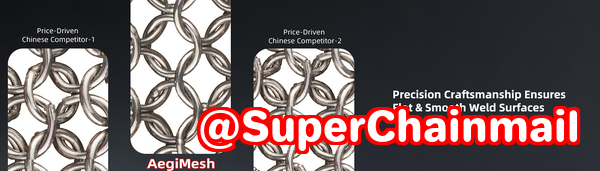
Why Evaluating Chainmail Quality Matters
Chainmail isn’t just medieval armor anymore. Today, it’s a functional tool for professionals and enthusiasts alike. Industrial workers rely on cut-resistant chainmail gloves to prevent injuries. Chefs use it for safe food preparation. Cosplayers and collectors want authentic, durable pieces that withstand wear without compromising the look.
Yet, the market is flooded with options, and not all chainmail is created equal. Here are a few common pain points I’ve seen:
-
Open vs. welded rings: Many cheap chainmail products use open rings that can easily bend or break, compromising safety.
-
Unclear stainless steel grades: Some chainmail looks sturdy but is made from low-grade steel that rusts quickly or lacks corrosion resistance.
-
Weak or inconsistent weaves: A poorly woven European 4-in-1 pattern can leave gaps or loose rings, reducing durability and strength.
These issues aren’t just inconvenientthey’re risky. That’s where a systematic inspection approach makes all the difference.
How I Inspect and Verify Chainmail Quality
Over the years, I’ve learned to check chainmail with a simple, step-by-step method. Aegimesh Chainmail’s guide helped me formalize this process. Here’s how I go about it:
1. Check the Material Type
Stainless steel is the go-to material for chainmail, but not all stainless steel is the same. I always look for:
-
304 Stainless Steel: Durable, corrosion-resistant, suitable for most decorative and cosplay uses.
-
316 Stainless Steel: Higher corrosion resistance, ideal for industrial use or food-processing environments where hygiene and exposure to moisture are critical.
You can often verify the grade through manufacturer specifications or by looking for quality certifications. Avoid chainmail that doesn’t clearly indicate the materialit’s usually a red flag.
2. Inspect Ring Welding
The rings are the backbone of chainmail. I use a magnifying glass to see if each ring is fully welded or merely closed with a seam. A good welded ring has no visible gaps, ensuring it won’t pop open under stress. Aegimesh Chainmail emphasizes this step because one weak ring can compromise the entire piece.
3. Evaluate Wire Thickness and Ring Diameter
Strong chainmail starts with robust wire. I check:
-
Wire Thickness: Thicker wires resist bending and cutting better. For industrial cut protection, anything below 1.2 mm might be too weak.
-
Inner Ring Diameter: Proper spacing ensures the weave holds together. Too wide or too tight, and the chainmail loses flexibility or strength.
This is especially important if you’re buying gloves or wearable protective gearcomfort shouldn’t come at the cost of safety.
4. Examine the Weave Pattern
Not all chainmail weaves are equal. The European 4-in-1 weave is the gold standard for strength and flexibility. Here’s what I look for:
-
Consistent interlocking of four rings around each single ring.
-
No gaps or misaligned rings.
-
Smooth flexibility without loose or rattling sections.
For collectors, cosplay, or display pieces, aesthetics matter too. A properly woven chainmail not only performs well but also looks authentic.
Practical Tips to Spot Low-Quality Chainmail
Even without a lab, you can test chainmail in a few simple ways:
-
Pull Test: Grab a small section and gently pull. Rings should hold firmly. Any easy opening or bending indicates weak construction.
-
Corrosion Check: Look for pitting, discoloration, or rough edges, which are signs of poor stainless steel or inadequate finishing.
-
Flexibility Test: Good chainmail bends and drapes naturally. Stiff or kinked sections may signal low-quality weave or cheap materials.
These steps have saved me from making purchases that seemed appealing but wouldn’t have lasted.
Benefits of Proper Inspection
Taking the time to inspect chainmail pays off in multiple ways:
-
Safety First: Ensures industrial chainmail gloves or cut-resistant sleeves protect against real hazards.
-
Durability: High-quality chainmail withstands daily wear, cleaning, and environmental exposure.
-
Cost-Efficient: Identifying low-quality products before purchase prevents wasted money and frustration.
-
Confidence in Authenticity: Whether for cosplay, historical reenactments, or collectibles, you know your chainmail meets expectations.
I’ve personally seen kitchens switch from low-quality gloves to well-inspected chainmail, drastically reducing minor cuts and injuries among staff. Similarly, cosplayers with authentic, properly welded chainmail report fewer issues during long events or photo shoots.
Choosing the Right Chainmail for Your Needs
Chainmail isn’t one-size-fits-all. Consider these use cases:
-
Industrial Cut Protection: Opt for 316 stainless steel, thick wire, welded rings, and a tight European 4-in-1 weave. Check certifications if available.
-
Food Processing: Prioritize corrosion resistance, hygienic finishes, and flexibility for safe handling.
-
Cosplay & Historical Replicas: 304 stainless steel is fine, but focus on authentic weave and ring size for visual appeal.
-
Collectibles & Display: Look for aesthetics, polished finishes, and historically accurate patterns. Durability is still important, especially if you handle the pieces.
Always match your purchase to the intended purpose. A beautiful decorative chainmail might look authentic but won’t protect you in a kitchen or industrial setting.
Conclusion
Over time, I’ve learned that buying chainmail isn’t just about picking the shiniest ringsit’s about knowing what to look for and how to inspect it properly. Checking material types, ring welds, wire thickness, inner diameters, and weave patterns ensures the chainmail you invest in is safe, durable, and fit for its intended use.
I highly recommend following these steps to ensure any chainmail purchase meets safety and durability standards. It’s an investment in peace of mind, performance, and authenticity.
Learn more about identifying high-quality chainmail products: https://www.aegimesh.com/
Check out our detailed chainmail inspection guide today.
FAQs
1. How can I tell if a chainmail ring is welded or open?
Look for a visible seam using a magnifying glass. Welded rings have no gap and feel solid when pulled, whereas open rings may flex or bend easily.
2. Which stainless steel grade is best for long-lasting chainmail?
316 stainless steel is the most corrosion-resistant and ideal for industrial and food-processing uses. 304 is suitable for decorative or cosplay purposes.
3. How do I inspect the weave pattern for strength?
Check that each ring interlocks correctly in a European 4-in-1 pattern, with no gaps, misalignments, or loose rings.
4. What are the signs of low-quality or unsafe chainmail?
-
Open or weak rings
-
Thin wire prone to bending
-
Irregular or loose weave
-
Signs of corrosion or rough finishes
5. Can decorative chainmail be used for protective purposes?
Generally, decorative chainmail is not designed for protection. Only welded, properly graded stainless steel with consistent weaves should be used for safety.
6. How do I choose the right chainmail for industrial vs cosplay use?
Match the material, ring thickness, and weave pattern to your needs: 316 stainless steel for industrial use, 304 steel for cosplay or decorative applications.
7. How do I perform a simple pull test?
Grab a small section of chainmail and gently pull. Rings should stay intact with no opening or bending. It’s a quick way to detect weak construction.
Tags/Keywords:
chainmail quality, welded rings, stainless steel chainmail, cut-resistant chainmail, chainmail inspection, European 4-in-1 weave, steel metal chainmail durability, chainmail gloves, chainmail for cosplay, industrial chainmail