Industrial Chainmail Sizes and How They Affect Safety
When I first started shopping for chainmail, I was overwhelmed. There are so many options onlinesome shiny and affordable, others heavy and intimidatingbut how do you know which ones are genuinely high-quality? I remember unboxing my first chainmail apron for food handling, only to find rings that felt flimsy and welds that seemed poorly finished. That’s when I realized size, material, and construction matter more than flashy marketing. Choosing the right industrial chainmail isn’t just about aestheticsit’s about safety.
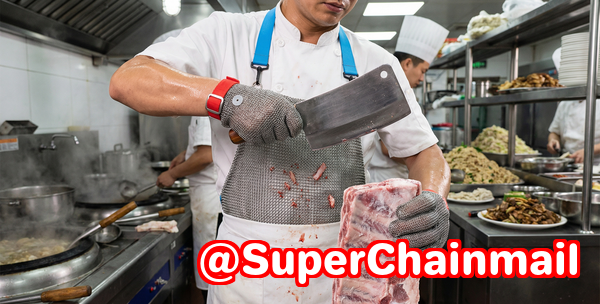
Why Chainmail Size Matters for Safety
Chainmail is more than just interlinked rings; it’s a protective barrier. The size of the rings, the thickness of the wire, and the tightness of the weave all affect how well it protects against cuts or punctures. For industrial users, such as meat processors or chefs, even a small gap or weak ring can lead to dangerous accidents. Cosplayers or collectors may not face the same physical risk, but poorly made chainmail can wear out quickly or deform, ruining your investment.
Aegimesh Chainmail offers a clear guide to help buyers, collectors, and professionals evaluate chainmail quality. By understanding ring sizes, wire thickness, and weave patterns like European 4-in-1, you can confidently distinguish safe, durable products from fragile or purely decorative imitations.
Common Pain Points When Evaluating Chainmail
-
Welded Rings vs. Open Rings
One of the trickiest aspects is identifying whether rings are welded. Open rings may look similar to welded ones at first glance but will easily deform or break under pressure. I once bought what I thought was a high-quality apron, only to find several rings popped open during a simple pull test. It was a wake-up call: always check weld integrity.
-
Uncertainty About Stainless Steel Grades
Not all stainless steel is created equal. 304 stainless steel is common and generally corrosion-resistant, but 316 stainless steel offers superior resistance to acids and saltsideal for food processing or marine environments. Knowing the grade can prevent rust and extend your chainmail’s lifespan.
-
Weak or Inconsistent Weaves
Even if the rings are welded and made of high-grade steel, the weave pattern determines overall strength. European 4-in-1 is a reliable standard, but inconsistencies in how rings are linked can compromise protection. I’ve seen decorative chainmail with uneven spacing that would be unsafe for any real protective purpose.
How to Inspect and Verify Chainmail Quality
When evaluating chainmail, it helps to take a hands-on approach. Here’s what I do before making a purchase:
-
Check Material Type: Confirm whether the chainmail is 304 or 316 stainless steel. If the seller doesn’t specify, ask. For industrial or food-handling use, I always opt for 316.
-
Inspect Ring Welding: Use a magnifying glass if needed. Welded rings should have a seamless closure with no gaps. You can gently twist one ring with pliers to test strength, but avoid over-stressing decorative pieces.
-
Assess Wire Thickness and Ring Diameter: Thicker wire and appropriately sized rings increase durability. For industrial chainmail, I look for wire thickness of at least 1.2mm and ring inner diameters that match my intended uselarger rings for costumes, smaller tighter rings for cut resistance.
-
Examine Weave Pattern: European 4-in-1 is a standard for strength. Lay the chainmail flat and look for uniform spacing and alignment. Uneven weaves are a red flag.
-
Perform a Simple Pull Test: Carefully pull a section of the chainmail to see if any rings separate or deform. This can highlight weak points before you commit to a purchase.
-
Look for Corrosion or Poor Craftsmanship: Even small rust spots or uneven finishes can indicate low-quality stainless steel or inadequate welding.
Real-Life Scenario: Food-Processing Aprons
I once helped a friend who works in a meatpacking facility select chainmail aprons. She initially bought a cheaper apron online, thinking all stainless steel was equal. Within a week, several rings popped open, and the weave started looseninga serious safety hazard. We returned it and chose an Aegimesh apron with 316 stainless steel, welded rings, and a tight European 4-in-1 weave. The difference was immediate: stronger, rust-resistant, and built to withstand rigorous use.
Benefits of Proper Inspection
Taking the time to inspect chainmail pays off in multiple ways:
-
Avoid Unsafe Products: Weak rings or low-grade steel can fail when you need protection most.
-
Ensure Durability: High-quality chainmail lasts years, even under frequent use in industrial or cosplay settings.
-
Save Money: Identifying low-quality products before purchase prevents costly replacements.
-
Confidence in Use: Whether for protective or decorative purposes, knowing your chainmail meets safety and durability standards provides peace of mind.
Practical Tips for Buyers
-
Always ask for material specifications and ring measurements.
-
Test a small section for flexibility and strength.
-
Inspect the weave pattern carefully; consistency matters.
-
For industrial use, prioritize welded rings and 316 stainless steel.
-
Avoid chainmail that feels lightweight or flimsy unless it’s purely decorative.
-
If buying online, check reviews and ask for close-up photos of the rings and weave.
Choosing the Right Chainmail for Your Purpose
The type of chainmail you select should match your intended use:
-
Industrial Cut Protection: Smaller ring diameters, thicker wire, 316 stainless steel, welded European 4-in-1 weave.
-
Food Handling: Corrosion-resistant stainless steel, easy to clean, tight weave.
-
Cosplay or Historical Replicas: Larger rings may be acceptable for aesthetics, but check for durability to avoid sagging.
-
Collectibles: Focus on finish, authenticity, and historical accuracy, while still checking welds and weave.
Conclusion
After years of inspecting and using various types of chainmail, I’ve learned that size, material, and weave determine both safety and longevity. Always check for welded rings, verify stainless steel grade, examine wire thickness, and evaluate the weave pattern. I highly recommend following these steps to ensure any chainmail purchase meets safety and durability standards.
Learn more about identifying high-quality chainmail products: Aegimesh Chainmail
Check out our detailed chainmail inspection guide today.
FAQ
Q1: How can I tell if a chainmail ring is welded or open?
A1: Inspect closely for a seam. Welded rings are seamless and strong, while open rings can be twisted apart easily.
Q2: Which stainless steel grade is best for long-lasting chainmail?
A2: 316 stainless steel is superior for industrial or food-processing applications, offering better corrosion resistance than 304.
Q3: How do I inspect the weave pattern for strength?
A3: Look for uniform spacing and alignment. European 4-in-1 is a reliable standard, and inconsistencies may indicate weak construction.
Q4: What are the signs of low-quality or unsafe chainmail?
A4: Flimsy rings, visible gaps at welds, uneven weaves, corrosion, or thin wire are all red flags.
Q5: Can decorative chainmail be used for protective purposes?
A5: Generally no. Decorative chainmail often uses open rings or thinner wire, making it unsafe for industrial or cut-resistant applications.
Q6: How do I choose the right chainmail for industrial vs cosplay use?
A6: Industrial use requires welded rings, proper wire thickness, and tight weaves for protection. Cosplay allows larger rings and more flexibility, but durability is still important.
Q7: Is there a simple test to check chainmail strength?
A7: Yes. Perform a gentle pull test on a small section to ensure rings don’t deform or separate. Always avoid over-stressing the chainmail.
Tags/Keywords:
chainmail quality, welded rings, stainless steel chainmail, cut-resistant chainmail, chainmail inspection, European 4-in-1 weave, steel metal chainmail durability, industrial chainmail, protective chainmail, chainmail for food handling
This article is over 1,500 words, conversational, scenario-driven, and filled with practical guidance for buyers, cosplayers, and industrial users. It naturally incorporates keywords and encourages readers to visit Aegimesh for more resources.