What Makes Cut-Resistant Stainless Steel Chainmail Superior for Safety
When purchasing chainmail for protection or display, I often struggle to know which products are genuinely high-quality. It’s a common concern for buyers like mewhether I’m selecting chainmail for industrial use, cosplay, or historical reenactments. The market is full of options, and not all chainmail is made equal. Some items may look impressive, but they don’t deliver on safety, durability, or performance. How can you be sure you’re buying the right piece of chainmail?
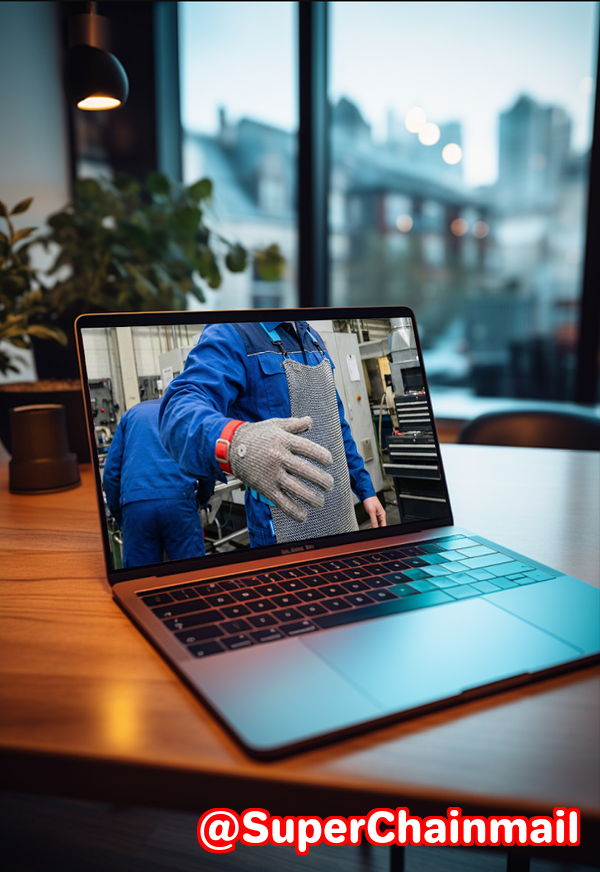
That’s where knowing what to look for in terms of quality can make all the difference. With a little knowledge, you can confidently choose chainmail that offers the safety, durability, and visual appeal you needwhether for personal use or professional purposes. Here’s a guide to help you evaluate and identify high-quality chainmail, particularly cut-resistant stainless steel chainmail, which is renowned for its superior protection.
Common Pain Points When Choosing Chainmail
When it comes to selecting chainmail, there are several challenges buyers face:
-
Identifying Genuine Chainmail: It’s easy to get confused between real chainmail and cheaper, lower-quality imitations that may look the part but fail to deliver on performance. Whether it’s a decorative piece or meant for protection, distinguishing between authentic and subpar chainmail is crucial.
-
Understanding Materials and Durability: Stainless steel is the go-to material for durable, cut-resistant chainmail, but not all stainless steel is the same. With grades like 304 and 316 available, it can be difficult to understand which one offers better corrosion resistance or overall strength.
-
Spotting Weak Weaves and Welding: The integrity of the weave and the quality of the ring welding are essential to the chainmail’s strength and longevity. A weak weave or poor-quality welds can result in a piece of chainmail that is easily torn or compromised during use.
These are just a few of the typical challenges that can make purchasing chainmail a daunting task. But don’t worryby following some simple steps to evaluate the quality of chainmail, you’ll avoid these pitfalls and make a more informed purchase. Let’s dive into how you can inspect and assess the key components of chainmail, from material quality to ring construction.
How to Inspect and Evaluate Chainmail for Quality
1. Material Selection: Stainless Steel Grades (304 vs 316)
One of the first things you’ll need to consider when evaluating chainmail quality is the material. Stainless steel is the standard for cut-resistant chainmail, but not all stainless steel is created equal. The two most commonly used grades are 304 and 316 stainless steel, each with its own advantages.
-
304 Stainless Steel: This is the most common stainless steel grade. It’s durable, resistant to rust, and affordable. However, it can be prone to corrosion in extreme conditions, like exposure to saltwater.
-
316 Stainless Steel: This grade is often referred to as marine-grade stainless steel. It offers superior resistance to corrosion, especially in harsh environments like food processing or coastal areas. If you’re looking for long-lasting durability in environments where rust could be a concern, 316 stainless steel is the better choice.
For chainmail that will be exposed to the elements or used for professional purposes, opting for 316 stainless steel is a smart move. It ensures that your chainmail will stay intact and functional even in challenging conditions.
2. Welded vs. Open Rings
A common challenge in evaluating chainmail is distinguishing between welded and open rings. Here’s the key:
-
Welded Rings: In high-quality chainmail, the rings are welded shut. This creates a secure, tight connection that is less likely to come undone under pressure. Welded rings are stronger and more durable, making them ideal for protective applications like cut-resistant gear.
-
Open Rings: In cheaper or lower-quality chainmail, the rings may be open and simply threaded through one another. This compromises the integrity of the chainmail and can lead to weaker protection or even unraveling over time.
When inspecting a piece of chainmail, always look for welded rings. If the rings appear to be open or loosely linked, it’s a sign that the product may not be up to standard. This is especially important if you’re using chainmail for industrial applications or food handling, where durability and safety are non-negotiable.
3. Ring Diameter and Wire Thickness
The thickness of the wire and the inner diameter of the rings directly affect the chainmail’s strength and flexibility. In general, thicker wire and smaller inner ring diameters result in a more robust piece of chainmail, but this can affect its flexibility.
-
Wire Thickness: A thicker wire means the rings are less likely to bend or deform under stress. If you’re looking for protective chainmail, thicker wire provides better defense against cuts and abrasions.
-
Ring Diameter: The diameter of the rings determines how tightly the chainmail fits together. A tighter weave (smaller inner diameter) is typically stronger, but it may be less flexible. For cosplay, a looser weave might offer better movement, but for industrial or food-processing use, a tighter weave is essential for maximum protection.
By understanding the balance between wire thickness and ring diameter, you can better assess the overall durability of the chainmail and choose the right type for your needs.
4. Weave Patterns: European 4-in-1
The pattern in which the rings are woven together plays a significant role in the overall strength and flexibility of the chainmail. One of the most popular and durable weave patterns is the European 4-in-1 weave.
-
European 4-in-1 Weave: In this pattern, each ring is passed through four other rings, creating a strong and flexible structure. This weave is highly resistant to cuts and provides a smooth, even finish.
While there are other weave patterns available, the European 4-in-1 is widely regarded for its durability and versatility. If you’re looking for chainmail that can stand up to the rigors of industrial use or provide protection in dangerous environments, make sure the chainmail is constructed using a reliable and durable weave pattern like this one.
5. Practical Tips for Chainmail Inspection
Here are some practical steps you can take to inspect chainmail before making a purchase:
-
Pull Test: Gently pull on the rings to check for any signs of weakness. A well-made chainmail should feel secure and not bend or break easily.
-
Corrosion Check: Look for any signs of rust or discoloration, especially on the rings. This could indicate low-quality stainless steel or poor craftsmanship.
-
Flexibility vs. Protection: Consider your intended use. If the chainmail is for protection, prioritize a tighter weave and thicker wire. For cosplay or display, you can go with a looser weave for better movement and comfort.
Why Chainmail Quality Matters
Ensuring that you purchase high-quality chainmail is essential for several reasons:
-
Safety: Poor-quality chainmail can fail in the face of a cut or abrasion, leaving you vulnerable to injury. For industrial workers or food handlers, choosing a high-quality, cut-resistant piece of chainmail could mean the difference between safety and risk.
-
Durability: Low-quality chainmail may wear out quickly, requiring frequent replacements and wasting your hard-earned money. Investing in high-quality chainmail ensures long-lasting performance and durability.
-
Cost Savings: By identifying low-quality chainmail early, you can avoid wasting money on products that don’t meet your needs. Opting for the right material and craftsmanship will pay off in the long run.
Conclusion: How to Choose the Best Chainmail for Your Needs
In conclusion, if you want to ensure your chainmail offers the protection and durability you’re looking for, make sure to carefully evaluate its material, construction, and weave pattern. I highly recommend following these steps to ensure any chainmail purchase meets safety and durability standards. Whether you’re shopping for industrial cut protection, cosplay, or historical replicas, understanding what makes a high-quality piece of chainmail will help you make the best choice.
For a more in-depth look at chainmail inspection, check out our detailed guide here.
FAQ
-
How can I tell if a chainmail ring is welded or open?
Check if the rings are tightly secured or if there is a visible seam. Welded rings are tightly sealed, while open rings may have a gap.
-
Which stainless steel grade is best for long-lasting chainmail?
For superior durability and corrosion resistance, 316 stainless steel is the best option, especially in harsh environments.
-
How do I inspect the weave pattern for strength?
Look for a tight, even weave. The European 4-in-1 weave is a reliable choice for strength and flexibility.
-
What are the signs of low-quality or unsafe chainmail?
Signs include open rings, weak welds, rust or corrosion, and an uneven or loose weave.
-
Can decorative chainmail be used for protective purposes?
Decorative chainmail may not provide adequate protection. For safety, always choose chainmail designed for industrial or cut-resistant use.
-
How do I choose the right chainmail for industrial vs cosplay use?
For industrial use, prioritize durability and a tight weave. For cosplay, flexibility and appearance may be more important than protection.
Keywords: chainmail quality, welded rings, stainless steel chainmail, cut-resistant chainmail, chainmail inspection, European 4-in-1 weave