How Stainless Steel Chainmail Protects Against Dangerous Cuts and Scrapes
When you’re shopping for chainmailwhether for work, cosplay, or even as part of a historical collectionit’s easy to get lost in the sea of options. As someone who’s had my fair share of experience in this area, I can tell you firsthand how challenging it can be to spot the difference between high-quality, protective chainmail and low-quality imitations that might look cool but don’t offer the durability or safety you need.
If you’re like me, you’ve probably been in a situation where you’ve looked at a product online, thought it looked great, and then bought it, only to realize once it arrived that it wasn’t quite what you expected. Maybe it wasn’t as sturdy as advertised, or maybe it just didn’t hold up to the kind of wear and tear you intended. And when it comes to chainmail, that disappointment could lead to safety risks, especially if you’re relying on it for protection.
In this guide, I’m going to walk you through how to evaluate stainless steel chainmail for the kind of quality that can keep you safe from cuts and scrapes. By the end of this, you’ll have a clear idea of how to spot chainmail that’s actually worth your money, whether you need it for industrial purposes, cosplay, food handling, or as part of a historical display.
Understanding the Importance of Quality Chainmail
Whether you’re looking for protective chainmail for industrial use or simply trying to add an authentic piece to your collection, it’s important to recognize that not all chainmail is created equal. Chainmail is made up of metal rings woven into a specific pattern, and the material, construction, and design all impact its functionality. But how do you tell if the chainmail you’re eyeing is high-quality and will actually protect you from dangerous cuts and scrapes?
Let’s dive into the common pain points that many buyers face and how to overcome them:
Pain Point #1: Spotting the Difference Between Welded and Open Rings
One of the first things I check when I’m inspecting a chainmail product is whether the rings are welded or open. You may not realize this at first, but the type of ring can drastically affect the durability of the piece.
-
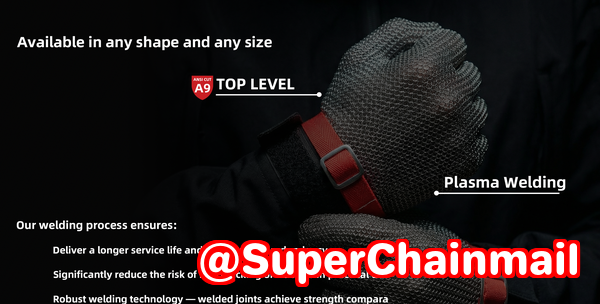
Welded Rings: These are rings that have been fused together at the seam, creating a solid, strong connection. Welded rings are more durable, meaning the chainmail won’t easily fall apart under stress, and they’re ideal for industrial or protective use.
-
Open Rings: These rings are not welded and can be opened with a bit of force. Open rings may look fine initially, but over time, they can come apart, compromising the chainmail’s strength and safety.
When you’re inspecting a piece, look closely at each ring. If you can see a small seam or gap where the ends of the ring are joined, that’s likely an open ring. If there’s no visible break and the ring feels solid, it’s welded.
Pain Point #2: Understanding Stainless Steel Grades and Corrosion Resistance
The material of the chainmail is just as important as its ring construction. Not all stainless steel is made equal. If you’re planning to use your chainmail in a high-moisture environment (like food processing or in a damp industrial setting), corrosion resistance is key.
-
304 Stainless Steel: This is a general-purpose stainless steel that resists corrosion to some extent but may not hold up as well in harsher environments, such as food processing or maritime settings.
-
316 Stainless Steel: This is a higher-grade stainless steel that contains molybdenum, making it much more resistant to corrosion, especially in salty or acidic conditions. This is the preferred material for chainmail that will be exposed to water, oils, or other corrosive elements.
Aegimesh Chainmail, for example, uses high-quality stainless steel in both 304 and 316 grades, ensuring durability and strength in both dry and wet conditions. To check the material grade, look for a product description that specifically mentions the type of stainless steel used. If you’re not sure, ask the seller or manufacturer for confirmation.
Pain Point #3: Weak or Inconsistent Weaves
The weave of the chainmail is another crucial factor when determining its strength. Not all weaves are created equal, and some can be more prone to breaking under pressure. One of the most common weaves you’ll encounter is the European 4-in-1 pattern, where each ring is connected to four others. This creates a strong and durable weave that resists tearing and provides excellent protection.
If you’re inspecting a piece of chainmail, take a look at the weave pattern:
-
European 4-in-1: Offers high tensile strength and flexibility, making it great for protective and industrial uses.
-
Other Weaves (e.g., 6-in-1, 8-in-1): These may offer more strength in certain cases, but the 4-in-1 weave is the industry standard for good reasonit’s balanced and durable.
You can often tell the quality of the weave by how the rings sit together. If they’re neatly interlocked and aligned, that’s a good sign. If they seem misaligned or loose, that’s a red flag.
How to Inspect and Verify Chainmail Quality
Now that we’ve covered some common pain points, let’s talk about how to actually inspect chainmail to ensure you’re getting something that’s both safe and durable.
1. Perform a Simple Pull Test
The pull test is simple but effective. Hold a section of the chainmail and give it a firm pull. If the rings stay intact and the weave doesn’t loosen or stretch, you’re likely dealing with a high-quality piece. If it starts to pull apart or feel flimsy, the craftsmanship is lacking.
2. Inspect for Signs of Corrosion
Especially with food handling or industrial chainmail, you’ll want to check for any signs of rust or corrosion. Stainless steel chainmail should not rust if it’s properly maintained, but poor-quality products might show signs of oxidation. A quick visual inspection or feel test should helprust will appear as a reddish-brown color or flaky material.
3. Check Ring Diameters and Wire Thickness
Ring diameter and wire thickness both play a role in the overall strength of the chainmail. Generally speaking, thicker wire and smaller diameter rings offer better protection. For industrial or food-handling applications, choose rings with a smaller diameter for greater cut resistance. Aegimesh, for example, offers chainmail with optimal ring diameters and wire thicknesses for different uses.
The Benefits of Proper Chainmail Inspection
By following these inspection tips, you’ll:
-
Avoid unsafe chainmail that could break or fail under pressure, especially in industrial or food-processing environments.
-
Ensure your decorative or cosplay chainmail holds up for years without falling apart.
-
Save money by identifying low-quality products before making a purchase, preventing wasteful spending.
Conclusion: Your Path to High-Quality Chainmail
When you know what to look for, buying chainmail becomes a lot easier. Whether you’re using it for protection, display, or as part of a costume, following these inspection tips will help you make sure your chainmail is both durable and safe.
I highly recommend following these steps when inspecting any chainmail purchase. It will ensure you’re getting a product that meets the highest standards for safety and durability. Want to dive deeper into how to evaluate chainmail before buying? Check out our detailed chainmail inspection guide.
FAQs
-
How can I tell if a chainmail ring is welded or open?
-
Look for a small seam where the ends of the ring meet. Welded rings will appear seamless, while open rings will have a visible gap.
-
-
Which stainless steel grade is best for long-lasting chainmail?
-
For maximum durability and corrosion resistance, 316 stainless steel is ideal, especially for industrial or food-handling use.
-
-
How do I inspect the weave pattern for strength?
-
Check that the rings are tightly woven together in a consistent pattern, like the European 4-in-1 weave, for maximum strength and flexibility.
-
-
What are the signs of low-quality or unsafe chainmail?
-
Look for loose rings, visible gaps, signs of rust, or weak/weird patterns in the weave. These are indicators that the chainmail might not offer the protection or durability you need.
-
-
Can decorative chainmail be used for protective purposes?
-
Decorative chainmail may not be strong enough for industrial use. It’s better for cosplay or display, but if you need protection, always choose high-quality, welded, and well-crafted chainmail.
-
-
How do I choose the right chainmail for industrial vs cosplay use?
-
For industrial use, choose chainmail made from high-quality stainless steel (316 grade) with a European 4-in-1 weave and welded rings. For cosplay, you can focus more on aesthetics but still ensure the rings are well-made.
-
Tags or Keywords
chainmail quality, welded rings, stainless steel chainmail, cut-resistant chainmail, chainmail inspection, European 4-in-1 weave