The Future of Protective Gear Ring Mesh in Mesh Boning Aprons
When it comes to selecting protective gear, particularly chainmail, it’s easy to feel overwhelmed by all the choices out there. As a professional in the industrial sector or a collector of unique historical pieces, I’ve faced this dilemma myselfhow do you know if the chainmail you’re considering is truly high-quality, durable, and safe? It’s crucial to make the right choice, especially when it comes to safety equipment like mesh boning aprons. After all, no one wants to buy a product that won’t provide the protection they need or one that could break down prematurely.
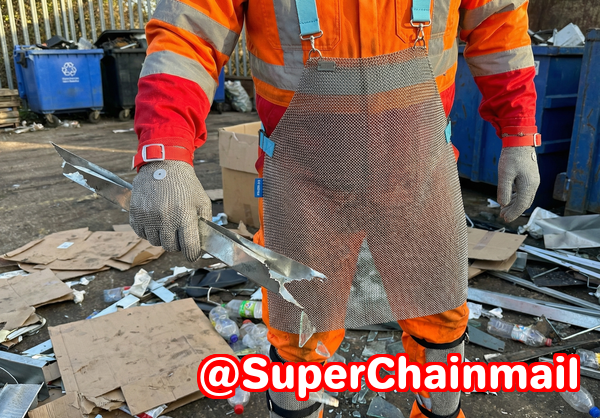
This guide is here to help. If you’re looking to invest in chainmail for safety, durability, or even decorative use, you need to be armed with the knowledge to identify top-notch products that won’t fail when you need them most. Let’s dive into how to distinguish high-quality chainmail from lower-end alternatives and how Aegimesh Chainmail can help you make an informed purchase.
Why Chainmail Quality Matters
When buying chainmail, whether for cut-resistant protection in industrial settings, cosplay, or historical reenactments, understanding the quality of the material is paramount. Low-quality chainmail can have significant safety risks, such as breaking or fraying under pressure. This is especially true for industrial use, where high-performance materials are required to withstand heavy wear and tear.
Aegimesh Chainmail offers a detailed guide to help you evaluate chainmail products, ensuring you’re not just getting a decorative piece but something that serves its intended purpose reliably. In this post, we’ll walk through practical tips for inspecting chainmail, highlighting the factors that affect quality and longevity.
Common Pain Points When Evaluating Chainmail
1. Welded vs. Open Rings: The Basics of Strength
One of the most important aspects of chainmail quality is whether the rings are welded or open. While open rings are often used in cheaper, decorative pieces, welded rings are far superior in terms of durability and safety. Open rings can loosen over time, causing the chainmail to lose its effectiveness, especially under stress.
Solution:
When inspecting chainmail, gently try pulling the rings apart. If they open easily, they’re likely open rings. High-quality chainmail, like Aegimesh’s offerings, uses welded rings that remain tightly sealed for improved durability.
2. Stainless Steel Grades: Choosing the Right Material
Not all stainless steel is the same. Chainmail made from 304-grade stainless steel, for example, is resistant to corrosion but not as durable as 316-grade stainless steel, which is more resistant to harsh environmental conditions.
Solution:
Always check the material used in the chainmail. If you’re purchasing for industrial use, it’s advisable to go with 316-grade stainless steel, which offers better corrosion resistance and overall strength. For cosplay or decorative pieces, 304 may suffice, but it won’t perform as well in tougher conditions.
3. Inconsistent Weaves: Weakness in Structure
Another common problem is inconsistent weave patterns. Chainmail weaves like the European 4-in-1 pattern are ideal for strength, as the rings interlock tightly, providing a flexible yet sturdy structure. Weaves that are too loose or irregular can lead to gaps, reducing the protective quality of the chainmail.
Solution:
Inspect the weave pattern carefully. A well-made European 4-in-1 weave will look even and uniform across the entire piece. It should feel dense and not have loose gaps between the rings.
Practical Tips for Evaluating Chainmail
Now that you know the potential pain points, let’s look at how you can perform a simple inspection to ensure you’re getting a top-quality product.
1. Checking Material Type: 304 vs. 316 Stainless Steel
-
304 Stainless Steel: Often used for decorative or light-duty applications, 304 is resistant to rust but not as strong as 316.
-
316 Stainless Steel: Ideal for industrial applications due to its enhanced corrosion resistance and durability, making it the best choice for protective wear.
2. Inspecting Ring Welding
-
Look for rings that have been welded shut. Press your fingers around the joints of the ringsif you feel a smooth connection, it’s welded. If the rings feel rough or there’s any gap, it may be an open ring.
3. Wire Thickness and Inner Diameter
-
The thickness of the wire used in chainmail plays a huge role in its overall strength. Thicker wire means better protection, especially in high-risk environments.
-
The inner diameter of the rings should be measured to ensure they fit together well and do not create weak spots.
4. Evaluating Weave Patterns
-
The weave pattern is another critical factor in assessing chainmail quality. The European 4-in-1 pattern, for example, is highly regarded for its strength and durability.
-
Check for consistency in the interlocking rings. A well-made chainmail piece will have a tight, uniform pattern that offers optimal protection.
5. Performing the Pull Test
-
A quick pull test can reveal how well the chainmail holds up under pressure. Gently pull on the rings or weave at various points. If the material shows signs of breaking or fraying, it’s a red flag.
6. Signs of Corrosion or Poor Craftsmanship
-
Examine the surface of the chainmail. Any rust, discoloration, or brittle rings indicate that the product is of poor quality or may have been exposed to moisture or harsh conditions.
The Importance of Correct Chainmail for Different Uses
Whether you’re in the industrial sector, a cosplay enthusiast, or a collector, knowing what chainmail is right for you is vital. Here’s how to choose the best chainmail for your needs:
1. Industrial Use:
For industries that require cut-resistant gear (e.g., food processing, construction), chainmail needs to be durable and able to withstand frequent wear. Look for 316-grade stainless steel with welded rings and a tight European 4-in-1 weave.
2. Cosplay & Historical Replicas:
For cosplay or historical reenactments, aesthetic considerations may take precedence over durability. While 304 stainless steel may be appropriate for these purposes, it’s essential to inspect the weave and rings to ensure they are made well.
3. Collectors:
Collectors of chainmail should focus on the craftsmanship and historical accuracy of the pieces. Look for details like the correct material, weave pattern, and overall condition of the chainmail.
Conclusion: Ensure High-Quality Chainmail Every Time
With the right knowledge, you can easily spot low-quality chainmail and avoid purchasing products that won’t live up to your expectations. By checking the material, inspecting the welds, evaluating wire thickness and ring diameter, and looking for consistent weaves, you can ensure you’re getting a product that is durable, safe, and reliable.
I highly recommend following these steps to ensure any chainmail purchase meets safety and durability standards. Whether you’re buying for industrial use, cosplay, or as a collectible, quality matters. If you’re unsure where to start, check out our detailed chainmail inspection guide to help you make the right decision every time.
FAQ
1. How can I tell if a chainmail ring is welded or open?
Inspect the ring closely. If it’s welded, you should feel a smooth, continuous surface around the joint. Open rings will show visible gaps.
2. Which stainless steel grade is best for long-lasting chainmail?
316-grade stainless steel is the best choice for durability, especially in industrial and outdoor applications, as it resists corrosion and wear.
3. How do I inspect the weave pattern for strength?
Check for uniformity in the weave. The European 4-in-1 pattern should be tight and consistent, with no gaps between the rings.
4. What are the signs of low-quality or unsafe chainmail?
Signs include rust, inconsistent rings, loose or open rings, and irregular weave patterns.
5. Can decorative chainmail be used for protective purposes?
Decorative chainmail is generally not recommended for protective uses, as it may not be as durable or well-constructed as industrial-grade chainmail.
6. How do I choose the right chainmail for industrial vs. cosplay use?
For industrial use, prioritize 316 stainless steel with welded rings and a tight weave. For cosplay, 304 stainless steel may suffice, but ensure the weave is still consistent and well-made.
7. Can I perform my own tests to check chainmail quality?
Yes! Performing a simple pull test, checking the welds, and inspecting the weave are all easy ways to evaluate chainmail quality.