The Science Behind Cut-Resistant Stainless Steel Chainmail
When purchasing chainmail for protection, display, or a cosplay project, it can be difficult to determine which products are truly high-quality and which are simply low-cost imitations. The reality is that chainmail can vary widely in terms of material, durability, and overall safety. Whether you’re a buyer looking for the perfect industrial safety gear, a collector searching for a rare piece, or a cosplayer eager to bring a medieval warrior to life, understanding the science behind chainmail is essential for making the right decision. So, how do you ensure you’re investing in a product that meets your needs without compromising on quality?
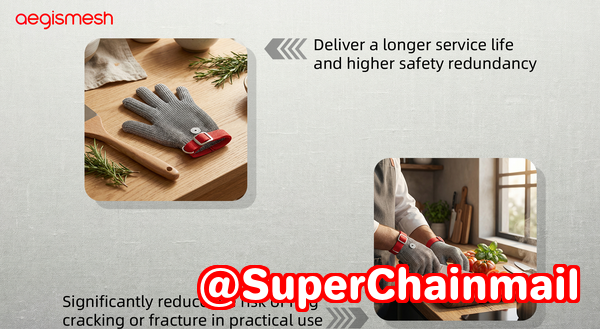
In this guide, I’ll walk you through the essential factors you need to consider when evaluating stainless steel chainmail. By the end, you’ll be well-equipped to confidently assess the chainmail you’re looking at, whether it’s for industrial use, a costume, or a collectible piece.
Common Issues When Evaluating Chainmail
I’ve spoken with many buyers, and time and time again, the same concerns come up. Here are a few common problems people face when trying to evaluate chainmail quality:
-
Welded Rings vs. Open Rings: Not all chainmail is created equal. Many cheaper chainmail pieces use open rings instead of welded ones, which significantly affects durability and safety.
-
Stainless Steel Grade Confusion: With different types of stainless steel available, it’s easy to get lost in the numbers and letters. Most buyers don’t realize the importance of selecting the correct grade, which directly impacts the chainmail’s cut-resistance, corrosion resistance, and overall strength.
-
Inconsistent Weaves: Weave patterns like the popular European 4-in-1 are essential for strength, but not all weaves are created equal. A sloppy or inconsistent weave can make the chainmail weak, compromising its effectiveness in protecting against cuts.
Fortunately, these issues can be easily addressed if you know what to look for. Let’s dive into the steps you can take to ensure the chainmail you purchase is safe, durable, and high-quality.
How to Inspect Chainmail for Quality
Step 1: Check the Material Type
The first step in evaluating any chainmail is determining the type of material used. The two most common grades of stainless steel in chainmail production are 304 and 316.
-
304 Stainless Steel: This is the most commonly used grade and is generally affordable, corrosion-resistant, and durable enough for most uses.
-
316 Stainless Steel: Often referred to as “marine grade,” 316 offers superior corrosion resistance, making it ideal for harsh environments such as food processing or coastal areas where salt exposure is a concern. If you’re buying chainmail for industrial use or food handling, always go for 316 stainless steel.
Tip: Always ask the seller about the grade of steel used in their chainmail. Low-quality chainmail will often not mention this detail at all, which is a red flag.
Step 2: Inspect the Rings Welded vs. Open
Welded rings are far superior to open rings in terms of durability and strength. Open rings, which can be separated over time, are a hallmark of cheaper, decorative chainmail. In contrast, welded rings are fused at the seam, creating a much stronger and safer product. For protection, you should always look for welded rings in your chainmail.
Here’s how you can check:
-
Pull Test: Gently pull the rings apart. If the rings can be pulled apart without a lot of effort, the chainmail likely uses open rings.
-
Visual Inspection: Look closely at the edges of the rings. Welded rings will have a visible seam where they were fused together, while open rings will have a clear gap where the ring is not closed.
Step 3: Evaluate the Wire Thickness and Ring Diameter
The thickness of the wire used in the rings, along with the diameter of the rings themselves, plays a critical role in the strength of the chainmail. If the wire is too thin or the rings too small, the chainmail will not be as strong or resistant to cutting. Conversely, too thick a wire or too large a ring can lead to inflexibility.
-
Wire Thickness: Standard chainmail uses wire that is around 16-18 gauge (thickness), though industrial use chainmail may require thicker wires (10-12 gauge).
-
Ring Diameter: A standard European 4-in-1 weave typically uses rings with an inner diameter of around 7-8mm for 16 gauge wire. For larger gauges, the inner diameter needs to increase proportionally.
Tip: Use a caliper or measuring tape to check the wire thickness and ring diameter if the seller doesn’t provide specifications.
Step 4: Assess the Weave Pattern
The European 4-in-1 weave is the gold standard for cut-resistant chainmail. This particular weave is strong and durable, providing solid protection against cuts. However, not all weaves are made equally. Look for consistency in the pattern, as uneven weaves can compromise strength.
Quick Check: Look at the weave pattern carefully. A sloppy or inconsistent weave might mean that the chainmail was poorly crafted or is a cheaper version made for decorative purposes.
Why Proper Inspection is Crucial
Let’s take a step back and think about why this process is important. Proper inspection of chainmail doesn’t just ensure you’re getting a good dealit can prevent accidents and costly mistakes.
-
Safety: Poor-quality chainmail can fail to protect you in high-risk situations, like when working in a food processing facility or engaging in industrial tasks that require cut resistance.
-
Cost Savings: By inspecting chainmail before you purchase it, you avoid wasting money on subpar products that won’t last or perform as expected.
-
Durability: Properly inspecting for welds, material quality, and consistency in the weave means the chainmail will stand the test of time, whether you’re using it for cosplay, industrial safety, or historical reenactments.
Conclusion: The Smart Way to Buy Chainmail
When it comes to purchasing chainmail, I highly recommend following these steps to ensure the product meets your safety and durability standards. It’s easy to get overwhelmed by the options available, but with a little knowledge, you can avoid poor-quality purchases and make a smart investment. Whether you’re buying for protection, display, or cosplay, understanding what makes chainmail high-quality will save you time, money, and frustration.
If you’re still unsure, don’t hesitate to consult with a knowledgeable seller, like Aegimesh. Our comprehensive guide and inspection tool can help you identify high-quality chainmail that meets all your needs.
For more information on inspecting chainmail and ensuring your purchase is safe and durable, check out our detailed chainmail inspection guide.
Frequently Asked Questions
-
How can I tell if a chainmail ring is welded or open?
-
Perform a gentle pull test or inspect the ring edges for a visible seam. Welded rings will have a clear weld seam, while open rings will have a noticeable gap.
-
-
Which stainless steel grade is best for long-lasting chainmail?
-
For most applications, 304 stainless steel is sufficient. However, for harsher environments, such as marine or food processing, 316 stainless steel is the better choice due to its superior corrosion resistance.
-
-
How do I inspect the weave pattern for strength?
-
Look for a consistent, tight pattern. The European 4-in-1 weave is the strongest, providing the best protection against cuts.
-
-
What are the signs of low-quality or unsafe chainmail?
-
Look for open rings, inconsistent weaves, thin wire, or poor-quality steel. These signs indicate that the chainmail may not offer the protection or durability you need.
-
-
Can decorative chainmail be used for protective purposes?
-
Decorative chainmail is usually made with open rings and thinner wire, making it unsuitable for protection. Always check the material and construction if you need functional chainmail.
-
-
How do I choose the right chainmail for industrial vs cosplay use?
-
For industrial use, always opt for welded rings, thicker wire, and 316 stainless steel. For cosplay, 304 stainless steel and lighter, more flexible chainmail can be a good choice.
-
-
Is there any way to tell if chainmail will rust over time?
-
Poor-quality chainmail, especially with low-grade steel or insufficient welding, is more likely to rust. Always ask about corrosion resistance and consider 316 stainless steel for better protection.
-
Tags/Keywords
chainmail quality, welded rings, stainless steel chainmail, cut-resistant chainmail, chainmail inspection, European 4-in-1 weave, industrial chainmail, cosplay chainmail, historical replica chainmail, steel metal durability