Durable and Stylish Ring Mesh Mesh Boning Aprons
When it comes to purchasing chainmail for protection, cosplay, or even historical reenactments, it can often feel like a game of trial and error. One minute you’re excited about your new chainmail apron, and the next, you’re questioning its quality after discovering that it’s not nearly as durable or safe as you’d hoped. In a world flooded with options, how can you be sure you’re getting your money’s worth?
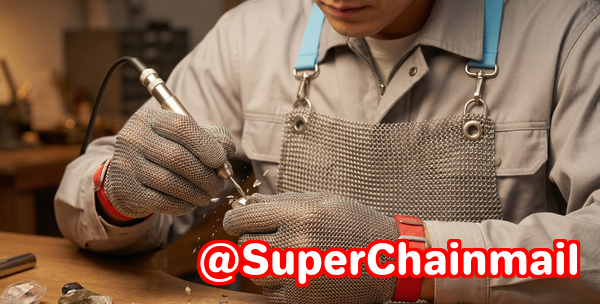
I’ve had my fair share of frustrating moments trying to distinguish high-quality chainmail from low-quality imitations, and I know I’m not alone in this. Whether you’re using chainmail for industrial cut protection, food processing, or a historical costume, there’s a real risk of buying something that won’t stand up to the task. That’s where understanding how to evaluate chainmail products comes in handy, and today, I’m going to walk you through everything you need to know.
How to Evaluate Chainmail Quality: Avoiding Common Pitfalls
For anyone purchasing chainmail, especially if it’s for industrial purposes or safety, it’s essential to have the right inspection methods at hand. Unfortunately, it’s not always as straightforward as simply picking up the first product that looks nice. Chainmail can vary significantly in terms of strength, durability, and construction quality. Here are the most common pain points buyers face and how you can avoid them.
Pain Point #1: Difficulty Identifying Welded Rings vs. Open Rings
One of the first things to look for when evaluating chainmail quality is the ring construction. Many products on the market claim to be “chainmail,” but they’re actually using open rings instead of welded rings. This might sound like a minor detail, but it’s crucial for both durability and safety.
Why does it matter?
Welded rings are much stronger because they’re fused together, making them ideal for protective use in industries where safety is a concern. Open rings, on the other hand, are far weaker and can easily be pulled apart under stress, which makes them unsuitable for protective gear.
How to Identify Welded vs. Open Rings:
-
Inspect the edges: Welded rings have smooth, uniform edges where the metal is fused together. Open rings may have a visible gap.
-
Try the pull test: Gently pull on a ring. If it opens or feels loose, you’re dealing with open rings. Welded rings should remain intact.
Pain Point #2: Uncertainty About Stainless Steel Grades and Corrosion Resistance
When you’re buying chainmail, particularly for industrial use or food processing, the grade of stainless steel used in the product matters. The two most common grades you’ll come across are 304 and 316 stainless steel, each with different properties.
Why does it matter?
-
304 Stainless Steel is the most common and offers great durability in dry conditions, but it’s not the best at resisting corrosion in wet or acidic environments.
-
316 Stainless Steel, on the other hand, contains molybdenum, making it far more resistant to rust, corrosion, and damage from chemicals, making it the superior choice for food processing or any application that involves moisture.
How to choose the right grade:
-
For industrial and food-related uses, 316 stainless steel is generally the best choice.
-
For decorative or cosplay chainmail, 304 might be enough, but always check the product description.
Pain Point #3: Weak or Inconsistent Weaves That Compromise Durability
Another common issue with chainmail is the type of weave used. You’ve probably heard of the European 4-in-1 weave, which is known for its strength and durability. But not all chainmail uses this pattern, and some may rely on looser, weaker weaves that could break or stretch too easily.
Why does it matter?
The European 4-in-1 weave (where each ring passes through four others) creates a tight, resilient structure. Weaker weaves like 6-in-1 or 8-in-1 may look nice, but they won’t provide the same level of protection or durability.
How to inspect the weave pattern:
-
Check for consistency: Each row should be evenly spaced and uniform in its pattern.
-
Test for flexibility: A well-made European 4-in-1 weave should be flexible but strong. If the chainmail feels overly stiff or flimsy, it may not be the best quality.
How Aegimesh Chainmail Solves These Problems
To make the process of evaluating chainmail easier, Aegimesh Chainmail offers a simple guide and inspection tool that will help you determine the true quality of any product you’re considering. With clear, step-by-step instructions, you’ll learn how to:
-
Check the material type, distinguishing between 304 and 316 stainless steel.
-
Inspect the welding of the rings, ensuring you’re buying a durable product.
-
Evaluate wire thickness and ring diameter for strength and longevity.
-
Assess the weave pattern, making sure it’s tight and sturdy.
Aegimesh’s products provide clear examples of high-quality chainmail, so you can feel confident in your purchase, whether you’re buying for protection, cosplay, or a historical project.
Benefits of Proper Chainmail Inspection:
-
Safety First: By ensuring that your chainmail is made of quality materials and construction, you’ll avoid unsafe, inferior products that could fail when you need them most.
-
Durability: Whether you’re using chainmail for industrial purposes or cosplay, investing in quality will save you money in the long run by preventing frequent replacements.
-
Peace of Mind: Properly inspecting your chainmail means you’ll know exactly what you’re getting, giving you confidence in your purchase.
Practical Tips for Evaluating Chainmail
Now that you know what to look for, here are a few easy-to-follow tips for inspecting chainmail products:
-
Perform a simple pull test: Gently tug on individual rings to check for welds. If a ring pulls apart, it’s not welded.
-
Look for signs of corrosion: Especially if the chainmail is intended for food processing, check for rust or discoloration on the metal.
-
Assess the flexibility of the weave: A good chainmail weave should be firm but not rigid. If the rings are too stiff, the chainmail may not hold up under use.
-
Make sure the wire thickness is consistent: Thicker wire generally means more durability, but make sure the rings are not too thick to interfere with flexibility.
Conclusion: Make Informed Chainmail Purchases
When it comes to buying chainmail, whether for protective gear, cosplay, or a historical project, understanding how to inspect its quality is crucial. By following these simple steps to check the material, welding, and weave, you can ensure that your chainmail meets your expectations for both safety and durability. I highly recommend following these steps to ensure any chainmail purchase meets safety and durability standards.
Ready to shop for high-quality chainmail?
Learn more about identifying top-tier chainmail products here. Don’t settle for less; make an informed choice today!
Frequently Asked Questions
-
How can I tell if a chainmail ring is welded or open?
-
Inspect the edges of the rings. Welded rings have smooth, uniform edges where the metal is fused, while open rings will have a visible gap.
-
-
Which stainless steel grade is best for long-lasting chainmail?
-
For industrial or food-processing use, 316 stainless steel is ideal because of its corrosion resistance. 304 stainless steel is fine for decorative or cosplay use.
-
-
How do I inspect the weave pattern for strength?
-
Look for the European 4-in-1 weave, which offers strength and durability. The pattern should be tight and consistent, with no gaps between rings.
-
-
What are the signs of low-quality or unsafe chainmail?
-
Look for poorly welded rings, uneven weaves, or signs of corrosion. Weak ring construction and inconsistent materials can compromise safety and durability.
-
-
Can decorative chainmail be used for protective purposes?
-
Not all decorative chainmail is suitable for protection. Ensure the chainmail uses welded rings, durable stainless steel, and a strong weave pattern like European 4-in-1.
-
-
How do I choose the right chainmail for industrial vs cosplay use?
-
For industrial uses, choose chainmail made of 316 stainless steel, with welded rings and a durable weave. For cosplay, 304 stainless steel with a decorative weave may suffice.
-
-
How can I ensure my chainmail purchase is safe and durable?
-
Inspect the material, ring welding, wire thickness, and weave pattern. Following the steps outlined in this guide will help you make the best choice.
-
Keywords: chainmail quality, welded rings, stainless steel chainmail, cut-resistant chainmail, chainmail inspection, European 4-in-1 weave