Ring Mesh and Chainmail: Which One Is More Fire-Resistant?
When you’re in the market for protective gear, especially something like chainmail, one of the last things you might think about is fire resistance. But what if you’re working in an environment where exposure to high temperatures is a regular concern? Whether you’re a cosplayer, collector, or industrial user, it’s crucial to understand the different materials available and how they perform under fire.
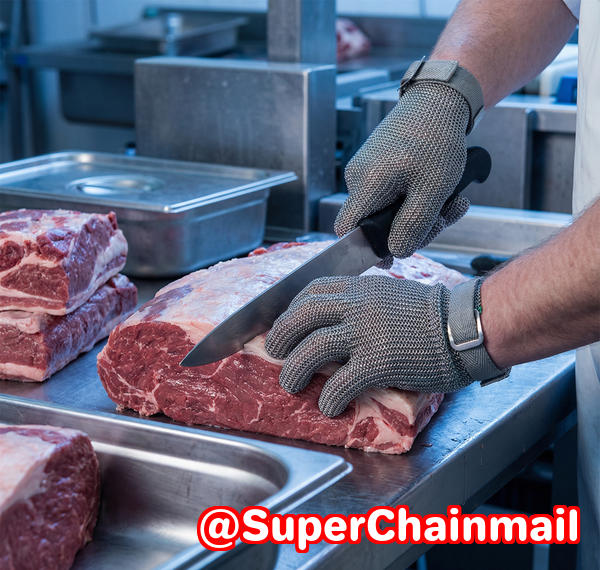
I’ve been in situations where I was tasked with sourcing high-quality chainmail for industrial purposes, and I know that a lot of people struggle with distinguishing between different types of chainmail, not just in terms of durability but also resistance to heat. So, how do you figure out if the chainmail or ring mesh you’re considering can withstand fire hazards? In this post, I’ll walk you through the key things to look for when comparing chainmail and ring mesh, focusing on fire resistance and other critical factors. Plus, I’ll share tips on identifying high-quality chainmail for all sorts of uses, from cosplay to industrial safety.
Understanding Chainmail vs. Ring Mesh
Before diving into fire resistance, let’s start with a brief comparison between chainmail and ring mesh. These terms are often used interchangeably, but they are not quite the same.
Chainmail is a type of armor made by interlinking metal rings in a pattern, typically European 4-in-1, which is one of the most common and strongest weave types. Historically, it’s been used for protection in battle, but today it’s still used in various industries, cosplay, and even for historical reenactments.
Ring mesh, on the other hand, is a general term that refers to any mesh made from metal rings, but it’s often associated with wire mesh used in industrial applications. While ring mesh might look similar to chainmail, it’s typically made from thinner, less durable wire and is usually not intended for use as armor or personal protection.
So, which one is more fire-resistant? The answer is a bit nuanced. Both chainmail and ring mesh can be made from materials that are resistant to heat, but the specific properties of the metal rings and the weave pattern play a significant role in how well the material resists fire.
Materials Matter: Stainless Steel and Fire Resistance
Most high-quality chainmail is made from stainless steel, which is generally heat-resistant and durable. But not all stainless steel is created equal. The two most common types of stainless steel used in chainmail are 304 and 316 grades. Both have strong resistance to corrosion and heat, but 316 is generally more resistant to high temperatures and extreme environments than 304.
-
304 Stainless Steel: This is the most common grade of stainless steel used in chainmail. It’s durable, corrosion-resistant, and can handle moderate heat. However, it’s not the best choice for extreme temperatures.
-
316 Stainless Steel: This grade contains molybdenum, which makes it better at resisting corrosion, particularly in high-salinity environments. It also performs better at higher temperatures, making it more suitable for environments where fire resistance is a concern.
When evaluating chainmail for fire resistance, you’ll want to look for products made from 316 stainless steel if you anticipate exposure to high heat or fire.
Inspecting Chainmail for Fire Resistance
Now, let’s break down the steps you can take to ensure that the chainmail you’re considering is not only durable but also capable of handling heat.
Step 1: Material Type Is It Stainless Steel?
The first thing you should check is the material of the chainmail. As I mentioned earlier, 304 stainless steel and 316 stainless steel are the two most common grades used in high-quality chainmail. But don’t take anyone’s word for it always ask for specifics about the metal used. If you’re shopping online, be sure to check the product description.
Tip: Look for sellers who provide information about the grade of stainless steel used. If it’s 304, you’ll get good durability, but for high-heat environments, 316 stainless steel is the better choice.
Step 2: Welding Are the Rings Welded?
One of the most important features to inspect in chainmail is the welding of the rings. Welded rings are far more durable than open rings, and they provide better protection. When assessing fire resistance, welded rings also tend to maintain their integrity under heat better than non-welded rings, which can separate under stress.
Tip: Gently pull a few rings apart. If they come apart easily, it’s a sign that the rings are not welded and the chainmail may not hold up in extreme conditions.
Step 3: Ring Diameter and Thickness
The thickness of the wire used in the rings, as well as the diameter of the rings themselves, can impact how well the chainmail handles heat. Thicker rings tend to offer more protection overall, and a larger diameter can help distribute the heat more effectively.
Tip: Look for chainmail with thicker wire and a smaller inner diameter. This will not only improve durability but also increase the fire resistance of the material.
Step 4: Weave Pattern How Strong Is It?
Weave patterns are another critical factor in the overall strength and performance of chainmail. For example, the European 4-in-1 pattern is widely considered to be one of the strongest and most durable weaves for chainmail. This weave pattern ensures that the rings are tightly interlocked, which helps prevent them from separating under pressure or heat.
Tip: European 4-in-1 weave is ideal for high-quality chainmail. If you’re looking for fire-resistant chainmail, make sure it uses a solid, tightly-woven pattern.
Why Fire Resistance Is Important in Chainmail
Fire resistance is especially important in industries where workers are exposed to heat, like in metalworking, food processing, or firefighting. In these environments, using low-quality chainmail or mesh that isn’t designed for heat protection could lead to serious accidents. On the other hand, high-quality, heat-resistant chainmail will protect you from burns and reduce the risk of injury.
But it’s not just for industrial users cosplayers and collectors should also consider fire resistance when purchasing chainmail for display or costume purposes. Even if you don’t anticipate direct exposure to heat, wearing chainmail in a hot environment (such as a convention) can still pose a risk if the material isn’t properly designed for temperature regulation.
Conclusion: How to Choose the Right Chainmail
When purchasing chainmail, whether for safety, cosplay, or collection, it’s important to make sure you’re getting a high-quality product that will perform well in all conditions, including exposure to heat.
Here’s a quick summary of the steps I recommend:
-
Look for 316 stainless steel: It offers better fire resistance than 304 stainless steel.
-
Check for welded rings: These provide better durability and integrity under heat.
-
Inspect the weave: A European 4-in-1 pattern is your best bet for strength and fire resistance.
-
Test the wire thickness and ring diameter: Thicker wire and smaller ring diameters offer better overall protection.
By following these steps, you can ensure that your chainmail purchase meets the safety, durability, and fire resistance standards required for your specific use.
Want to learn more about identifying high-quality chainmail products? Check out our detailed chainmail inspection guide today.
FAQs
How can I tell if a chainmail ring is welded or open?
Look for visible signs of welding at the ends of the rings. If the rings are open and can be pulled apart easily, they are not welded.
Which stainless steel grade is best for long-lasting chainmail?
316 stainless steel is the best option for fire resistance and durability, especially in high-heat environments.
How do I inspect the weave pattern for strength?
Check that the weave is tight and the rings are interlocked in a solid pattern, like European 4-in-1. This ensures maximum strength.
What are the signs of low-quality or unsafe chainmail?
Look for signs of rust, loose rings, or inconsistent welding. Poor craftsmanship may also include uneven wire thickness or gaps between rings.
Can decorative chainmail be used for protective purposes?
While decorative chainmail may look appealing, it is often not designed for protection. Be sure to choose high-quality chainmail if you need it for safety purposes.
How do I choose the right chainmail for industrial vs cosplay use?
For industrial use, prioritize fire resistance, durability, and strength (look for welded rings and 316 stainless steel). For cosplay, the material should still be durable, but comfort and appearance are more important than fire resistance.
Keywords: chainmail quality, welded rings, stainless steel chainmail, cut-resistant chainmail, chainmail inspection, European 4-in-1 weave