The Role of Chainmail in Different World Cultures
Chainmail, with its intricate design and rich history, is a fascinating example of human ingenuity. Used across various cultures and eras, this protective armor has played a pivotal role in both warfare and daily life. However, as chainmail continues to evolve and make its way into modern industries, cosplay, and collectibles, it is essential to understand what makes a high-quality piece of chainmail. In this post, I will walk you through how to identify top-tier chainmail, ensuring that you purchase only the best for safety, durability, and aesthetic appeal.
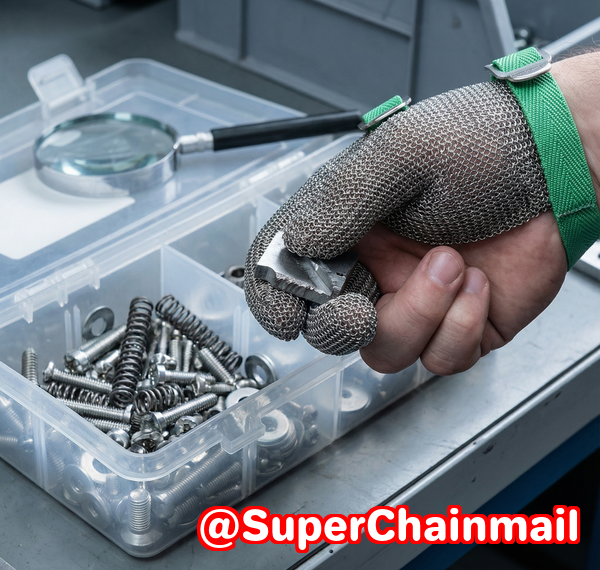
The Chainmail Dilemma: Is It the Real Deal?
If you’re like many of my readers, you may have experienced the challenge of purchasing chainmail products. Whether you’re looking for industrial cut-resistant gloves, cosplay armor, or even a historical piece, it’s hard to know for sure if you’re investing in something of quality. Imagine buying a set of chainmail gloves for your job in a meatpacking plant only to find they offer minimal protection because they were poorly constructed with cheap materials. Or perhaps you’ve ordered a historical replica, only to receive a flimsy imitation that falls apart after a few uses.
This frustration is all too common. With so many chainmail products on the market, it’s not always easy to distinguish between high-quality, durable chainmail and low-quality imitations. But fear notthis guide will help you navigate the complexities of chainmail inspection so that you can make informed, confident purchases.
Why Chainmail Quality Matters
Chainmail has been around for centuries, primarily used in warfare and personal protection. Today, it’s still a staple in industries like food processing, where workers need cut-resistant gear, as well as in the world of cosplay and historical reenactments. But with such diverse uses, the quality of the chainmail becomes a significant factor, whether for safety, historical accuracy, or sheer durability.
When evaluating chainmail, you’re looking for several things that ensure its reliability, strength, and ability to perform as expected. A low-quality product can compromise safety and longevity, making it essential to know what to look for. Below are some common pain points buyers face when purchasing chainmail and how to avoid them.
Common Pain Points When Evaluating Chainmail
-
Welded vs. Open Rings
One of the first things you’ll encounter when examining chainmail is the type of rings used to create the links. Chainmail can be made using either welded rings or open rings. The distinction is crucial because welded rings provide greater strength and durability, especially when it comes to cut-resistant or industrial applications.
-
Welded Rings: These are rings that have been fused shut, offering a tight seal that adds strength and ensures the links won’t slip apart under pressure. They are essential for protective gear like gloves or aprons.
-
Open Rings: These are rings that remain open, which means they’re easier to produce but weaker than welded rings. They are often found in decorative pieces but are not suitable for safety gear.
-
-
Stainless Steel Grades
Stainless steel is the material of choice for most chainmail. However, not all stainless steel is created equal. When evaluating the quality of your chainmail, it’s crucial to know whether the product uses 304 or 316 stainless steel.
-
304 Stainless Steel: Commonly used in decorative chainmail, it offers decent resistance to corrosion but is not ideal for heavy-duty use.
-
316 Stainless Steel: Known for its superior corrosion resistance, this grade is often used in industrial applications, especially in environments exposed to harsh chemicals or extreme conditions.
-
-
Weave Patterns
Chainmail weaves come in various patterns, with European 4-in-1 being the most popular. The weave pattern directly impacts the strength and flexibility of the chainmail. The more intricate the weave, the stronger and more durable the chainmail will be. Understanding weave patterns is key to ensuring your chainmail performs as expected, whether it’s for protection or display.
How to Inspect Chainmail Quality: A Step-by-Step Guide
Now that we’ve covered the common pain points, it’s time to dive into how you can inspect chainmail like an expert. Below, I’ve broken down the key factors to look for during your inspection process.
1. Check the Material Type
Always start by confirming the type of steel used in the chainmail. If you’re investing in protective gear for industrial use or cosplay armor that needs to withstand wear and tear, 316 stainless steel is your best bet.
-
Tip: If you’re unsure, ask the seller for specifics about the material. A reputable manufacturer like Aegimesh will always disclose the grade of steel used.
2. Examine the Ring Welding
As mentioned earlier, welded rings are a hallmark of quality. Check the rings closely to ensure they are welded shut. If you see open gaps between the rings, the product is likely of low quality.
-
How to Check: Hold a ring between your fingers and gently pull on it. If the ring moves or opens, it’s likely an open ring, which is less durable.
3. Inspect Wire Thickness and Inner Diameter
The thickness of the wire and the inner diameter of the rings also play a significant role in the durability of the chainmail. Thicker wires and smaller inner diameters typically create a more robust weave.
-
How to Check: Measure the diameter of the rings and assess the wire thickness. If the rings are too thin, they might break under pressure or wear out quickly.
4. Evaluate the Weave Pattern
The European 4-in-1 weave is a popular choice for high-quality chainmail. To inspect the pattern, look closely at the arrangement of the rings. A high-quality weave will appear uniform and tight. Loose or inconsistent weaving can compromise the strength of the chainmail.
-
Tip: Gently tug on the weave to check for flexibility and strength. If the links easily shift or pull apart, this may indicate poor craftsmanship.
Why You Should Care About Chainmail Quality
You might be wondering, “Why does it matter so much whether my chainmail is high-quality or not?” Here are a few real-world reasons why chainmail quality is important:
-
Safety in Industrial Settings: For workers in environments where sharp tools or machinery are used, cut-resistant chainmail is a lifesaver. Low-quality chainmail can lead to severe injuries if it doesn’t provide proper protection.
-
Durability in Cosplay and Collecting: For cosplayers and collectors, the last thing you want is to purchase an item that looks great initially but falls apart after a few wears. High-quality chainmail will last longer and retain its visual appeal.
-
Saving Money: By identifying low-quality products before you buy, you can avoid wasting money on gear that won’t meet your needs. High-quality chainmail might cost more upfront, but it will save you in the long run by avoiding replacements.
Conclusion: Don’t Settle for Less Than the Best
When it comes to purchasing chainmail, whether for protective, historical, or decorative purposes, quality matters. By following the inspection tips I’ve sharedlooking for welded rings, checking stainless steel grade, inspecting weave patterns, and evaluating wire thicknessyou’ll be able to confidently identify high-quality products that will meet your needs.
I highly recommend following these steps to ensure any chainmail purchase meets safety and durability standards. Whether you’re buying for industrial use, cosplay, or collecting, taking the time to inspect your chainmail will guarantee that you get the best value for your money.
For more information on how to identify high-quality chainmail products, check out our detailed inspection guide today at Aegimesh.
FAQ
1. How can I tell if a chainmail ring is welded or open?
Look for a small seam where the two ends of the ring meet. If the seam is sealed, it’s a welded ring. If the ends are separated, it’s an open ring.
2. Which stainless steel grade is best for long-lasting chainmail?
316 stainless steel is the best choice for durability and corrosion resistance. It’s ideal for industrial, food processing, and outdoor use.
3. How do I inspect the weave pattern for strength?
Check for a consistent, tight weave with no loose rings. The European 4-in-1 pattern is a reliable choice for strength and flexibility.
4. What are the signs of low-quality or unsafe chainmail?
Look for irregularities in the rings, loose links, thin wire, and poor weaving. These are signs that the chainmail may not provide adequate protection.
5. Can decorative chainmail be used for protective purposes?
Generally, decorative chainmail made from open rings or thin wire is not suitable for protection. For safety, choose chainmail made from welded rings with thick wire.
6. How do I choose the right chainmail for industrial vs cosplay use?
For industrial use, prioritize chainmail made from 316 stainless steel, welded rings, and strong weaves. For cosplay, decorative chainmail with open rings may suffice, but always ensure the rings are securely attached.
Tags/Keywords:
chainmail quality, welded rings, stainless steel chainmail, cut-resistant chainmail, chainmail inspection, European 4-in-1 weave, steel metal chainmail durability