The Weight Issue with Chainmail: The Impact of Stainless Steel
When it comes to purchasing chainmail, whether for cosplay, protection, or display, one of the most common dilemmas people face is how to determine which products are genuinely high-quality. This decision is especially difficult for those who are new to the world of chainmail or need it for specific purposes, like industrial protection or food handling. It’s all too easy to get distracted by a shiny exterior or a good deal, only to end up with a product that doesn’t meet expectations in terms of durability or safety.
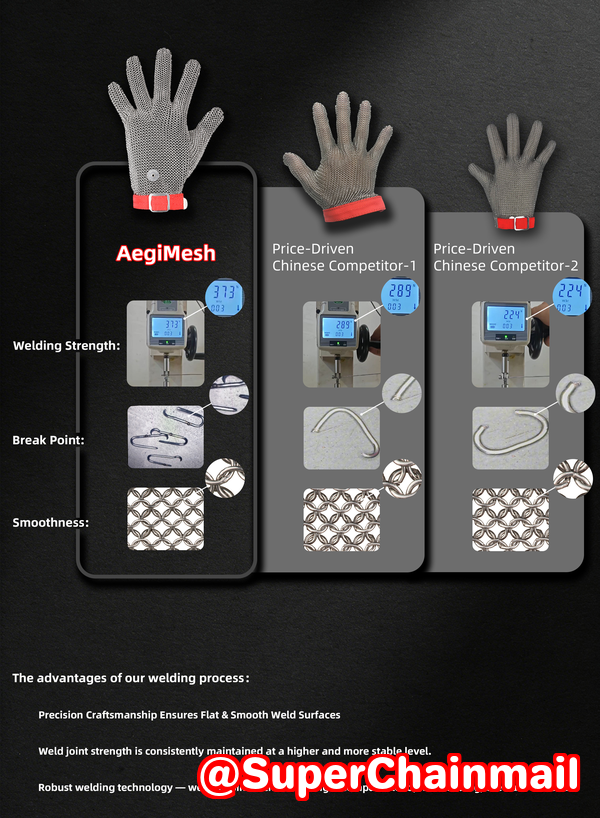
In this article, I’m going to break down how to evaluate chainmail to ensure that you’re investing in a durable, safe, and well-made product. I’ll focus on identifying high-quality stainless steel chainmail, offering practical tips on inspecting it, and making sure you’re getting exactly what you need for your specific use case.
Why Chainmail Quality Matters
If you’re shopping for chainmail to use in a demanding environmentlike an industrial setting or food processingquality is not just important, it’s critical. Poorly made chainmail can lead to injuries, poor performance, or even worse, a compromised product that fails in the most crucial moments. But even for casual buyers, like those seeking decorative or cosplay chainmail, durability still matters. Nobody wants their investment to fall apart after a few uses.
Aegimesh Chainmail offers a comprehensive guide to help you identify high-quality chainmail by inspecting the material, welding, and weave patterns. This is key to making sure you get a product that lasts and performs as expected.
Common Pain Points When Evaluating Chainmail
There are a few hurdles most buyers face when evaluating chainmail. Here are the biggest ones:
-
Welded Rings vs. Open Rings
One of the most common mistakes is not knowing the difference between welded rings and open rings. Welded rings are far more durable and offer better protection because they are stronger and won’t come apart. Open rings, on the other hand, are often used in lower-quality chainmail that may look good at first but can break apart easily.
-
Understanding Stainless Steel Grades
Not all stainless steel is created equal. You may see the terms 304 or 316 stainless steel, but do you know what they mean in terms of durability and corrosion resistance? If you’re buying chainmail for industrial or food-related use, the quality of the stainless steel is crucial to ensuring that the product holds up over time.
-
Weak or Inconsistent Weaves
Another red flag is when the chainmail weave itself is weak or inconsistent. If the rings aren’t woven properly, the whole structure can be compromised. Weaves like the European 4-in-1 are common for high-quality chainmail because they offer strength and durability.
How to Inspect and Verify Chainmail Quality
Now that we’ve covered some common pain points, let’s dive into how you can inspect chainmail like a pro to avoid these pitfalls.
1. Check the Material Type: 304 vs. 316 Stainless Steel
The first step is to determine what kind of stainless steel the chainmail is made from. The two most common grades are 304 and 316. Here’s what you need to know:
-
304 Stainless Steel: This is the most common grade and works well for general purposes. It’s a good option if you’re using chainmail for display or cosplay but not ideal for environments where corrosion is a concern (like food handling).
-
316 Stainless Steel: If you need chainmail for industrial or food-processing environments, 316 stainless steel is a must. It’s more resistant to corrosion, especially in salty or acidic conditions, making it perfect for harsher environments.
2. Inspect Ring Welding
The next step is to check if the rings are welded or open. The quality of the welding is a clear indicator of durability. Here’s how you can check:
-
Visual Inspection: Look closely at the rings. If the ends of the rings are sealed with a welded seam, then the chainmail is made with welded rings. This is a good sign of strength and durability.
-
The Pull Test: To confirm the strength of welded rings, you can gently tug on a section of the chainmail. If the rings hold firm and don’t come apart, you’re in the clear.
3. Check the Wire Thickness and Ring Diameter
To determine whether the chainmail is built to last, measure the wire thickness and the inner diameter of the rings:
-
Wire Thickness: Thicker wire means stronger, more durable chainmail. If the wire is too thin, it may look nice, but it will likely break or bend under stress.
-
Ring Diameter: The diameter of the rings should also be consistent. A larger diameter ring may not offer the same level of protection or may be more prone to shifting and breaking.
4. Evaluate the Weave Pattern
The way the rings are woven together plays a significant role in the strength and durability of the chainmail. The European 4-in-1 weave is one of the most common and strongest patterns. It provides excellent flexibility while maintaining strength.
-
Check for Consistency: Look at the pattern to ensure that all rings are properly interlocked. An inconsistent weave can compromise the entire structure, leading to weak points.
Why Proper Chainmail Inspection Matters
Now that you know what to look for, let’s talk about the real-world impact of these inspection methods. If you skip any of these steps, you could end up with chainmail that:
-
Is unsafe for industrial or food-related use: If the material isn’t strong enough or the rings aren’t welded, your chainmail may fail under pressure, which is unacceptable in workplaces where safety is a priority.
-
Won’t meet your expectations for cosplay or decorative purposes: Even if you’re buying chainmail for a costume or a collectible, you want it to hold up over time and look authentic. Low-quality chainmail may fall apart after a few uses or wear out quicker than you expect.
-
Wastes your money: By properly inspecting your chainmail before purchase, you can avoid buying something that looks great online but doesn’t hold up in practice. This saves you from wasting money on subpar products.
Practical Tips and Step-by-Step Guidance
Here are some quick tips for inspecting your chainmail:
-
Perform the Pull Test: Grab a section of the chainmail and give it a gentle tug. If the rings come apart, it’s a sign of low-quality craftsmanship.
-
Look for Corrosion: Stainless steel is resistant to corrosion, but it can still rust in some conditions. If you notice any rust or discoloration, it’s a sign that the material is low quality.
-
Check the Weave: Look closely at the weave. It should be consistent and tight, with no gaps or weak points.
-
Identify Appropriate Use: Not all chainmail is designed for the same purpose. Make sure you choose the right type for your needswhether that’s for industrial use, food handling, or cosplay.
Conclusion: Invest in Quality Chainmail
When it comes to chainmail, the investment you make today can save you a lot of time, money, and frustration in the long run. I highly recommend following the steps I’ve outlined to ensure any chainmail purchase meets your safety, durability, and quality standards. Whether you’re buying chainmail for industrial purposes or as part of a costume, understanding how to inspect it properly is key to avoiding low-quality products.
For more information on how to choose high-quality chainmail products, or to see our full inspection guide, check out Aegimesh Chainmail today.
Frequently Asked Questions (FAQ)
How can I tell if a chainmail ring is welded or open?
Look closely at the ends of the rings. Welded rings will have sealed ends, while open rings will have visible gaps.
Which stainless steel grade is best for long-lasting chainmail?
For general purposes, 304 stainless steel works well. However, for food processing or industrial environments, 316 stainless steel is more resistant to corrosion.
How do I inspect the weave pattern for strength?
Ensure the weave is tight and consistent. A strong pattern, like the European 4-in-1 weave, will offer the best protection and durability.
What are the signs of low-quality or unsafe chainmail?
Look for signs of corrosion, poorly welded rings, or weak, inconsistent weaves.
Can decorative chainmail be used for protective purposes?
It can, but it depends on the quality. Always check the material, welding, and weave before using decorative chainmail for protection.
How do I choose the right chainmail for industrial vs cosplay use?
For industrial use, opt for 316 stainless steel with welded rings and a strong weave. For cosplay, you can use 304 stainless steel or lower-grade materials if the chainmail is just for appearance.
Tags or Keywords
chainmail quality, welded rings, stainless steel chainmail, cut-resistant chainmail, chainmail inspection, European 4-in-1 weave