Steel Chainmail as the Ultimate Defense
When purchasing chainmail for protection or display, I often struggle to know which products are genuinely high-quality. With so many options on the market, it can feel overwhelming to distinguish between well-crafted, durable chainmail and poor-quality imitations. Whether you’re a collector, an industrial worker, a cosplayer, or someone in need of cut-resistant protection, the risk of buying subpar chainmail is real.
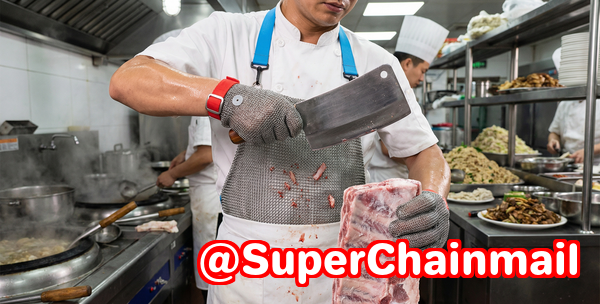
I’ve learned from experience that a simple misstep in choosing the right chainmail can lead to disappointment, unsafe conditions, or even unnecessary costs. But fear not by understanding the fundamentals of quality chainmail, you can make an informed decision and get exactly what you need.
In this guide, I’ll walk you through the key elements of steel chainmail, offer practical advice on how to spot high-quality products, and provide step-by-step tips to help you ensure your purchase is both durable and safe.
Understanding Chainmail Quality: What to Look For
Chainmail comes in many forms, from historical replicas to industrial safety gear and cosplay accessories. But how can you be sure that the product you’re eyeing meets the standards of quality and safety? Let’s dive into a few common pain points that buyers face when evaluating chainmail, and how you can easily avoid costly mistakes.
1. The Difference Between Welded Rings and Open Rings
One of the most common challenges I see people facing is distinguishing between welded rings and open rings. This might sound simple, but for those who are new to chainmail, it’s an important distinction. Open rings are more susceptible to breakage and wear over time. They can easily separate with force, making them unreliable, especially for protective uses like cut-resistant gloves or historical armor.
Welded rings, on the other hand, are fused together using heat or other methods, creating a much stronger bond. This is essential for chainmail that’s intended for real protection, whether for industrial, cosplay, or medieval reenactments.
2. Choosing the Right Stainless Steel Grade
Not all stainless steel is created equal. The grade of steel used in the construction of chainmail directly impacts its durability, corrosion resistance, and overall performance. The two most common grades for chainmail are 304 and 316 stainless steel.
-
304 Stainless Steel: This is the most commonly used grade for decorative chainmail and lightweight wear. It offers good resistance to corrosion but may not hold up as well in harsher conditions.
-
316 Stainless Steel: Known for its superior resistance to corrosion and harsh environmental factors, 316 stainless steel is often used in industrial settings where high durability and resistance to chemicals, saltwater, or extreme temperatures are necessary.
If you’re purchasing chainmail for industrial purposes or food handling, you’ll definitely want to opt for 316 stainless steel. For cosplay or decoration, 304 stainless steel is usually sufficient, though you’ll want to make sure it’s welded properly.
3. The Weave Pattern: European 4-in-1
The weave pattern is another key factor to consider when evaluating chainmail quality. Different weaves offer different levels of strength and flexibility, and the right pattern will depend on the intended use. One of the most reliable and commonly used patterns is the European 4-in-1.
In this pattern, each ring passes through four other rings, creating a sturdy and reliable structure. It’s strong enough for protective armor, yet flexible enough for a range of uses, from cosplay to reenactments. When inspecting chainmail, always ensure the rings are interwoven in a solid, consistent pattern. Gaps or inconsistencies can weaken the structure and decrease durability.
Step-by-Step Inspection Guide
Now that we know the key factors to look for, let’s break down how you can perform a thorough inspection to ensure the chainmail you’re considering is high-quality.
1. Inspect the Rings
-
Welded vs. Open: Take a closer look at the rings. Are they welded shut, or can you pull them apart? If they’re welded, that’s a good sign of durability. If they’re open, you might want to reconsider the purchase.
-
Wire Thickness: The wire used for the rings should feel sturdy and not flimsy. Thin wire can compromise the overall strength of the chainmail.
-
Inner Diameter: The inner diameter of each ring should be consistent throughout the piece. A ring that’s too small or large can affect the integrity of the weave and weaken the protection.
2. Examine the Weave Pattern
-
Look at the weave to ensure that the rings are connected in a consistent European 4-in-1 pattern. Any gaps, misalignments, or inconsistent tightness could signal a flaw in craftsmanship that can make the chainmail less effective in its intended use.
3. Perform a Simple Pull Test
A great way to test the strength of the chainmail is to gently pull at the rings to see if they hold together. If the rings shift too much or come apart easily, that’s a red flag. High-quality chainmail should feel sturdy and not show signs of instability, especially at the edges where the weave may start to loosen.
4. Check for Signs of Corrosion
Inspect the surface of the chainmail for any signs of rust or corrosion. While stainless steel is generally resistant to corrosion, lower-quality materials or poorly finished products can still show wear. Look for discoloration, especially around the welds or where the metal might have been exposed to moisture.
5. Determine the Intended Use
Finally, make sure the type of chainmail you’re buying is suited to your intended purpose. Industrial users may need chainmail designed specifically for cut resistance, while cosplayers may focus more on appearance and comfort. If you’re unsure which material or weave pattern to choose, don’t hesitate to reach out to experts or refer to trusted sources like Aegimesh Chainmail’s detailed inspection guide.
Why This Matters: Benefits of Proper Chainmail Inspection
By taking the time to inspect your chainmail before purchasing, you can:
-
Avoid Unsafe Products: Low-quality or poorly crafted chainmail can pose serious risks, especially in industrial or food-handling settings where durability and safety are paramount.
-
Ensure Long-Term Durability: High-quality chainmail made from the right materials and crafted properly will stand the test of time, saving you money on replacements.
-
Get the Most for Your Money: Quality chainmail may be more expensive upfront, but it will pay off in the long run with superior durability and performance.
Conclusion: My Recommendations for Buying Chainmail
In conclusion, buying high-quality chainmail is all about understanding what to look for. I highly recommend following these steps: check the material, inspect the welds, examine the weave, and perform a simple pull test. By doing so, you can confidently choose chainmail that meets your safety, durability, and aesthetic needs.
For those who want to dive deeper into chainmail inspection, be sure to visit Aegimesh’s detailed guide to help you navigate the process with ease. Learn more about identifying high-quality chainmail products here.
Check out our detailed chainmail inspection guide today.
FAQs
-
How can I tell if a chainmail ring is welded or open?
-
Simply try to pull apart the rings. Welded rings will not separate, while open rings will.
-
-
Which stainless steel grade is best for long-lasting chainmail?
-
For industrial and food processing uses, 316 stainless steel is the most durable and resistant to corrosion. For decorative purposes, 304 stainless steel is usually sufficient.
-
-
How do I inspect the weave pattern for strength?
-
Ensure the rings are consistently woven in a tight European 4-in-1 pattern. There should be no gaps or misalignment.
-
-
What are the signs of low-quality or unsafe chainmail?
-
Look for inconsistencies in ring thickness, welds that look weak, rust or discoloration, and poor weaving. These all indicate that the chainmail might not be durable or safe.
-
-
Can decorative chainmail be used for protective purposes?
-
Decorative chainmail is typically not designed for safety and may not hold up to the same standards as industrial-grade chainmail. Always check the material and weave before using it for protection.
-
-
How do I choose the right chainmail for industrial vs. cosplay use?
-
For industrial use, prioritize durability, resistance to cuts, and corrosion. For cosplay, comfort, aesthetics, and a lighter weight might be more important.
-
Tags/Keywords
chainmail quality, welded rings, stainless steel chainmail, cut-resistant chainmail, chainmail inspection, European 4-in-1 weave