Steel Chainmail: A Historical Armor That Still Holds Its Ground Today
When it comes to chainmail, whether you’re a buyer seeking protection, a collector aiming for historical accuracy, or a cosplayer in need of authenticity, the task of distinguishing high-quality pieces from low-quality imitations can be daunting. I can’t tell you how many times I’ve heard, “How can I tell if this chainmail is really worth my money?” The truth is, picking the right chainmail requires more than just a quick glance or a Google search. You need to know what to look for, and how to evaluate the material, construction, and design. If you’ve ever found yourself unsure about whether a piece of chainmail will actually protect you, or if it’s just a fancy decorative costume, this article is for you.
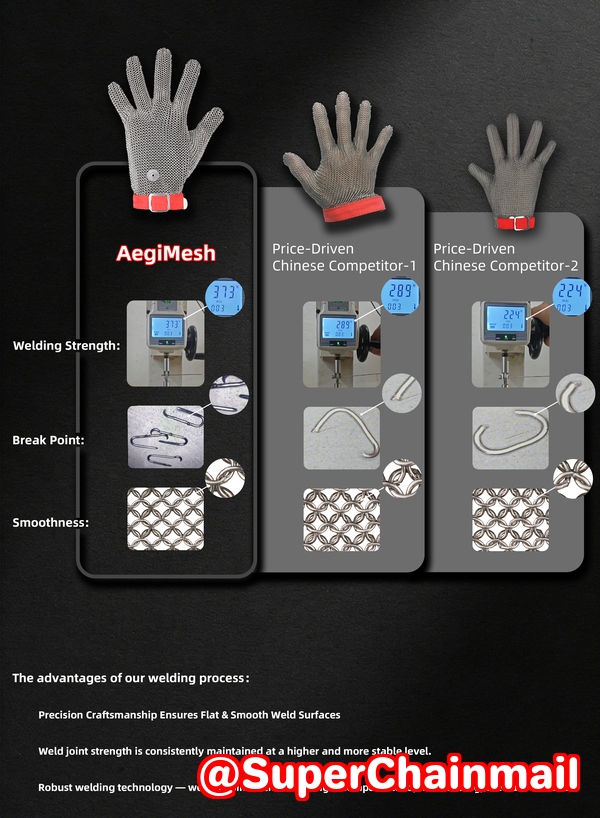
Let’s dive into how you can make smarter decisions when purchasing chainmail, and why Aegimesh Chainmail products stand out for safety, durability, and craftsmanship.
Why Chainmail Quality Matters
At its core, chainmail is designed for protection. Historically, it was used by soldiers and knights as armor to fend off slashes from swords and attacks with edged weapons. Today, chainmail still plays a role in industrial and food processing environments, and it’s commonly worn in cosplay or for historical reenactments. But here’s the problemmany chainmail products available today are decorative or cheaply made, designed more for looks than for actual functionality.
So how do you avoid falling into the trap of buying subpar chainmail that could let you down when you need it most?
1. Identifying Genuine vs. Decorative Chainmail
One of the most common mistakes people make is confusing decorative chainmail with real, durable chainmail. Sure, those shiny little rings might look appealing, but the difference between decorative and genuine chainmail lies in how it’s made.
Welded vs. Open Rings
The first thing you should check when evaluating a chainmail product is the type of rings used. There are two main types: welded and open rings. Open rings are exactly what they sound likethey’re rings that are simply wound together without any form of closure. They’re more prone to coming apart, which means they won’t offer the kind of protection you need, whether for industrial use or cosplay.
Welded rings, on the other hand, are permanently closed by a welding process. This makes them much stronger and resistant to damage, ensuring that your chainmail stays intact, even under pressure. This is a crucial distinction for anyone looking for functional chainmail. You want the rings to be welded for the most durability and safety.
Tip: Always ask or inspect the product to confirm whether the rings are welded or open. At Aegimesh, all our chainmail products use welded rings for superior strength.
2. Choosing the Right Stainless Steel Grade
Next up, let’s talk about the material itself. The most common metals used in chainmail are various grades of stainless steel, such as 304 and 316. But what’s the difference, and why does it matter?
304 Stainless Steel
304 stainless steel is a good all-around material. It’s strong, rust-resistant, and durable. This type of steel is often used for decorative chainmail or items that won’t face extreme environmental conditions.
316 Stainless Steel
If you’re looking for the best protection and durability, 316 stainless steel is the way to go. This steel has a higher resistance to corrosion, making it ideal for industrial use, food processing, or any environment where chainmail will be exposed to moisture or chemicals. It’s a bit pricier, but well worth the investment for durability.
Tip: Always check the stainless steel grade, especially if you’re planning to use the chainmail for something that requires superior corrosion resistance, such as in food processing or industrial settings. Aegimesh Chainmail is crafted with 316 stainless steel for long-lasting protection.
3. Wire Thickness and Ring Diameter
The thickness of the wire and the diameter of the rings are other key indicators of chainmail quality. Thin wire can make chainmail weaker, and larger ring diameters can create gaps that reduce the effectiveness of the armor.
Wire Thickness
Thicker wire means more durability and better protection, but it also increases the weight. When choosing chainmail, consider what you’ll be using it for. If you need something lightweight for cosplay, thinner wire might work. But for industrial or protective purposes, you’ll need thicker wire for enhanced strength.
Ring Diameter
Ring diameter refers to the size of each individual ring. Smaller rings make for a denser, more protective weave. Larger rings may reduce the overall durability and flexibility of the chainmail.
Tip: Look for chainmail with wire thickness and ring diameter suited to your intended use. For instance, a European 4-in-1 weave pattern with smaller, tightly packed rings offers superior protection.
4. Evaluating Weave Patterns
Speaking of weaves, another crucial factor to evaluate is the pattern used in the construction of the chainmail. One of the strongest and most popular weave patterns is the European 4-in-1.
This weave pattern creates a very dense, tight weave where each ring is connected to four others, providing a strong and flexible structure. It’s perfect for protective gear, whether you’re working in a high-risk environment or dressing as a knight in a medieval reenactment.
Tip: Always inspect the weave for uniformity. An inconsistent weave can compromise the strength of the chainmail.
5. Practical Tips for Inspecting Chainmail
Now that we’ve covered the most important factors, let’s walk through some practical steps to evaluate chainmail in person.
How to Perform a Pull Test
Gently pull at the rings of the chainmail to see if they hold firm. If any rings come loose, you’re likely dealing with open rings or low-quality craftsmanship. Genuine, welded chainmail should remain intact under moderate pressure.
Check for Corrosion
Especially in environments where moisture is a concern (such as food handling or industrial work), inspect for signs of rust or discoloration. Even small amounts of corrosion can weaken the material, so be vigilant.
Tip: When buying chainmail online, always ask for close-up pictures of the rings and weave to ensure the quality meets your standards.
Conclusion
To sum up, purchasing high-quality chainmail doesn’t have to be confusing or overwhelming. By checking the ring construction (welded vs. open), material type (304 vs. 316 stainless steel), wire thickness, ring diameter, and weave pattern, you can ensure that you’re getting a durable and reliable product. These steps will help you avoid poor-quality items that could fall apart in use, especially when safety is on the line.
I highly recommend following these steps to ensure any chainmail purchase meets the highest standards for safety, durability, and functionality. Whether you’re buying for industrial protection, cosplay, or a historical display, it’s worth investing in a quality product.
Learn more about identifying high-quality chainmail products: Aegimesh Chainmail
Check out our detailed chainmail inspection guide today.
FAQs
How can I tell if a chainmail ring is welded or open?
Look for a visible seam. If the ring is welded, there should be no gapjust a smooth, continuous surface. If it’s open, you’ll see a clear gap where the ring ends don’t meet.
Which stainless steel grade is best for long-lasting chainmail?
For the highest durability and corrosion resistance, 316 stainless steel is the best choice, especially for industrial or food-handling use.
How do I inspect the weave pattern for strength?
Look for uniformity in the pattern. European 4-in-1 is a strong weave that offers great protection. Check if each ring is properly connected to four others, without any loose or inconsistent rings.
What are the signs of low-quality or unsafe chainmail?
Signs include open rings, poor welding, corrosion, irregular weave patterns, and thin wire. Always inspect carefully to avoid unsafe products.
Can decorative chainmail be used for protective purposes?
Decorative chainmail is often made with thinner wire and open rings, making it unsuitable for protection. For safety, always choose functional chainmail with welded rings and thicker wire.
How do I choose the right chainmail for industrial vs. cosplay use?
For industrial use, prioritize durability and corrosion resistanceopt for 316 stainless steel with a tight weave. For cosplay, focus more on weight and flexibility, and consider thinner wire or decorative designs.
Tags or Keywords
chainmail quality, welded rings, stainless steel chainmail, cut-resistant chainmail, chainmail inspection, European 4-in-1 weave, steel metal chainmail durability