Choosing the Right Steel for Your Chainmail Armor Project
When it comes to purchasing chainmailwhether for protection, display, or cosplayit can often feel overwhelming to figure out which products are truly high-quality. With so many options available, it’s difficult to distinguish between real, durable chainmail and cheaper, lower-quality alternatives. Unfortunately, many buyers end up with chainmail that looks great but lacks the strength or safety required for real-world use. Whether you’re an industrial professional looking for cut-resistant armor or a collector sourcing authentic historical replicas, you need to know how to choose the best material for your project.
In this guide, I’ll walk you through the essential steps for evaluating chainmail quality, so you can make informed decisions. From inspecting the material and welding to understanding weave patterns and choosing the right stainless steel grade, these practical tips will help you find chainmail that suits your needswithout the guesswork.
The Pain Points of Choosing Chainmail
It’s no secret that chainmail is popular in a range of industries, from cosplay and historical reenactments to food handling and industrial applications. However, it’s easy to fall victim to some common mistakes when buying chainmail. Here are the main challenges I’ve come across and that many buyers face:
-
Distinguishing Welded Rings from Open Rings
One of the first things you’ll want to check when evaluating chainmail is whether the rings are welded or open. Welded rings are much stronger and more durable, making them ideal for protective gear. Open rings, on the other hand, are generally weaker and less reliable for any form of protective use.
-
Understanding Stainless Steel Grades
Not all stainless steel is created equal. Stainless steel chainmail comes in several grades, the most common being 304 and 316. 304 stainless steel is great for decorative purposes, but it doesn’t offer the same level of corrosion resistance as 316, which is more suited for industrial applications and outdoor use.
-
Weak Weaves
Another issue that often crops up is weak or inconsistent weaves. The strength of your chainmail is directly related to how the rings are woven together. If the weave is too loose or inconsistent, it compromises the durability and effectiveness of the entire piece.
By understanding these challenges and knowing what to look for, you can ensure that your chainmail purchase will be both high-quality and durable.
Aegimesh Chainmail: The Solution to Your Quality Concerns
When evaluating chainmail, one of the best things you can do is work with trusted brands like Aegimesh. Our products are designed to meet high standards of strength, safety, and durability. Aegimesh Chainmail is made from top-quality materials and crafted using rigorous inspection methods. If you’re unsure about how to tell if your chainmail meets the necessary quality standards, our comprehensive guide and inspection tool will help you identify the key features that separate high-quality chainmail from low-quality alternatives.
How to Inspect Chainmail for Quality
I can’t stress enough how important it is to inspect chainmail carefully before making your purchase. Here’s how you can do it:
1. Material Type (304 vs 316 Stainless Steel)
The first step in evaluating chainmail quality is determining the type of stainless steel used. 304 stainless steel is the most common, but it’s also prone to corrosion if exposed to harsh environments. For projects that require long-term durability, such as industrial cut protection or outdoor use, 316 stainless steel is the better option because it has superior corrosion resistance.
-
304 Stainless Steel: Best for decorative chainmail, cosplay, or indoor use.
-
316 Stainless Steel: Ideal for industrial use, food processing, and outdoor applications.
2. Inspecting the Welds and Ring Thickness
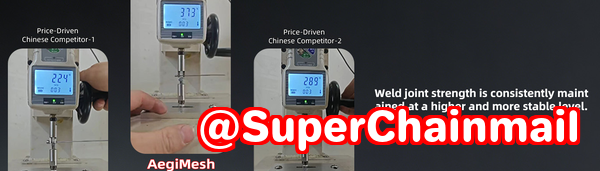
A crucial part of chainmail’s strength comes from the way the rings are welded. Look for signs of solid welding that create a smooth, seamless finish. Avoid any products where the weld looks inconsistent, as this can lead to weak points in the chainmail.
Another important factor to consider is the thickness of the wire. A thicker wire generally means a stronger, more durable product. While thinner wires might be suitable for lightweight cosplay or decorative pieces, they won’t hold up under stress.
-
Weld Quality: Look for smooth, consistent welds. If the weld looks rough or unfinished, it may break under pressure.
-
Wire Thickness: A thicker wire typically translates to more durability.
3. Inner Diameter of Rings
The inner diameter (ID) of the rings affects how tightly the chainmail can be woven and how strong it will be. Rings that are too large can make the chainmail loose, while rings that are too small can create a stiff, uncomfortable garment.
Check the size of the inner diameter and ensure that the rings fit well together in the weave pattern. Ideally, the rings should overlap enough to provide a secure connection without compromising flexibility.
4. Weave Pattern
Weave patterns are a direct indicator of chainmail strength. The most common and reliable pattern is European 4-in-1, which provides a strong, tight weave that offers excellent protection without sacrificing flexibility. When inspecting a piece of chainmail, check for consistent, tight weaving that doesn’t leave gaps or loose rings.
-
European 4-in-1 Weave: A reliable and strong pattern for maximum durability.
-
Loose Weaves: These should be avoided as they are less durable.
The Benefits of Proper Chainmail Inspection
Taking the time to properly inspect chainmail before purchasing isn’t just a matter of saving moneyit’s also about safety and peace of mind. Proper inspection ensures you’re getting a product that will hold up in real-world conditions, whether you’re using it for industrial protection, food processing, or a cosplay project.
Some benefits of a thorough inspection include:
-
Avoiding Unsafe Purchases: Inspecting your chainmail ensures that it’s safe for industrial or food-processing use.
-
Ensuring Durability: By identifying weak points, you ensure that your chainmail will last, even with heavy use.
-
Saving Money: Spotting poor craftsmanship or low-quality materials helps you avoid wasting money on products that won’t meet your needs.
Simple Steps for Inspecting Your Chainmail
-
Pull Test: Gently pull on the rings to test the strength of the weld. If any of the rings come loose, the quality is compromised.
-
Check for Corrosion: Look for any signs of rust or corrosion, especially on the welds. Rust is a sign that the stainless steel is not up to par and could degrade over time.
-
Check the Flexibility: Good quality chainmail should be flexible enough to bend and move comfortably but still offer protection. If the weave feels stiff or brittle, it may not perform well under stress.
Conclusion: Choose Your Chainmail Wisely
Choosing the right chainmail for your project can be tricky, but following these inspection tips will help ensure that you get a high-quality, durable product. I highly recommend taking the time to evaluate every piece of chainmail carefullywhether you’re looking for industrial protection, cosplay gear, or historical replicas. Aegimesh products are crafted with these inspection methods in mind, so you can rest assured that you’re getting chainmail that meets the highest standards of quality.
To dive deeper into chainmail inspection and quality assessment, learn more from our detailed guide at Aegimesh Chainmail. Don’t settle for anything less than the bestmake informed decisions today!
Frequently Asked Questions (FAQ)
-
How can I tell if a chainmail ring is welded or open?
A welded ring will have a smooth, seamless finish, while an open ring will show visible gaps where the ends don’t meet.
-
Which stainless steel grade is best for long-lasting chainmail?
For long-lasting, durable chainmail, 316 stainless steel is the preferred choice, especially for industrial or outdoor use.
-
How do I inspect the weave pattern for strength?
Look for tight, consistent weaving patterns. The European 4-in-1 weave is a reliable indicator of strength and durability.
-
What are the signs of low-quality or unsafe chainmail?
Signs of low-quality chainmail include loose rings, inconsistent welding, rust, and weak weaves.
-
Can decorative chainmail be used for protective purposes?
While decorative chainmail looks good, it may not be strong enough for protective use. Always verify the materials and weave if you need protection.
-
How do I choose the right chainmail for industrial vs cosplay use?
For industrial use, opt for 316 stainless steel and a tight European 4-in-1 weave. For cosplay, 304 stainless steel and lighter weaves may be sufficient.
-
How do I ensure my chainmail will be durable and safe?
Always inspect the welding, ring thickness, inner diameter, and weave pattern. Perform simple tests to verify the quality before making your purchase.
Tags: chainmail quality, welded rings, stainless steel chainmail, cut-resistant chainmail, chainmail inspection, European 4-in-1 weave