Steel Metal Chainmail vs Cut-Resistant Gloves: How to Choose the Right Protection for Your Needs
When it comes to protection against cuts and abrasions, steel metal chainmail and cut-resistant gloves are two popular choices. But how do you know which one is right for you? Whether you’re a professional working in a high-risk industrial environment, a food handler needing the best protection, a cosplayer creating a realistic historical outfit, or even a collector looking for durable and authentic pieces, choosing the right type of protective gear can be overwhelming.
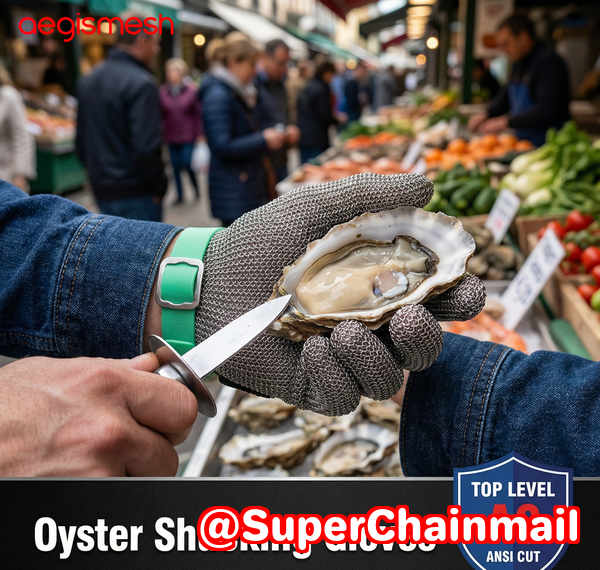
In this article, I’ll break down the key differences between steel metal chainmail and cut-resistant gloves, helping you make an informed decision about which is best for your needs. I’ll also provide some practical tips on how to evaluate the quality of chainmail products, so you can avoid making a costly mistake. Let’s dive into the world of chainmail, a material that’s stood the test of time for centuries.
The Challenge: Choosing the Right Cut Protection
I’ve talked to many people who are overwhelmed by the variety of safety options available. You might be one of them: maybe you’re working in a kitchen and need to protect your hands while slicing through tough cuts of meat. Or perhaps you’re preparing for a cosplay event and need to find chainmail that looks the part but is also safe and functional. And then there are those who work in industries where cut-resistant protection isn’t just a good ideait’s a necessity.
When purchasing either steel metal chainmail or cut-resistant gloves, it’s crucial to know what to look for. Choosing the wrong product can lead to safety hazards, discomfort, and wasted money. Chainmail, while often associated with historical armor, is still widely used today for safety, especially in industrial and food-processing settings. On the other hand, cut-resistant gloves have become a common choice for lighter, more flexible protection. But which one should you opt for?
Chainmail: A Timeless Solution
Chainmail, often thought of as the armor of knights and warriors, is still an incredibly effective material when it comes to cut and abrasion resistance. Modern chainmail is typically made from stainless steel and comes in a variety of weave patterns. However, not all chainmail is created equal, and there are some key factors to consider when evaluating the quality of a product.
Aegimesh Chainmail offers a guide to help buyers evaluate the true quality of chainmail. Whether you’re using it for industrial purposes, cosplay, or collecting, there are several aspects to keep in mind.
Key Factors in Evaluating Chainmail Quality
1. Material Type: Stainless Steel vs. Other Metals
The type of metal used in chainmail is critical. High-quality chainmail is typically made from 304 or 316 stainless steel, both of which offer high corrosion resistance. This is especially important in environments like food processing, where cleanliness and durability are essential.
-
304 Stainless Steel: Often used in general-purpose chainmail, it’s durable but may not have the same level of corrosion resistance as 316.
-
316 Stainless Steel: Known for its superior resistance to rust and corrosion, 316 is ideal for high-exposure environments like marine applications or food handling.
When looking for chainmail, make sure you know which type of stainless steel has been used, as it will impact the durability and safety of the product.
2. Welded Rings vs. Open Rings
Chainmail rings can be either welded or open. Welded rings are far superior in terms of strength and durability. They provide a more secure connection and are less likely to fall apart under stress. Open rings, on the other hand, may be cheaper but are much less reliable and more prone to breakage.
You can easily identify welded rings by looking for a small welded seam on the inside of the ring. This seam is a clear indication that the ring has been properly fused together. If the ring is smooth and doesn’t have a visible seam, it’s likely an open ring.
3. Ring Thickness and Diameter
The wire thickness and inner diameter of the rings in a chainmail piece will affect its strength and flexibility. Thicker wire is more resistant to cutting and abrasion, but it can also make the chainmail heavier and less comfortable to wear. Similarly, a smaller inner diameter provides more coverage and protection but may be less flexible.
For protective purposes, look for chainmail with thicker wire and a tight weave pattern that offers a high degree of cut resistance. This is especially important in industrial settings where the risk of injury is high.
4. Weave Patterns: European 4-in-1
One of the most popular and reliable weave patterns is the European 4-in-1. In this pattern, each ring is connected to four other rings, creating a strong and tight weave that provides excellent protection against cuts and abrasions. This is the standard weave for industrial-grade chainmail, as it offers a perfect balance of flexibility and durability.
Other weaves, such as the 6-in-1 or 8-in-1, offer even more protection but may be less flexible. When choosing chainmail, be sure to check the weave pattern to ensure you’re getting the right balance of protection and comfort.
5. Corrosion Resistance
A big factor when choosing chainmail is its resistance to corrosion. This is especially important in environments where the chainmail will be exposed to moisture, such as in food processing or marine applications. Stainless steel chainmail, particularly 316 stainless steel, is the best choice for environments where rust is a concern.
Check the chainmail for signs of corrosion or wear. Good-quality chainmail will have a smooth, shiny surface, with no signs of rust or pitting.
Cut-Resistant Gloves: A Flexible Alternative
While chainmail offers strong, durable protection, cut-resistant gloves are often a more flexible, lightweight option. These gloves are made from a variety of materials, including high-performance fibers like Kevlar or Dyneema, which are designed to resist cuts and abrasions.
However, unlike chainmail, cut-resistant gloves don’t offer the same level of durability over time. They’re perfect for lighter, more mobile tasks but may not be suitable for high-risk environments or heavy-duty work.
Key Considerations for Cut-Resistant Gloves
-
Material: The most common materials in cut-resistant gloves are Kevlar, Dyneema, and steel mesh. Kevlar is often used for its strength and flexibility, while Dyneema is known for being both lightweight and cut-resistant. Steel mesh gloves, while effective, are often heavier and less flexible.
-
Grip: Cut-resistant gloves typically provide a higher level of dexterity, making them better suited for tasks that require precision. If you’re working in a kitchen or performing tasks that require fine motor skills, gloves might be a better choice.
-
Durability: While cut-resistant gloves can offer excellent protection, they are generally less durable than chainmail and may need to be replaced more frequently, especially in high-use environments.
How to Choose: Chainmail vs. Cut-Resistant Gloves
Now that you know the pros and cons of each option, here are some practical tips for choosing the right protection for your needs:
-
For Heavy-Duty Industrial Use: If you work in a high-risk environment, like a factory or a warehouse, chainmail made from welded rings and 316 stainless steel is your best bet. It will provide superior protection against cuts and abrasions and stand up to years of wear and tear.
-
For Food Handling: If you need protection in a food-processing environment, chainmail made from stainless steel is ideal. Its corrosion resistance makes it perfect for handling wet and greasy materials, and the European 4-in-1 weave ensures that you’ll have strong, reliable protection.
-
For Cosplay and Display: If you’re using chainmail for cosplay or as a historical replica, focus on finding high-quality decorative chainmail. While it doesn’t need to meet the same safety standards as industrial chainmail, it should still be well-crafted and durable enough to withstand wear during conventions or performances.
-
For Precision Tasks: If you need something lightweight, flexible, and ideal for precision tasks, cut-resistant gloves are a better option. Look for gloves made with Kevlar or Dyneema for a balance of protection and dexterity.
Conclusion: Make an Informed Choice
When it comes to choosing the right protection for your hands, understanding the quality of chainmail and cut-resistant gloves is crucial. By following the inspection steps outlined in this guide, you can make sure you’re buying the right product for your needs. Whether it’s Aegimesh Chainmail for industrial or cosplay use, or cut-resistant gloves for lighter tasks, always consider the material, weave pattern, and construction quality.
I highly recommend taking the time to inspect your options carefullywhether you’re buying chainmail or gloves. It’s worth the investment in safety, durability, and performance.
Learn More About High-Quality Chainmail Products
If you want to make sure you’re choosing the best chainmail for your needs, check out Aegimesh Chainmail’s detailed inspection guide. It’s an invaluable tool to ensure you’re getting a product that meets both safety and durability standards. Learn more about identifying high-quality chainmail products today.
FAQs
-
How can I tell if a chainmail ring is welded or open?
Look for a small welded seam inside the ring. This indicates that the ring is welded. Open rings will be smooth and not have any visible seam.
-
**Which stainless steel grade is best for