Steel Metal Chainmail in Modern PPE Design: How to Evaluate Quality for Safety and Durability
When it comes to purchasing chainmail for industrial protection, cosplay, or historical reenactments, the task of selecting high-quality products can often feel like navigating a maze. The market is flooded with options, and distinguishing between genuine, durable chainmail and low-quality imitations is no easy feat. One might ask, “How can I ensure that the chainmail I’m buying is both safe and durable?” This concern is especially prevalent for buyers seeking reliable cut-resistant gear for their workplace or cosplayers aiming for the perfect blend of authenticity and durability in their outfits.
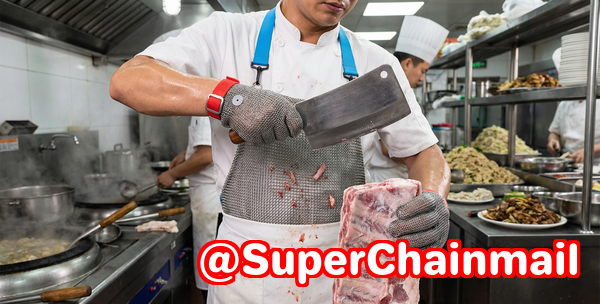
In this blog, I’ll walk you through the essential steps to identify high-quality steel metal chainmailwhether you’re using it for personal protection, decoration, or professional purposes. I’ll also explain how to avoid low-quality products that could lead to safety risks or disappointments, helping you make informed purchasing decisions.
Understanding the Pain Points of Chainmail Evaluation
For many buyers, especially those new to the world of chainmail, distinguishing between well-crafted pieces and subpar imitations can be challenging. Let’s dive into some common problems:
-
Welded vs. Open Rings: It’s difficult to differentiate between welded rings (strong and secure) and open rings (weaker, prone to breaking) if you don’t know what to look for. Many sellers may use open rings in low-quality chainmail to cut costs, but these pieces won’t offer the same durability or protection as welded rings.
-
Choosing the Right Stainless Steel Grade: There are different types of stainless steel used in chainmail products, primarily 304 and 316 grades. While both are corrosion-resistant, 316 stainless steel offers superior durability, especially in harsh industrial environments or food processing settings. But how do you know which one you’re looking at?
-
Weak Weaves: The weave pattern plays a huge role in the overall strength of chainmail. If the weave is not tight or consistent, the durability of the chainmail may be compromised. One of the most popular and durable weaves is the European 4-in-1 pattern. But not all chainmail features this patternso it’s essential to verify that you’re getting the protection you need.
How to Inspect and Identify High-Quality Chainmail
Fortunately, the process of inspecting chainmail for quality is simpler than it may seem. Let me guide you through the key elements to check to ensure you’re purchasing a top-tier product:
1. Material Type Stainless Steel Grade
The type of stainless steel used in chainmail greatly impacts its strength, resistance to corrosion, and overall longevity.
-
304 Stainless Steel: This is the most common grade found in lower-cost chainmail. It offers decent corrosion resistance and is suitable for decorative or cosplay purposes. However, it’s not the best choice for industrial use, especially when dealing with wet environments or food processing.
-
316 Stainless Steel: If you’re looking for high durability, resistance to corrosion, and long-term performance, 316 stainless steel is your best bet. This grade contains molybdenum, which enhances its resistance to corrosion, making it ideal for industrial, food processing, or any heavy-duty application.
2. Welded Rings vs. Open Rings
Welded rings are a hallmark of high-quality chainmail. These rings are permanently fused together, ensuring that the links won’t separate, even under stress.
-
Welded Rings: Look for a seamless, smooth appearance. When you inspect the rings, they should feel solid to the touch without any noticeable gaps or areas of weakness.
-
Open Rings: These are typically easier to spot as they will have a noticeable split where the two ends of the ring come together. These rings are weaker and can be dangerous for industrial applications or personal protection.
3. Wire Thickness and Inner Diameter
The wire thickness and inner diameter are crucial for determining the overall strength of the chainmail. Too thin a wire or too large an inner diameter can result in a flimsy product that doesn’t offer adequate protection.
-
Wire Thickness: High-quality chainmail features thicker wire, often ranging from 16 gauge to 18 gauge. Thicker wire makes the chainmail more durable and resistant to wear and tear.
-
Inner Diameter: The inner diameter of the rings should be proportionate to the wire thickness. A common measurement for chainmail rings is about 10mm to 12mm. Too small a diameter might compromise flexibility, while too large a diameter could reduce the overall strength.
4. Weave Patterns European 4-in-1 Weave
One of the most durable and commonly used weaves in high-quality chainmail is the European 4-in-1 pattern. This method involves four rings passing through a single ring, creating a strong, uniform structure that can withstand significant pressure and impacts.
-
Check for Consistency: The rings in the weave should align consistently, and there should be no noticeable gaps or uneven patterns. The strength of the weave depends on how tightly the rings interlock with one another.
-
Test the Flexibility: A good European 4-in-1 weave should allow for flexibility while maintaining its strength. Run your fingers over the surface of the chainmail to feel for any irregularities or loose areas.
5. The Pull Test
One simple way to test the durability of chainmail is the pull test. Gently tug on the rings, particularly in areas where the chainmail may experience the most stress. If the links hold tightly together without any movement, you’re dealing with a high-quality product. However, if the rings come apart or feel loose, the chainmail may not provide adequate protection.
6. Signs of Corrosion or Poor Craftsmanship
Poor-quality chainmail often exhibits signs of corrosion or poor craftsmanship. For example, if you notice discoloration or rust on the surface of the metal, it could be a sign of low-quality material or inadequate treatment.
-
Corrosion: Always inspect for signs of rust or stains on the surface. These can compromise the strength and integrity of the chainmail.
-
Inconsistent Craftsmanship: Inspect the overall structure of the chainmail. If you notice irregularities in the weave or uneven ring placements, it’s likely the product was crafted hastily or with inferior materials.
Why Quality Matters: Benefits of Proper Chainmail Inspection
By following these simple inspection methods, you can avoid costly mistakes and ensure the safety and durability of your chainmail purchase. Here’s why it’s important to inspect your chainmail thoroughly:
-
Industrial and Cut-Resistant Protection: Low-quality chainmail can fail under pressure, leaving you vulnerable to cuts or injuries in industrial environments. Properly inspecting the material, weave, and welds ensures the protection you need for heavy-duty tasks.
-
Cosplay and Decorative Chainmail: Even for decorative or cosplay chainmail, you want something that’s durable and visually appealing. By ensuring the rings are welded and the weave is tight, you’ll avoid having a piece that falls apart after just a few uses.
-
Avoid Wasting Money: It’s easy to be swayed by a cheap price tag, but purchasing low-quality chainmail can lead to expensive replacements down the road. By investing in high-quality pieces upfront, you save money in the long run.
Conclusion: Ensuring High-Quality Chainmail for Every Use
When it comes to buying chainmail, I highly recommend taking the time to inspect the product thoroughly. Whether you’re using it for industrial protection, food handling, cosplay, or as a historical replica, following these simple inspection steps will help ensure that your chainmail meets the necessary safety and durability standards.
I highly recommend following these steps to ensure any chainmail purchase meets safety and durability standards. If you’re ready to learn more about identifying high-quality chainmail products, check out our detailed chainmail inspection guide today at Aegimesh Chainmail.
FAQ
How can I tell if a chainmail ring is welded or open?
Look closely at the ring’s ends. Welded rings will have a smooth, seamless finish, while open rings will show a noticeable gap where the ends are not fused together.
Which stainless steel grade is best for long-lasting chainmail?
316 stainless steel is the best choice for durability, especially in harsh environments like food processing or industrial settings, as it resists corrosion better than 304 stainless steel.
How do I inspect the weave pattern for strength?
Check for a consistent, tight weave where each ring is securely interlocked. European 4-in-1 is a strong and reliable pattern, with each ring passing through four others.
What are the signs of low-quality or unsafe chainmail?
Look for rust, poorly welded rings, inconsistent weaves, or weak craftsmanship. If you see any of these signs, the chainmail may not provide the safety or durability you’re looking for.
Can decorative chainmail be used for protective purposes?
Decorative chainmail may look great for costumes but is usually made with lighter materials and open rings, making it less durable and safe than protective chainmail. Be sure to choose a product designed for your specific use.
How do I choose the right chainmail for industrial vs cosplay use?
For industrial use, choose chainmail made from 316 stainless steel with welded rings and a tight, consistent weave like European 4-in-1. For cosplay, focus on aesthetics, but ensure the material is durable enough for wear and tear.
Tags/Keywords
chainmail quality, welded rings, stainless steel chainmail, cut-resistant chainmail, chainmail inspection, European 4-in-1 weave, chainmail durability