Steel Metal Chainmail Market Outlook for Businesses
When it comes to purchasing chainmail, whether for industrial use, historical reenactments, or cosplay, ensuring that the product is of high quality can be a daunting task. I’ve encountered countless situations where buyers, like myself, struggle to differentiate between genuinely durable and safe chainmail and low-quality imitations. This is especially important for industries that require reliable protective gear. A poorly made chainmail could mean a safety hazard, whereas high-quality chainmail ensures protection, durability, and peace of mind.
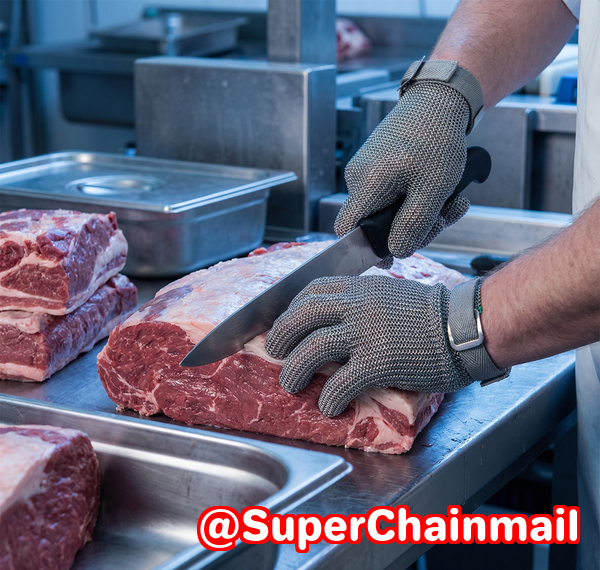
So how do you identify a quality chainmail product that’s not only safe but also cost-effective? In this guide, I’ll walk you through the essential aspects of inspecting chainmail, and how Aegimesh Chainmail can help you make an informed decision.
Common Challenges in Chainmail Evaluation
For many buyers, the biggest challenge in selecting chainmail is knowing what to look for. With so many different grades, materials, and weave types available, it’s easy to get overwhelmed. Below are a few common pain points I’ve experienced when evaluating chainmail:
-
Distinguishing Welded Rings from Open Rings
One of the most common mistakes buyers make is not being able to tell the difference between welded rings and open rings. Welded rings are significantly stronger and more durable, making them ideal for industrial and protective uses. Open rings, on the other hand, are much weaker and typically used in decorative chainmail, which may not hold up in high-stress environments.
-
Uncertainty About Stainless Steel Grades
Not all stainless steel is created equal. The grade of steel used in chainmail can greatly affect its strength, durability, and resistance to corrosion. Many buyers, especially those purchasing chainmail for industrial use, often confuse lower-grade steel (304) with higher-grade steel (316), which is more resistant to corrosion and ideal for harsh environments like food processing or outdoor industrial work.
-
Weak Weave Patterns and Durability Issues
Weave patterns, like the classic European 4-in-1, play a crucial role in the overall strength of the chainmail. A poorly constructed weave, with inconsistent rings or weak connections, can lead to an unreliable product that fails when it’s needed the most.
Aegimesh Chainmail: The Solution
Aegimesh Chainmail is your go-to source for top-quality chainmail, designed for a range of applications, from industrial cut protection to cosplay. Our chainmail is manufactured using high-grade materials like 304 and 316 stainless steel, ensuring durability and strength. But it’s not just about the materials. We’ve also carefully crafted each piece with strong welded rings and reliable weave patterns.
By using Aegimesh Chainmail, you can avoid the pitfalls of purchasing low-quality products. Our guide helps buyers, collectors, and professionals like you to identify chainmail that meets high standards of safety and durability. Here’s how you can inspect chainmail products to ensure they meet the required specifications.
How to Inspect Chainmail for Quality
It’s easy to assume that all chainmail is created equal, but nothing could be further from the truth. Below, I’ll break down the key factors you should check when evaluating chainmail products.
1. Material Type: 304 vs. 316 Stainless Steel
When selecting chainmail for industrial or safety purposes, material is everything. Stainless steel comes in several grades, and while both 304 and 316 are commonly used for chainmail, the differences can be significant.
-
304 Stainless Steel is the most common and cost-effective grade, but it’s prone to corrosion in harsh environments.
-
316 Stainless Steel, on the other hand, offers superior resistance to corrosion, especially in saltwater and other corrosive environments. For industries like food processing or marine work, this is the ideal material.
To check the material, look for product descriptions or certifications that confirm the stainless steel grade used. If you’re unsure, ask the seller for more details.
2. Inspecting Ring Welding and Thickness
Welded rings are a must if you need reliable, durable chainmail. Unlike open rings, welded rings are permanently sealed, making the weave stronger and more secure. In contrast, open rings can easily pull apart over time, compromising the protection they offer.
To inspect for welded rings, simply look for signs of welding on the ring’s joint. If the weld is smooth and seamless, you’re in the clear. A poorly welded ring might have visible gaps or an uneven seam, indicating it’s not strong enough for heavy-duty use.
Another aspect to consider is the wire thickness. Thicker wire provides more strength and durability, but it can also make the chainmail heavier. For industrial or cut-resistant uses, thicker wire is recommended, but for decorative uses like cosplay, you may prefer something lighter.
3. Check the Ring Diameter
The inner diameter of each ring plays a vital role in the overall durability of the chainmail. A larger ring diameter might result in a looser weave, which can make the chainmail less effective at stopping cuts. On the other hand, too small a diameter can make the weave too tight and uncomfortable to wear.
For safety purposes, particularly in industrial or food handling environments, aim for a ring diameter that strikes a balance between durability and flexibility.
4. Evaluating the Weave Pattern
The weave pattern is perhaps the most important factor in determining the chainmail’s overall strength. The European 4-in-1 weave, where each ring connects to four others, is one of the most popular and robust patterns. It offers excellent protection against cuts and abrasions, making it perfect for both industrial and cosplay uses.
When inspecting the weave, check for consistent ring placement and smoothness. Gaps or irregularities in the weave can indicate poor craftsmanship and reduce the overall durability of the chainmail.
5. Performing a Pull Test
To test the durability of your chainmail, try a simple pull test. Gently pull on a section of the chainmail to check for any loose rings or weak spots. If the chainmail stretches or the rings separate easily, it’s a sign that the quality is subpar.
This is especially crucial for industrial applications where strength is non-negotiable.
6. Identifying Corrosion or Rust
Chainmail, especially made from low-grade stainless steel, is susceptible to corrosion over time. This is particularly important in food processing or marine environments where exposure to moisture is common.
Look for any signs of rust or discoloration on the rings. If you notice any, it’s likely that the chainmail isn’t made from high-quality material or that it hasn’t been treated properly for corrosion resistance.
7. Choose the Right Chainmail for Your Use Case
Finally, always consider the intended use of the chainmail. Industrial-grade chainmail must meet higher standards for safety and durability, while chainmail for cosplay or display may prioritize appearance over functionality. Make sure to choose the right type based on whether you need protection against cuts, for decoration, or for historical authenticity.
Conclusion: Ensuring High-Quality Chainmail Purchases
In my experience, it’s always better to be over-prepared than to end up with a chainmail product that doesn’t meet your expectations. Following the inspection steps above will help ensure you’re purchasing chainmail that’s both safe and durable for your specific needs.
I highly recommend taking the time to carefully evaluate any chainmail you plan to purchase. Whether for industrial use, cosplay, or historical replicas, following these inspection tips will save you money, ensure your safety, and help you avoid poor-quality products.
Learn more about identifying high-quality chainmail products:
Check out Aegimesh’s detailed chainmail inspection guide today.
FAQ
1. How can I tell if a chainmail ring is welded or open?
To identify welded rings, look for a smooth, seamless connection where the ends of the ring meet. Open rings may have a visible gap or a less uniform appearance.
2. Which stainless steel grade is best for long-lasting chainmail?
For long-lasting, corrosion-resistant chainmail, 316 stainless steel is the best choice, particularly in harsh or wet environments. It’s more resistant to rust than 304 steel.
3. How do I inspect the weave pattern for strength?
Check for consistent, tightly woven rings with no gaps or irregularities. The European 4-in-1 weave is a great standard for strength and durability.
4. What are the signs of low-quality or unsafe chainmail?
Signs include weak or inconsistent welding, poorly constructed weaves, corrosion, rust, or flimsy rings. Always inspect for these issues before purchasing.
5. Can decorative chainmail be used for protective purposes?
Decorative chainmail, while visually appealing, may not provide adequate protection. For industrial or safety use, always opt for welded rings and durable weave patterns.
6. How do I choose the right chainmail for industrial vs. cosplay use?
For industrial use, prioritize materials like 316 stainless steel with welded rings for cut resistance. For cosplay, lighter and more flexible chainmail with aesthetic appeal might be suitable.
Tags/Keywords:
chainmail quality, welded rings, stainless steel chainmail, cut-resistant chainmail, chainmail inspection, European 4-in-1 weave, chainmail durability