Steel Metal Chainmail for Hygiene and Safety
When it comes to purchasing chainmailwhether for industrial protection, food handling, cosplay, or collectingit’s easy to get overwhelmed by the options available. If you’re like me, you’ve probably wondered: “How can I be sure the chainmail I’m buying is the real deal? Is it durable enough to handle the job?”
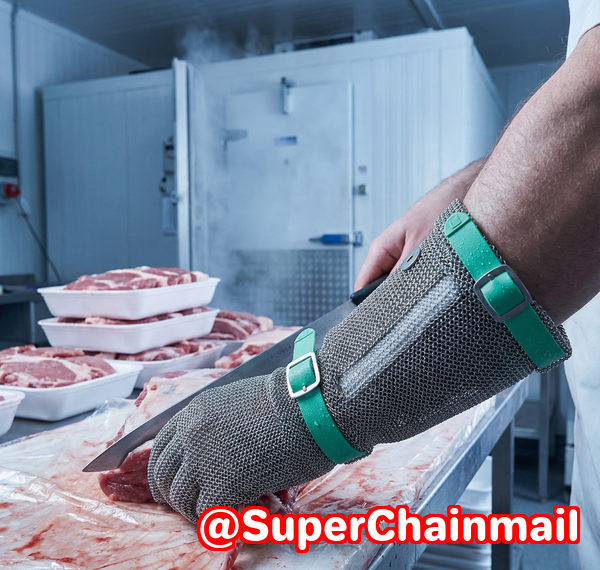
Whether you’re a professional looking for reliable protective gear or a hobbyist seeking an authentic medieval replica, making the right choice is crucial. In this guide, I’ll walk you through the essentials of identifying high-quality steel chainmail, helping you avoid poor-quality, unsafe products and ensuring you get the most value for your money.
Common Problems When Evaluating Chainmail
You might find yourself facing some of these frustrations when shopping for chainmail:
-
Welded Rings vs. Open Rings: One of the biggest challenges is telling the difference between welded rings and open rings. A welded ring provides far better durability, while an open ring can weaken over time.
-
Uncertainty Around Material: Not all stainless steel is created equal. 304 stainless steel may be cheaper, but it’s more susceptible to corrosion compared to the more durable 316 grade, often preferred for industrial and food-handling environments.
-
Weak Weaves: Many chainmail products feature poor or inconsistent weaves. If the rings aren’t tightly interlocked, or if the weave pattern is not robust, it could mean the chainmail won’t provide the necessary protection or durability.
So how do you ensure you’re getting high-quality chainmail? That’s where Aegimesh Chainmail comes inour guide is designed to help you navigate these challenges and make an informed purchase.
How to Inspect Chainmail: A Step-by-Step Guide
When it comes to chainmail, the key to finding a high-quality product lies in understanding a few critical inspection points. By following these easy steps, you can ensure that you’re buying the right piece for your needs.
1. Check the Material: 304 vs. 316 Stainless Steel
Not all stainless steel is the same. In fact, there are a few key differences between the two most commonly used grades304 and 316 stainless steel. While 304 stainless steel is durable, it tends to be more prone to rust and corrosion. This can be a problem if you’re using the chainmail in harsh environments, such as food processing or industrial settings.
On the other hand, 316 stainless steel is highly resistant to corrosion, making it an ideal choice for food handling, industrial use, or any situation where the chainmail will be exposed to moisture and other environmental factors.
Tip: Always check the grade of steel used in the chainmail. Higher-quality products will advertise that they use 316 stainless steel for maximum durability.
2. Inspect the Rings: Welded vs. Open Rings
A key indicator of chainmail quality is whether the rings are welded or open. Welded rings are fused shut during manufacturing, creating a more secure connection that is much less likely to come apart over time. Open rings, however, are simply twisted shut, which makes them prone to opening or weakening with use.
To check the rings:
-
Inspect the edges. If the ring ends appear slightly fused or welded together, it’s a good sign you’re dealing with welded rings.
-
If the ends appear to be simply twisted, the rings are open.
Tip: Always look for welded rings in industrial-grade or protective chainmail. Open rings may be fine for decorative pieces, but they won’t provide the durability needed for safety or long-term use.
3. Check the Wire Thickness and Ring Diameter
The thickness of the wire and the inner diameter of the rings are other critical factors that determine the strength of the chainmail. For protective chainmail (such as for industrial or cut-resistant use), the wire should be thick enough to resist penetration or cutting.
To ensure you’re buying a high-quality product, look for chainmail that uses thicker wire and appropriately sized rings for its intended purpose. For example, if you’re looking for chainmail for food processing, make sure it meets the required standards for cut-resistance.
4. Evaluate the Weave Pattern: European 4-in-1 for Strength
The European 4-in-1 weave is one of the most popular and strongest weave patterns used in chainmail. In this design, each ring is woven through four others, creating a tight, durable structure.
To test the strength of the weave:
-
Run your hand over the chainmail. It should feel smooth and firm, with no loose or easily pulled-apart links.
-
Look at the interlocking pattern. The rings should be tightly woven together, with no gaps or irregularities.
Tip: If the chainmail you’re inspecting is a European 4-in-1 pattern, you’re likely looking at a durable and strong piece.
Why Proper Chainmail Inspection Matters
Inspecting chainmail before purchase isn’t just about saving moneyit’s also about ensuring safety. Here are a few reasons why it’s essential to follow these inspection steps:
-
Safety: Low-quality or poorly made chainmail can leave you vulnerable to cuts, abrasions, or even severe injuries if it doesn’t meet safety standards. For instance, chainmail used in food processing must be hygienic and reliable to prevent contamination or injury.
-
Durability: A good-quality piece will last longer, meaning you won’t have to replace it as frequently. Whether you’re using the chainmail in industrial settings, as cosplay armor, or as part of a collection, durability is key.
-
Money Savings: It’s frustrating to spend money on a product only to realize it doesn’t meet your needs. By knowing how to inspect chainmail, you can avoid spending on low-quality products that may fail in the long run.
Tip: Following these inspection methods not only ensures you get a safer and more durable product, but it also helps you avoid the stress of dealing with subpar chainmail.
Conclusion
By carefully inspecting the material, rings, wire thickness, and weave pattern, you’ll be better equipped to find chainmail that suits your needswhether that’s for industrial protection, cosplay, or as part of a historical collection. I highly recommend following these steps to ensure any chainmail purchase meets safety and durability standards.
Remember, quality chainmail is an investment, not only in your safety but also in long-term value. So, take the time to inspect each piece carefully before buying.
Learn more about identifying high-quality chainmail products: Aegimesh Chainmail
Check out our detailed chainmail inspection guide today to ensure your next purchase meets the highest standards.
FAQ
-
How can I tell if a chainmail ring is welded or open?
Welded rings will have fused ends, while open rings will have twisted ends. Simply inspect the edges to tell the difference.
-
Which stainless steel grade is best for long-lasting chainmail?
316 stainless steel is the best option for durability and corrosion resistance, especially in industrial or food-handling environments. -
How do I inspect the weave pattern for strength?
Look for tight, even links in a European 4-in-1 pattern. The weave should feel firm and smooth, with no loose or easily pulled-apart rings.
-
What are the signs of low-quality or unsafe chainmail?
Signs include poor welds, open rings, irregular or inconsistent weave patterns, and weak wire thickness. Always inspect carefully before purchasing.
-
Can decorative chainmail be used for protective purposes?
While decorative chainmail may look great, it may not offer the protection needed for industrial or food processing purposes. Always choose a product specifically designed for protection.
-
How do I choose the right chainmail for industrial vs. cosplay use?
For industrial use, look for thicker wire, welded rings, and 316 stainless steel for durability and safety. For cosplay, aesthetics and comfort might be your primary concern, but ensure the weave is still durable enough for wear.
Tags or Keywords
-
chainmail quality
-
welded rings
-
stainless steel chainmail
-
cut-resistant chainmail
-
chainmail inspection
-
European 4-in-1 weave
-
chainmail durability