Steel Metal Chainmail and Wear Resistance: How to Identify High-Quality Chainmail for Safety, Durability, and Performance
When you’re in the market for chainmail, whether it’s for cosplay, historical reenactments, industrial use, or even food processing, it can be overwhelming to figure out which products are truly high-quality. I’ve been there myself. You might wonder: “How can I tell if a chainmail piece is really up to the task? Is it durable enough for protection? Will it last?” These are valid concerns, and unfortunately, the market is filled with subpar products that look impressive on the surface but fall apart under real pressure.
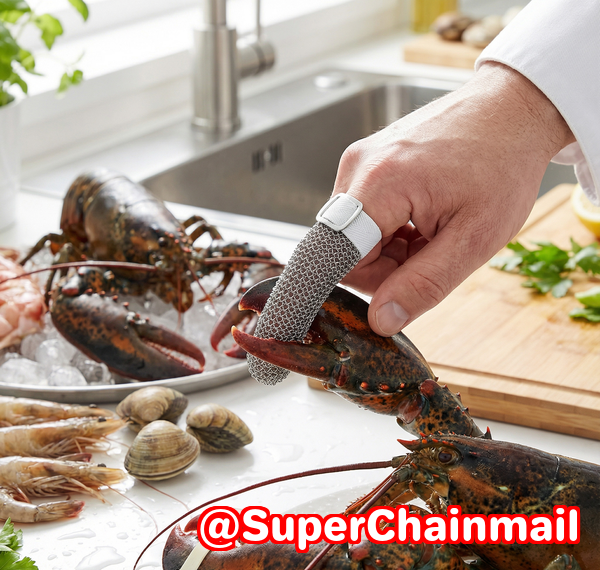
I’ve spent hours researching, inspecting, and testing various chainmail products over the years, so I can share what I’ve learned about evaluating chainmail for its wear resistance, strength, and overall quality. In this guide, I’ll help you identify the signs of genuine, high-quality chainmailwhether you’re looking for industrial-grade protection or decorative cosplay pieces.
Common Chainmail Problems Buyers Face
Before diving into the solutions, let’s first talk about some of the most common pain points people face when trying to evaluate chainmail:
-
Not knowing the difference between welded and open rings: This is one of the biggest mistakes people make. Open rings might look similar to welded rings, but they are far less durable. A welded ring ensures that the individual rings are securely closed, providing maximum strength and wear resistance.
-
Confusion around stainless steel grades: Did you know that not all stainless steel is created equal? Most chainmail is made from 304 or 316 stainless steel, but they differ significantly in terms of corrosion resistance and strength. Choosing the wrong one could mean that your chainmail rusts or degrades more quickly.
-
Weak weaves compromising durability: Weave patterns are crucial for strength. The most common and reliable pattern is the European 4-in-1 weave, but not all chainmail is made with this pattern. Some low-quality products use weaves that are either too loose or poorly constructed, compromising the protection they offer.
Luckily, once you know what to look for, you can avoid these pitfalls and confidently purchase chainmail that meets your needs.
Aegimesh Chainmail: Your Solution for Quality Assurance
Aegimesh offers a comprehensive guide and inspection tool to help you evaluate chainmail with confidence. Whether you’re buying for industrial use, cosplay, or collecting, it’s essential to know how to inspect the product for durability and wear resistance. Let’s break down the key areas of focus when evaluating chainmail.
1. Material Quality: Stainless Steel Matters
The first thing to consider when evaluating chainmail is the type of material used. Stainless steel is the most common material for high-quality chainmail, but there are different grades.
-
304 Stainless Steel: This is the standard for most chainmail products. It’s resistant to rust and corrosion, making it a good option for general-purpose uses, such as cosplay or decorative pieces. However, it can lose its resistance over time, especially in harsh environments.
-
316 Stainless Steel: If you’re planning to use chainmail for industrial or food-processing purposes, 316 stainless steel is the better choice. It’s far more resistant to corrosion, especially in environments where chemicals or moisture are prevalent. This makes it ideal for heavy-duty use, such as in meat processing or industrial cut-resistant apparel.
Tip: Always ask the seller about the grade of stainless steel used. If they don’t know or can’t provide specifics, it’s a red flag.
2. Inspecting the Rings: Welded vs Open
When you look at a chainmail product, check the rings carefully. The quality of the rings determines how durable and strong the chainmail will be.
-
Welded Rings: High-quality chainmail will feature welded rings. These are rings that have been fused together, ensuring that they won’t easily pull apart under strain. They are essential for any chainmail designed for protection.
-
Open Rings: Low-quality or decorative chainmail often uses open rings, which are simply interlocked but not welded. These can break or come apart over time, reducing the effectiveness of the chainmail for protection.
Tip: A simple pull test can help you verify the strength of the rings. If they move or separate easily, they are likely open rings.
3. Ring Size and Thickness
The thickness of the wire and the diameter of the rings play a major role in the strength and flexibility of the chainmail. Thicker wire and smaller ring diameters are generally better for protection and durability.
-
Wire Thickness: Thicker wire means stronger chainmail. If the wire is too thin, the rings may bend or break under pressure, compromising the integrity of the entire piece.
-
Ring Diameter: The diameter of the rings also matters. A larger diameter may make the chainmail more flexible, but it can also reduce its protective capacity. On the other hand, smaller rings offer more protection but can feel stiffer.
Tip: Look for chainmail with rings that have a smaller diameter and thicker wire. This ensures a sturdier, more protective weave.
4. Weave Patterns: The European 4-in-1 Weave
One of the most widely used and trusted weave patterns is the European 4-in-1 weave. In this pattern, each ring is interlocked with four others, forming a tightly woven grid that offers great protection and flexibility.
-
Strength: The European 4-in-1 weave is highly effective at distributing force, making it ideal for protective gear. It’s commonly used in industrial and food-processing chainmail because it can withstand a lot of stress without breaking.
-
Flexibility: Despite its strength, the European 4-in-1 weave is also flexible enough for use in cosplay and historical replicas, where movement and comfort are essential.
Tip: If you’re looking for industrial or protective chainmail, the European 4-in-1 weave is your best bet for durability.
5. Signs of Poor Craftsmanship
It’s not just about the materialspoor craftsmanship can make even the best materials ineffective. Here are some signs of low-quality chainmail:
-
Visible gaps: If the rings aren’t tightly woven, you’ll see gaps between them. This reduces the chainmail’s protective capacity and makes it more prone to breakage.
-
Rust or discoloration: While 304 stainless steel can develop surface rust over time, this is usually a sign of poor material or care. High-quality 316 stainless steel should resist corrosion much better.
-
Loose rings: Check if the rings move around or seem loose. If they do, it could be a sign that the welds aren’t secure or that the chainmail wasn’t made with proper attention to detail.
Tip: Always inspect your chainmail carefully for these signs. A product that looks good on the surface but is poorly made will not provide the protection or durability you need.
Why Proper Chainmail Inspection Matters
I can’t stress enough how important it is to properly inspect chainmail before buying. It can save you a lot of frustration, money, and potential safety risks. Here’s what proper inspection can help you avoid:
-
Unsafe Chainmail: Industrial or food-processing chainmail needs to be tough and durable. Low-quality products can break or degrade, posing serious safety risks.
-
Poor Durability: Low-quality chainmail will wear out faster, meaning you’ll have to replace it more often. This adds up to unnecessary costs.
-
Wasted Money: Decorative chainmail might look cool, but it may not hold up under stress. Understanding the differences between high-quality and low-quality chainmail helps you make a wise investment.
Conclusion: How to Ensure You Get High-Quality Chainmail
As you can see, evaluating chainmail for quality doesn’t have to be difficult once you know what to look for. By inspecting materials, welds, wire thickness, ring diameter, and weave patterns, you can confidently select the best chainmail for your needs.
I highly recommend following these steps to ensure any chainmail purchase meets safety and durability standards. Whether you’re buying chainmail for industrial use, cosplay, or a historical replica, proper inspection is essential.
For more in-depth information on identifying high-quality chainmail, I encourage you to check out Aegimesh’s detailed chainmail inspection guide today at Aegimesh Chainmail.
Frequently Asked Questions (FAQs)
-
How can I tell if a chainmail ring is welded or open?
A welded ring will be securely fused together, while an open ring can be pulled apart easily. Performing a pull test is a quick way to check.
-
Which stainless steel grade is best for long-lasting chainmail?
For industrial use or environments with moisture and chemicals, 316 stainless steel is ideal. For decorative or lighter-duty purposes, 304 stainless steel works well.
-
How do I inspect the weave pattern for strength?
Look for the European 4-in-1 weave pattern. It’s known for its strength and flexibility, especially in protective chainmail.
-
What are the signs of low-quality or unsafe chainmail?
Signs include loose rings, visible gaps in the weave, rust or discoloration, and poor craftsmanship.
-
Can decorative chainmail be used for protective purposes?
Decorative chainmail, while often made with less durable materials or looser weaves, may not provide adequate protection. Always check the material and weave before using for safety.
-
How do I choose the right chainmail for industrial vs cosplay use?
For industrial use, look for 316 stainless steel, welded rings, and a tight European 4-in-1