Steel Metal Chainmail and Load Distribution: How to Evaluate Quality and Ensure Durability
When shopping for chainmail, whether for industrial purposes, cosplay, or historical reenactments, it’s not always easy to distinguish a high-quality product from a cheap imitation. With so many options available, it can feel overwhelming trying to determine what makes one piece of chainmail better than another. After all, no one wants to waste money on chainmail that might fail when needed most, whether it’s in a tough work environment or during an important event.
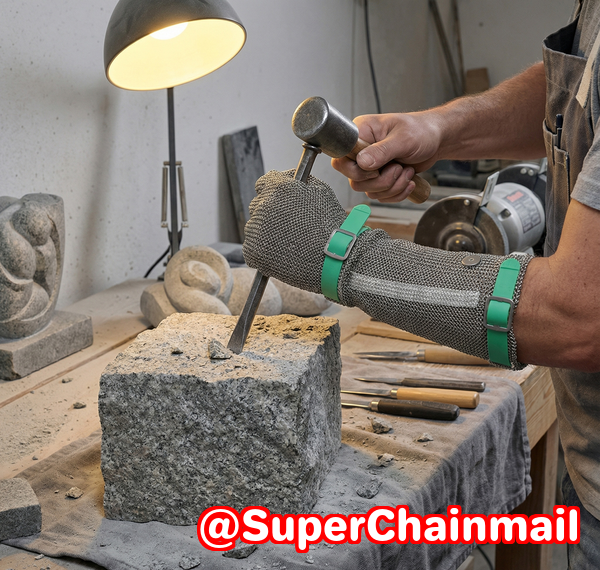
But fear not! In this article, I’ll break down how you can evaluate the true quality of chainmail and what factors to consider when choosing between products. With these tips in hand, you’ll be well-equipped to identify the best, most durable options for your needs, ensuring both safety and longevity in your purchase.
Common Pitfalls When Evaluating Chainmail
While chainmail is an incredibly useful and durable material, there are a few common pitfalls that buyers often encounter. Whether you’re a collector, an industrial user, or a cosplayer, these issues can make the difference between a safe investment and an unfortunate purchase.
1. Distinguishing Welded Rings from Open Rings
One of the first challenges you’ll encounter when evaluating chainmail is understanding the difference between welded rings and open rings. Welded rings are the hallmark of high-quality chainmail because they provide a much stronger, more durable connection. On the other hand, open rings can be easily pulled apart and lead to a weaker structure, which can be dangerous, especially in protective chainmail used in industrial settings.
2. Uncertainty About Stainless Steel Grades
When buying chainmail for its protective properties, the material quality is paramount. Stainless steel is the most common material for chainmail due to its resistance to corrosion and rust, but not all stainless steel is created equal. The two most common grades used in chainmail are 304 and 316 stainless steel. While both offer great resistance to corrosion, 316 stainless steel is a better option for environments exposed to harsher conditions, like marine or food processing industries.
3. Weak or Inconsistent Weaves
Chainmail weaves, like the European 4-in-1, are crucial to the durability and strength of the product. However, not all weaves are created equal. Some weaves are looser or inconsistent, making them less effective at distributing force and providing proper protection. A poorly executed weave can leave gaps and cause areas of weakness in the chainmail, reducing its overall effectiveness.
How to Inspect and Evaluate Chainmail Quality
With these challenges in mind, let’s dive into how to evaluate chainmail quality and make an informed decision when purchasing. By following these simple steps, you’ll be able to distinguish between high-quality, durable chainmail and products that may compromise safety or fail prematurely.
1. Inspect the Material: Choose the Right Stainless Steel
The material is one of the most important factors when assessing the quality of chainmail. Stainless steel chainmail is the preferred choice due to its excellent resistance to rust and corrosion. However, not all stainless steel is the same.
-
304 Stainless Steel: A popular choice for most chainmail, 304 stainless steel is cost-effective and provides excellent resistance to rust and corrosion in typical environments. It’s perfect for decorative chainmail or cosplay.
-
316 Stainless Steel: Known for its superior resistance to corrosion, particularly in harsh environments (like food processing or marine industries), 316 stainless steel is the better option for industrial or high-performance chainmail.
2. Check for Welded Rings
The next thing to check is whether the rings are welded or open. Welded rings are significantly stronger than open rings, and they ensure that your chainmail won’t fall apart under stress.
-
Welded Rings: Look for rings that appear seamless and smooth around the edges. If you notice any gaps or irregularities, it’s likely the rings are not welded.
-
Open Rings: These are cheaper to produce but much less durable. You should avoid these for industrial or protective uses, as they can easily come apart.
3. Evaluate Ring Thickness and Diameter
The thickness of the wire used for the rings plays a big role in the durability of the chainmail. Thicker rings offer greater protection but can be more cumbersome and expensive. The inner diameter of the rings also mattersif the diameter is too large or too small, the weave won’t function as effectively.
-
Wire Thickness: Make sure the wire is thick enough to resist cutting or breaking under pressure.
-
Ring Diameter: The ideal diameter will depend on the specific weave pattern, but generally, a smaller diameter is better for creating a denser, more protective weave.
4. Assess the Weave Pattern
The weave pattern is another critical aspect of chainmail quality. The European 4-in-1 weave is one of the strongest and most commonly used weaves for both protective and decorative chainmail. The key to evaluating a weave is ensuring it’s consistent and tight.
-
European 4-in-1 Weave: In this pattern, each ring is connected to four others, creating a balanced and strong structure. Inspect the rings to ensure they’re evenly interwoven and not too loose.
-
Other Weaves: While 4-in-1 is the most popular, there are other types of weaves like 6-in-1 or 8-in-1 that may offer greater protection. However, be cautiousless common weaves may not be as durable or may not distribute force as effectively.
Why Proper Chainmail Inspection Matters
So, why does it matter if you take the time to inspect your chainmail thoroughly? There are a few key reasons that go beyond just saving money.
1. Safety and Durability
If you plan to use chainmail for industrial purposes, like cut-resistant gloves or protective aprons, inspecting the quality ensures you’re not compromising safety. Low-quality chainmail can break down quickly, leading to potential injuries. By ensuring the rings are welded and the material is high-grade stainless steel, you’re investing in long-lasting protection.
2. Avoiding Poor Craftsmanship
Chainmail for cosplay or decoration may not need to withstand the same rigorous conditions as industrial-grade pieces, but that doesn’t mean you should settle for poor craftsmanship. A poorly made chainmail shirt can fall apart or fail to provide the aesthetic you desire for a historical reenactment or cosplay. Proper inspection will help you avoid these issues.
3. Saving Money
By identifying low-quality chainmail upfront, you avoid wasting money on products that won’t meet your needs. Whether you’re buying chainmail for industrial use or a cosplay costume, the last thing you want is to make an expensive purchase that doesn’t hold up.
Conclusion: Make Informed Chainmail Purchases
In summary, evaluating chainmail quality is crucial for making an informed, safe purchase. By inspecting the material, checking for welded rings, evaluating wire thickness, and assessing the weave pattern, you can ensure that your chainmail purchase is both durable and effective. I highly recommend following these steps to ensure any chainmail purchase meets safety and durability standards.
Want to learn more? Check out our detailed chainmail inspection guide at Aegimesh Chainmail.
FAQ
1. How can I tell if a chainmail ring is welded or open?
Look closely at the edges of the rings. Welded rings will appear smooth and seamless, while open rings will have visible gaps or rough edges.
2. Which stainless steel grade is best for long-lasting chainmail?
316 stainless steel is best for long-lasting, durable chainmail, especially for industrial or marine environments. 304 stainless steel is sufficient for decorative or cosplay chainmail.
3. How do I inspect the weave pattern for strength?
Look for a tight and consistent weave. The European 4-in-1 pattern is one of the strongest, and the rings should be evenly interwoven with no loose gaps.
4. What are the signs of low-quality or unsafe chainmail?
Look for open rings, inconsistent weave patterns, thin wire, or signs of rust and corrosion. These are all indicators of poor-quality or unsafe chainmail.
5. Can decorative chainmail be used for protective purposes?
It depends on the grade of the material and the weave. For protective chainmail, you need welded rings, thicker wire, and a durable weave, such as the European 4-in-1.
6. How do I choose the right chainmail for industrial vs cosplay use?
For industrial use, prioritize welded rings, thicker wire, and 316 stainless steel. For cosplay, you can use 304 stainless steel with a decorative weave like 4-in-1.
Tags/Keywords:
chainmail quality, welded rings, stainless steel chainmail, cut-resistant chainmail, chainmail inspection, European 4-in-1 weave, chainmail durability