Chainmail Boleros for Wet and Slippery Environments: How to Ensure Safety, Durability, and Quality
When you’re working in wet, slippery environmentswhether it’s a food-processing plant, a rainy cosplay event, or even during historical reenactmentschainmail can provide essential protection. But with so many products on the market, how can you be sure you’re getting the quality you need? As a buyer, collector, or professional user, this question often arises: “How do I tell if the chainmail I’m considering is genuinely durable, safe, and up to the task?”
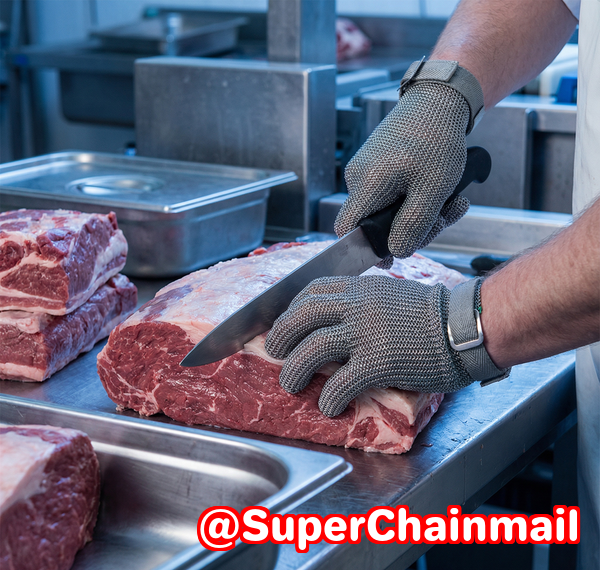
It’s easy to feel overwhelmed. After all, chainmail is both an art form and a piece of safety gear, and there’s a lot riding on getting it right. In this article, I’ll walk you through how to spot high-quality chainmail, specifically boleros designed for wet or slippery environments. I’ll cover common pain points, guide you through the inspection process, and provide real-life tips to help you avoid purchasing low-quality chainmail that could compromise your safety or leave you disappointed.
Common Pain Points When Evaluating Chainmail for Wet and Slippery Environments
1. Difficulty Distinguishing Welded Rings from Open Rings
One of the most common mistakes I see is when people confuse welded rings with open rings. In chainmail, the difference between these two can mean the difference between a product that will last and one that might fall apart after minimal use. Open rings are often cheaper and less durable. In wet conditions, they can even open up under pressure, rendering your protection useless.
2. Uncertainty About Stainless Steel Grades and Corrosion Resistance
Stainless steel is the preferred material for chainmail due to its resistance to rust and corrosion. But not all stainless steel is created equal. Most chainmail is made from either 304 or 316 stainless steel. While 304 is good for general use, 316 stainless steel offers superior resistance to corrosion, especially in environments exposed to moisture or chemicals. If you’re working around water, this could be a make-or-break factor.
3. Weak or Inconsistent Weaves
The weave pattern plays a crucial role in the strength and flexibility of chainmail. For environments that are wet or slippery, the strength of the weave is key. A European 4-in-1 weave, for example, is known for its durability and resistance to tearing. Weaves that are improperly made or too loose might break apart when you need them most.
How to Inspect Chainmail Quality: The Aegimesh Method
I understand how confusing it can be to evaluate chainmail. That’s why I’ve created a straightforward guide to help you make sure you’re buying the best quality. Here’s how you can check for the key factors:
1. Material Type: 304 vs 316 Stainless Steel
Before you even touch the chainmail, check the material. This is one of the easiest ways to ensure you’re getting a durable product. 304 stainless steel is common and works well for most uses, but it’s not ideal for wet or highly corrosive environments.
On the other hand, 316 stainless steel is specifically designed to resist corrosion in harsh environments. It’s more expensive, but for anyone dealing with wet, slippery conditionswhether in industrial work, food handling, or even cosplay in the rainit’s worth the extra investment.
2. Ring Type: Welded vs Open Rings
To check the ring type, take a close look at the edges. Welded rings will have a smooth, closed edge, while open rings will look like they’ve been squeezed shut but not fully joined.
The advantage of welded rings is clear: they stay intact under pressure, even in wet conditions. Open rings, on the other hand, are more likely to open up and compromise the integrity of the chainmail. This is especially important if you’re planning to wear the chainmail in environments where durability is crucial, like in food handling or industrial work.
3. Wire Thickness and Inner Diameter
Next, consider the wire thickness and the inner diameter of the rings. This affects both the flexibility and the strength of the chainmail. If the rings are too thin, they might bend or deform under pressure. If they’re too large in diameter, the weave can become loose, compromising protection.
I recommend looking for thicker wire and smaller ring diameters for greater durability, especially in environments where you’re dealing with sharp objects or extreme conditions.
4. Weave Pattern: European 4-in-1
When it comes to strength, the European 4-in-1 weave is one of the most reliable choices. This weave features each ring connecting to four others, creating a tight, interlocking pattern that provides exceptional protection against cuts and impacts. If you’re in an industrial or food-processing setting, this weave is ideal because it resists tearing and holds up under stress.
Benefits of Proper Chainmail Inspection
You might wonder, “Why go through all this trouble?” Here’s why it’s worth the effort:
-
Avoid Unsafe Chainmail: A quick inspection can prevent you from purchasing chainmail that will fail during use, especially in environments where safety is a concern, like food handling or industrial tasks.
-
Ensure Long-Lasting Durability: Properly inspecting chainmail ensures it can withstand wear and tear, especially when exposed to moisture and other environmental factors.
-
Save Money: By spotting low-quality chainmail, you save yourself the hassle and cost of replacing items that break too quickly.
-
Make Informed Purchases: Knowing exactly what to look for helps you make an informed decision, whether you’re buying for practical use, cosplay, or a collectible piece.
Practical Tips: How to Inspect Your Chainmail
Let’s break it down into practical steps:
-
Perform a Pull Test: Give the rings a gentle pull to test the welds. If you hear a squeak or see any movement between the rings, it’s likely a sign of poor quality.
-
Look for Corrosion: Stainless steel is resistant to rust, but if you see any pitting, discoloration, or residue, this is a sign of low-quality material or poor manufacturing.
-
Inspect the Craftsmanship: Poor craftsmanship can show up in uneven ring sizes, inconsistent weaving, or loose rings. Always inspect your chainmail closely to avoid these issues.
-
Know Your Use Case: Finally, remember to choose your chainmail based on its intended use. For instance, industrial cut-resistant chainmail should meet specific standards, while cosplay chainmail might not need to be as robust.
Conclusion: Ensuring the Best Chainmail for Wet and Slippery Environments
In conclusion, buying chainmail for wet and slippery environments doesn’t have to be a gamble. By following the inspection methods I’ve sharedchecking the material, welds, wire thickness, and weave patternyou can make sure you’re getting a product that’s safe, durable, and designed for your specific needs.
I highly recommend following these steps to ensure any chainmail purchase meets safety and durability standards. Whether you’re in the food industry, working in dangerous conditions, or simply adding to your cosplay wardrobe, a high-quality chainmail bolero is an investment in both protection and longevity.
Want to learn more about identifying high-quality chainmail?
Check out our detailed chainmail inspection guide today at Aegimesh.
FAQs: Your Chainmail Questions Answered
1. How can I tell if a chainmail ring is welded or open?
Look closely at the edges of the ring. A welded ring will have smooth, continuous edges with no visible opening, while an open ring will have a small gap where the ends meet.
2. Which stainless steel grade is best for long-lasting chainmail?
316 stainless steel is the best choice for environments where corrosion is a concern, such as wet or industrial settings. It offers superior rust resistance compared to 304 stainless steel.
3. How do I inspect the weave pattern for strength?
Check the pattern closely. A European 4-in-1 weave is ideal for strength and durability, as each ring interlocks with four others, creating a strong and resilient weave.
4. What are the signs of low-quality or unsafe chainmail?
Look for signs of poor craftsmanship like uneven rings, visible gaps, rust spots, or weak welds. Low-quality chainmail will often have rings that move or pull apart too easily.
5. Can decorative chainmail be used for protective purposes?
While decorative chainmail might look great, it may not offer the durability or protection needed for safety-critical environments. Always choose chainmail designed for your specific purpose, like industrial or food-processing chainmail.
6. How do I choose the right chainmail for industrial vs cosplay use?
For industrial use, look for thicker wire, smaller rings, and a durable weave like European 4-in-1. For cosplay, the weave can be looser, and lighter materials might suffice, but durability and comfort should still be considered.
Keywords: chainmail quality, welded rings, stainless steel chainmail, cut-resistant chainmail, chainmail inspection, European 4-in-1 weave, chainmail durability