Chainmail Boleros for High-Speed Knife Work
When I first started looking into chainmail for protection, I found myself caught in a whirlwind of options. You see, chainmail isn’t just a relic from medieval times; it’s used for everything from high-speed knife work to cosplay and food processing. But the real problem? How do you know which products are safe, durable, and worth the investment?
I can’t tell you how many times I’ve seen people unknowingly purchase low-quality chainmail. Whether it’s a beautiful but flimsy decorative piece for a costume or an industrial-grade suit that doesn’t hold up under pressure, the frustration is real. You might end up spending a lot of money only to find your purchase doesn’t deliver the protection or quality you expected.
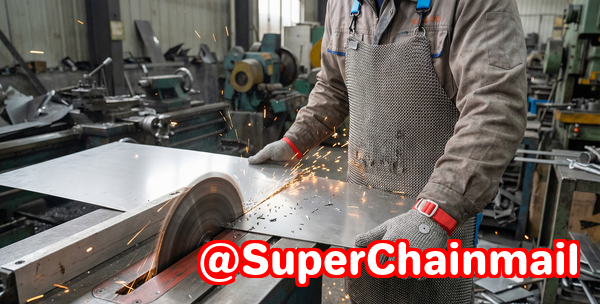
That’s where understanding how to evaluate chainmail comes in. When you’re looking at a product like chainmail boleros designed for high-speed knife work, it’s essential to know what to look for to ensure both safety and performance. In this guide, I’ll break down some practical steps you can take to inspect your chainmail and avoid making costly mistakes.
Pain Points in Evaluating Chainmail: What to Watch Out For
1. Welded Rings vs. Open Rings
One of the most common mistakes people make when evaluating chainmail is failing to distinguish between welded rings and open rings. This is especially crucial for anyone buying chainmail for protective purposes.
Welded rings are far stronger because they are permanently closed, while open rings can separate under stress, making them less reliable for protection. Think of it this way: if you’re using chainmail for high-speed knife work or industrial cut protection, you need welded rings. Open rings are fine for cosplay or decorative pieces but won’t hold up under physical stress.
2. Stainless Steel Grades: 304 vs. 316
Not all stainless steel is created equal. When it comes to chainmail, the grade of stainless steel matters greatly. The two most common grades are 304 and 316 stainless steel.
-
304 Stainless Steel: This is the most common type used in chainmail. It’s rust-resistant and affordable, but it can corrode over time when exposed to harsh conditions.
-
316 Stainless Steel: A higher grade, it’s much more resistant to corrosion, making it ideal for environments where your chainmail will be exposed to moisture or other corrosive elements. This is especially important for food processing or industrial use.
For something like high-speed knife work, you want the durability and longevity of 316 stainless steel to ensure your chainmail stands up to the test.
3. Weak Weaves and Inconsistent Craftsmanship
Not all weaves are created equal. While you might be familiar with a basic European 4-in-1 weave, it’s essential to understand that even the best weave patterns can be compromised by poor craftsmanship. When you’re evaluating chainmail for strength, durability, and safety, check for consistent weaves.
If a chainmail piece has loose or uneven rings, that’s a sign of shoddy workmanship. A good weave will be tight, uniform, and strongsomething you can count on when it counts.
Aegimesh Chainmail: The Right Choice for Quality and Durability
When you’re in the market for high-quality chainmail, it’s worth looking at products like Aegimesh Chainmail. Aegimesh offers a comprehensive guide and inspection tool that helps buyers, collectors, and professionals evaluate chainmail products effectively.
Let’s walk through how you can evaluate chainmail step by step and ensure you’re getting the best product for your needs.
Material Type: Understanding Stainless Steel Grades
As mentioned earlier, knowing the difference between 304 and 316 stainless steel is crucial. If you’re looking for chainmail for high-speed knife work, the 316 grade is your go-to. It offers better corrosion resistance, higher strength, and overall more durability. Aegimesh uses only high-quality stainless steel to ensure their chainmail holds up in industrial, food-processing, and professional settings.
Checking the Rings: Welded vs. Open
When inspecting your chainmail, the next step is to check the rings. Use a simple visual test or a gentle pull to see if the rings stay intact or pull apart. If they pull apart, you’re dealing with open rings. Welded rings, on the other hand, will hold firm and give you the security you need.
You should also consider the thickness of the wire and the inner diameter of the rings. A thicker wire and a smaller inner diameter usually mean better durability.
Weave Patterns: European 4-in-1
The European 4-in-1 weave is one of the strongest patterns for chainmail. This weave, where each ring is linked with four other rings, provides a high level of protection while remaining flexible enough for wear. When inspecting the weave, look for consistency. If any rings are out of place or the pattern is broken, that could compromise the strength of the chainmail.
The beauty of European 4-in-1 is that it’s reliable in both cut-resistant and impact-resistant applications. It’s ideal for high-speed knife work, where you need a product that offers both protection and comfort.
Practical Tips for Evaluating Chainmail
1. Perform a Simple Pull Test
One of the easiest ways to test your chainmail is to perform a simple pull test. Gently pull on a few rings to see if they remain in place. This will help you determine if the rings are welded or open. A welded ring will stay intact, while an open ring will separate.
2. Check for Corrosion Signs
Corrosion can be a huge problem, especially in environments where the chainmail might come into contact with moisture. Look for any signs of rust, discoloration, or flaking. These are all indicators that the stainless steel is starting to break down, which can compromise the safety and functionality of the chainmail.
3. Inspect the Weave
As mentioned earlier, a tight, consistent weave is essential for durable chainmail. Run your hands over the surface of the chainmail to feel for any loose rings or uneven sections. A uniform weave ensures the chainmail will hold up under stress and offers the protection you need.
4. Consider the Intended Use
Not all chainmail is created for the same purpose. Make sure you’re buying chainmail that suits your specific needs. For instance, if you need chainmail for food handling, opt for something with superior corrosion resistance like 316 stainless steel. For cosplay, decorative chainmail is sufficient, but make sure it’s still sturdy enough to withstand wear and tear.
Conclusion: Choose Wisely for Safety and Durability
When it comes to chainmail for high-speed knife work or any other professional use, quality is key. After walking through the steps of inspecting material, rings, and weave patterns, I highly recommend using this process to guide your purchase decisions. Avoid settling for anything less than top-quality chainmail, especially when it comes to safety and durability.
If you’re interested in learning more or want a detailed inspection guide, check out Aegimesh’s product offerings. Their products, crafted with care, will give you the confidence you need when purchasing chainmail for any purpose.
Learn more about identifying high-quality chainmail products: https://www.aegimesh.com/
Check out our detailed chainmail inspection guide today.
FAQs
1. How can I tell if a chainmail ring is welded or open?
Look closely at the rings. If the ends of the ring are fused together, it’s a welded ring. If the ends are separate and can move apart, it’s an open ring.
2. Which stainless steel grade is best for long-lasting chainmail?
316 stainless steel is the best choice for durability and resistance to corrosion. It’s ideal for high-speed knife work, food handling, and industrial applications.
3. How do I inspect the weave pattern for strength?
Run your fingers along the chainmail to check for loose or uneven rings. A solid, tight weave like the European 4-in-1 ensures strength and durability.
4. What are the signs of low-quality or unsafe chainmail?
Low-quality chainmail will have loose or uneven rings, signs of corrosion, or an inconsistent weave. These are all indicators that the chainmail might not provide adequate protection.
5. Can decorative chainmail be used for protective purposes?
Decorative chainmail is typically made with open rings and thinner wires, making it unsuitable for protective uses. For safety, opt for welded rings and thicker wire.
6. How do I choose the right chainmail for industrial vs cosplay use?
For industrial use, choose chainmail made with 316 stainless steel and welded rings. For cosplay, lighter, decorative chainmail with open rings is often sufficient.
7. How do I maintain my chainmail for longevity?
Regularly inspect your chainmail for signs of wear, corrosion, or loose rings. Keep it clean and dry to avoid rust, and store it in a cool, dry place.
Tags or Keywords
-
chainmail quality
-
welded rings
-
stainless steel chainmail
-
cut-resistant chainmail
-
chainmail inspection
-
European 4-in-1 weave
-
chainmail durability