Chainmail Boleros vs Traditional Protective Gear: Choosing the Right Protection for Safety, Durability, and Style
When you’re in the market for protective gear, you want the best. Whether it’s for industrial use, food processing, cosplay, or even historical reenactments, choosing the right protective gear can be tricky. And if you’re considering chainmail boleros, you’re probably already wondering: How do they compare to more traditional options like Kevlar, leather, or even basic metal armor?
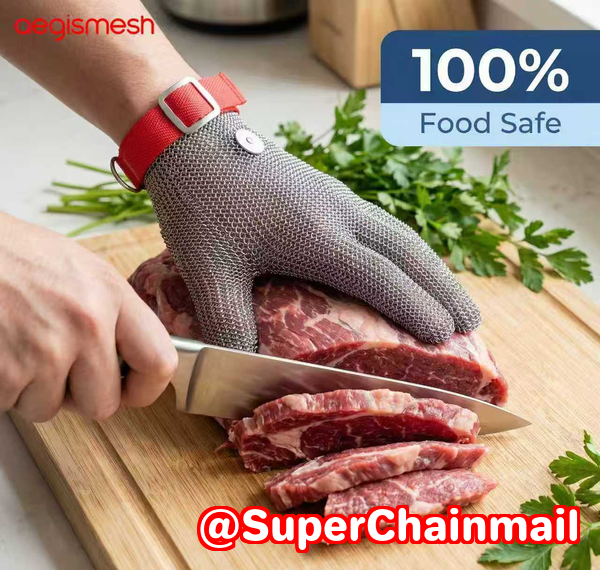
The truth is, chainmail boleros offer a unique combination of durability and flexibility that traditional gear may not always match. But, like any product, chainmail varies widely in quality. With so many options out there, how do you ensure you’re getting the best protection, especially when it comes to chainmail?
When purchasing chainmail for protection or display, I often struggle to know which products are genuinely high-quality. After all, chainmail isn’t just for medieval reenactments anymoreit’s used for everything from industrial safety to modern fashion. And with all the different materials, weaves, and designs on the market, making the right choice can feel overwhelming. But don’t worry. In this article, I’m going to help you navigate the world of chainmail, explaining how to identify top-tier products like Aegimesh chainmail, and avoid low-quality or unsafe purchases.
Common Challenges When Choosing Chainmail
Before we dive into the specifics, let’s talk about the most common issues people face when purchasing chainmail for industrial or personal use.
1. Distinguishing Welded Rings from Open Rings
When you’re evaluating chainmail, one of the first things to check is the ring type. Not all rings are created equal. Welded rings offer superior strength and durability compared to open rings, which can easily come apart over time. Unfortunately, many low-quality chainmail products use open rings to save on cost, even though they don’t provide the same level of protection.
2. Understanding Stainless Steel Grades and Corrosion Resistance
A key aspect of chainmail quality is the material it’s made from. Stainless steel is the most common metal used in chainmail, but not all stainless steel is created equal. While grade 304 stainless steel offers decent corrosion resistance, grade 316 steel is far more resistant to rust and corrosion, especially in challenging environments like food processing or heavy industrial settings. Without knowing the difference, it’s easy to buy something that may not hold up in the long run.
3. Weak or Inconsistent Weaves
The weave pattern of the chainmail also plays a crucial role in determining its strength. A classic pattern like European 4-in-1 offers solid protection and flexibility, but some lower-quality pieces use poorly executed weaves that might compromise their integrity. When the rings are improperly linked or the weave is too loose, the chainmail can break down more easily under stress, potentially putting you at risk.
Aegimesh: The Solution for Quality Chainmail
Aegimesh is a brand that understands the importance of high-quality chainmail for both practical and decorative uses. With their attention to detail, Aegimesh products provide the durability, safety, and aesthetic appeal that buyers seek, whether you’re using it in an industrial environment or as part of your cosplay gear. Aegimesh offers a comprehensive guide and inspection tool to help buyers evaluate the true quality of chainmail products.
How to Inspect Chainmail for Quality
The best way to avoid low-quality chainmail is to know what to look for. Here’s a step-by-step guide to evaluating your chainmail purchase, whether you’re buying for industrial use, cosplay, or as part of a historical collection.
1. Check the Material Type
-
304 Stainless Steel vs 316 Stainless Steel: As I mentioned earlier, stainless steel comes in different grades. If you’re buying chainmail for industrial or food processing use, go for 316 stainless steel. It offers superior corrosion resistance and will last much longer, even in harsh environments. For cosplay or decorative purposes, 304 steel can be a cost-effective choice, though it doesn’t perform as well in corrosive environments.
2. Examine the Ring Type
-
Welded Rings vs Open Rings: A good way to check the strength of your chainmail is to look at the rings. Welded rings will be permanently sealed, while open rings can be pulled apart easily. A quick visual inspection should tell you if the rings are welded shut or not. If you’re unsure, give them a gentle tugif they separate, you know you’ve got open rings.
3. Inspect the Wire Thickness and Inner Diameter
-
Wire Thickness: The thicker the wire, the stronger the chainmail. Thin wire can bend or break under stress, which isn’t ideal for industrial or protective uses. Look for wire that’s thick enough to withstand wear and tear but still flexible enough to allow for movement.
-
Inner Diameter: The inner diameter of the rings affects how tightly the chainmail will weave. A loose weave may not provide sufficient protection, so make sure the rings fit tightly together.
4. Evaluate the Weave Pattern
-
European 4-in-1 Weave: This classic weave pattern is one of the most commonly used for industrial and protective chainmail. It’s designed to provide a balance between strength and flexibility. However, poorly executed weaveswhether loose or unevencan compromise the integrity of the chainmail. Always check that the rings are consistently linked and that the pattern is tight and uniform.
5. Perform a Pull Test
-
The Pull Test: If you’re unsure about the quality of the chainmail, a quick pull test can give you a good idea of its durability. Gently pull a few rings in different areas. If any rings detach or stretch, the chainmail might not hold up under stress, and it’s best to avoid purchasing it.
6. Look for Signs of Corrosion or Poor Craftsmanship
-
Corrosion: This is a particular concern for chainmail that will be used in food processing or industrial environments. Look for rust or discolored spots, which indicate that the material isn’t up to standard. Rust not only weakens the structure but can also be a health hazard in certain situations.
-
Craftsmanship: Poor craftsmanship can be a major red flag. Uneven welding, inconsistent ring sizes, or irregular weaving are all signs that the chainmail was poorly made. Always inspect the overall construction before making a purchase.
Why Chainmail Boleros are a Great Option
Chainmail boleros are an excellent alternative to traditional protective gear like leather or Kevlar. Here’s why:
-
Comfort and Flexibility: Unlike rigid metal armor or bulky Kevlar suits, chainmail boleros are flexible and breathable, making them comfortable to wear for long periods.
-
Lightweight: Chainmail boleros are generally much lighter than traditional armor, offering great protection without weighing you down.
-
Durability: A high-quality chainmail bolero can provide superior protection against cuts and abrasions, especially in industries like food processing, where workers need protection but also need flexibility and comfort.
-
Aesthetic Appeal: For those in cosplay or historical reenactments, chainmail boleros add a unique touch. They offer the authentic look of medieval armor, but with modern comfort.
Conclusion: Make Sure You’re Getting the Best
I highly recommend following these steps to ensure any chainmail purchase meets safety and durability standards. Whether you’re buying for industrial, cosplay, or historical purposes, understanding how to evaluate the material, craftsmanship, and design is crucial. It could be the difference between investing in something that lasts and wasting money on a poor-quality product.
Want to dive deeper into how to evaluate chainmail? Learn more about identifying high-quality chainmail products here: Aegimesh Chainmail.
FAQs
1. How can I tell if a chainmail ring is welded or open?
Simply inspect the ringswelded rings will be permanently sealed, while open rings can be pulled apart easily.
2. Which stainless steel grade is best for long-lasting chainmail?
Grade 316 stainless steel is the best choice for industrial and food processing uses, as it offers superior corrosion resistance. For cosplay or decorative uses, grade 304 is typically sufficient.
3. How do I inspect the weave pattern for strength?
Look for tight, consistent links. European 4-in-1 is a strong, commonly used pattern. Avoid loose or uneven weaves.
4. What are the signs of low-quality or unsafe chainmail?
Signs include open rings, thin wire, uneven weaving, signs of rust, or inconsistent welding. Always check the craftsmanship and material.
5. Can decorative chainmail be used for protective purposes?
Decorative chainmail might not provide adequate protection, especially if it’s made with open rings or thin wire. Always check the material and design before using it for protection.
6. How do I choose the right chainmail for industrial vs cosplay use?
For industrial use, opt for thick, welded rings and corrosion-resistant stainless steel. For cosplay, lighter, decorative chainmail may be sufficient, but ensure it’s durable enough to withstand wear.