Chainmail Boleros for Professional Butchers: A Comprehensive Guide to Evaluating Quality and Durability
When you’re in the market for chainmailwhether for safety, display, or historical accuracyit can be overwhelming to know what to look for. As a professional butcher, you need protective gear that can handle the rigors of your job without compromising safety or comfort. The last thing you want is to invest in low-quality chainmail that doesn’t meet your standards, leaving you exposed to unnecessary risks. And when you’re a collector or a cosplayer, you also want to ensure that your chainmail is not just visually appealing but built to last.
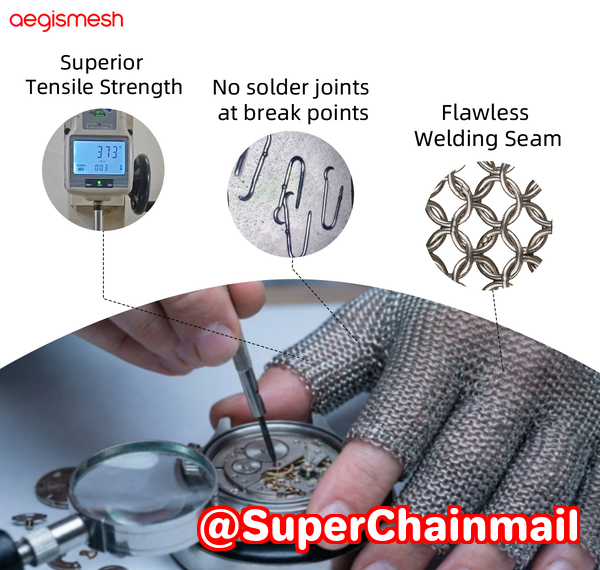
In this guide, I’ll walk you through the essential steps for identifying high-quality chainmail. From distinguishing welded rings to assessing the strength of weaves and understanding material grades, we’ll cover everything you need to know to make an informed purchasewhether you’re buying for industrial use, cosplay, or simply adding to your collection.
Common Pain Points When Buying Chainmail
If you’ve ever shopped for chainmail, you know how difficult it can be to distinguish between genuine, durable chainmail and low-quality imitations. Some of the most common pain points include:
-
Welded Rings vs. Open Rings: Many chainmail products are advertised as “genuine,” but they may feature open rings or poorly welded rings, which weaken the structure and decrease durability.
-
Uncertainty About Stainless Steel Grades: Not all stainless steel is created equal. There’s often confusion around which grade304 or 316is best for the specific type of chainmail you need. This affects both corrosion resistance and overall strength.
-
Weak or Inconsistent Weave Patterns: The weave pattern plays a significant role in the overall durability of the chainmail. However, inconsistent weaves or poorly executed patterns can reduce the chainmail’s protective abilities.
Thankfully, with a little knowledge, you can easily avoid these issues and find chainmail that meets your safety and durability requirements. Let’s dive into the essential steps for inspecting and evaluating chainmail products.
Step-by-Step Guide to Chainmail Inspection
1. Inspecting the Material: Stainless Steel Grades 304 vs. 316
When it comes to chainmail, material quality is non-negotiable. The two most commonly used grades of stainless steel in chainmail are 304 and 316. Understanding the difference between these two can help you choose the right option for your needs.
-
304 Stainless Steel is corrosion-resistant but not as effective in harsh environments as 316. It’s suitable for general use, including decorative chainmail, but may not stand up as well in food-processing environments or areas with high exposure to moisture.
-
316 Stainless Steel is a superior option when it comes to durability and corrosion resistance. This grade is ideal for environments where chainmail will be exposed to moisture or chemicalslike in the food industry or industrial applications where safety is critical.
Tip: Always check the material specifications when buying chainmail. Aegimesh products, for example, use high-quality stainless steel to ensure longevity and durability, especially in food-handling and industrial environments.
2. Checking the Ring Construction: Welded vs. Open Rings
One of the easiest ways to evaluate the quality of chainmail is by checking the rings. There are two main types:
-
Welded Rings: These rings are fused together at the seam, creating a seamless and incredibly strong bond. Welded rings add to the chainmail’s overall strength and resistance to wear and tear.
-
Open Rings: These rings are simply bent to connect, leaving a gap. While they may look fine for decorative purposes, they’re not as durable or protective as welded rings. Open rings are more prone to breaking or coming apart with use.
Practical Tip: You can check if the rings are welded by gently pressing along the seam. A welded ring will feel solid, whereas an open ring will have a visible gap and may feel flimsy.
3. Evaluating the Wire Thickness and Ring Diameter
The thickness of the wire and the diameter of the rings are crucial for ensuring strength and durability. Thicker wire and smaller ring diameters typically make for stronger chainmail, but this can vary depending on the intended use. For example:
-
Thicker wire: Provides more durability and better protection against cuts or abrasions.
-
Smaller ring diameter: Offers more coverage and may provide better protection, especially for chainmail boleros or gloves that are intended for industrial use or food processing.
Tip: For a professional butcher’s chainmail, you’ll want to ensure that the wire thickness and ring diameter are optimal for your specific needsneither too thin nor too large to leave gaps in the protection.
4. Assessing the Weave Pattern: European 4-in-1 for Strength
One of the most common and reliable weave patterns used in chainmail is the European 4-in-1 weave. This pattern is known for its balance of flexibility and strength. Each ring interlocks with four others, providing a stable and secure structure that can withstand high stress.
Tip: When inspecting the weave, look for evenness and consistency in the interlocking rings. If the rings are misaligned or irregular, it could signal poor craftsmanship that compromises the strength of the chainmail.
5. Performing the Pull Test
To ensure that your chainmail is durable and properly constructed, perform a simple pull test. Gently tug on a section of the chainmail to test its flexibility and resistance to force. High-quality chainmail should not stretch excessively or break apart easily.
Tip: If any rings begin to come loose or separate during the pull test, this is a clear sign that the chainmail is not up to professional standards.
6. Identifying Signs of Corrosion or Poor Craftsmanship
If you’re buying chainmail for food processing or industrial use, you need to ensure that it’s resistant to corrosion. Corrosion can weaken the material, making it unsafe for work environments where hygiene and durability are critical.
Signs to look for include:
-
Rust or discoloration: This can be a sign that the material is inferior or hasn’t been properly treated for corrosion resistance.
-
Brittle or weak rings: These could snap under pressure, leaving you vulnerable to cuts.
Choosing the Right Chainmail for Your Needs
Whether you’re purchasing chainmail for industrial cut protection, cosplay, or historical reenactments, it’s important to choose the right product for your specific needs. Here are some general guidelines:
-
Industrial/Professional Use: Look for chainmail made from 316 stainless steel, with welded rings and a European 4-in-1 weave pattern. Ensure that the wire thickness and ring diameter are appropriate for the type of work you’ll be doing.
-
Cosplay or Display: Decorative chainmail can be made from 304 stainless steel or even aluminum. While this is fine for show purposes, it’s not suitable for actual protection.
-
Historical Replicas or Collectibles: If you’re collecting or recreating historical pieces, make sure the chainmail accurately reflects the traditional materials and techniques used.
Conclusion: Make Informed Choices with Aegimesh Chainmail
By following these inspection steps, you can ensure that the chainmail you purchase meets the necessary safety, durability, and aesthetic standards. I highly recommend always taking the time to inspect material, welds, wire thickness, and weave patterns before making a purchase.
Whether you’re a professional butcher, a collector, or someone who enjoys cosplay, high-quality chainmail is worth the investment. It ensures safety, longevity, and peace of mind. For more information on identifying the best chainmail products, be sure to check out our detailed chainmail inspection guide.
Frequently Asked Questions (FAQ)
1. How can I tell if a chainmail ring is welded or open?
-
Gently press along the seam of the ring. Welded rings should feel solid and seamless, while open rings will have a noticeable gap.
2. Which stainless steel grade is best for long-lasting chainmail?
-
For maximum durability and corrosion resistance, choose 316 stainless steel. It’s ideal for industrial, food-processing, and high-moisture environments.
3. How do I inspect the weave pattern for strength?
-
Look for a uniform European 4-in-1 weave. Ensure the rings interlock evenly and securely, with no misaligned or poorly connected rings.
4. What are the signs of low-quality or unsafe chainmail?
-
Look for rust, weak or open rings, poor craftsmanship, and an inconsistent weave. These are signs that the chainmail may not provide adequate protection.
5. Can decorative chainmail be used for protective purposes?
-
Decorative chainmail is generally made from lighter materials like aluminum and is not suitable for protection. For industrial or food-processing use, always choose welded, stainless steel chainmail.
6. How do I choose the right chainmail for industrial vs. cosplay use?
-
For industrial use, opt for 316 stainless steel with welded rings and a strong, even weave. For cosplay, decorative aluminum or 304 stainless steel is sufficient.
Tags or Keywords:
-
chainmail quality, welded rings, stainless steel chainmail, cut-resistant chainmail, chainmail inspection, European 4-in-1 weave, chainmail durability