How Chainmail Boleros Reduce Upper-Body Injuries
When it comes to safety in industrial workspaces or even during medieval reenactments, one thing is clear: protecting your body, especially the upper torso, is crucial. One piece of armor that has stood the test of time and is still relevant today is the chainmail bolero. But how do you choose the right one to ensure it truly provides the protection you need? Let’s dive into the common problems buyers face when choosing chainmail and how you can avoid these pitfalls by properly inspecting products like Aegimesh chainmail.
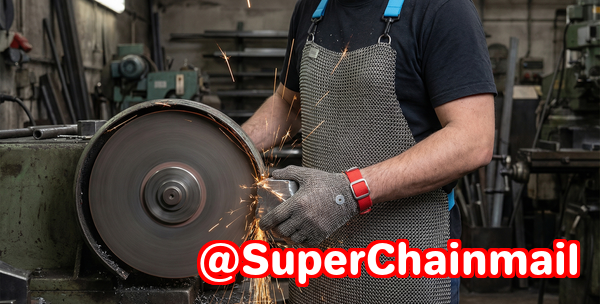
The Struggle of Identifying High-Quality Chainmail
If you’re anything like me, you’ve probably been in a situation where you’re staring at a chainmail bolero, trying to figure out if it’s the real deal. Does it offer the protection it claims, or is it a poorly made imitation? For many buyers, whether you’re looking for industrial protection, a cosplay costume, or a historical replica, the challenge of distinguishing high-quality chainmail from lower-quality or unsafe versions is real.
Maybe you’ve bought something that looked great at first but turned out to be fragile or prone to rust. Or perhaps you’ve been on the fence about buying chainmail because you just aren’t sure what to look for. The good news is, you’re not aloneand I’m here to help you make an informed decision. Here’s how to inspect your chainmail bolero to ensure you’re getting the quality and durability you need.
Common Pain Points When Evaluating Chainmail
When it comes to buying chainmail, there are a few common issues that tend to come up. Let’s look at these problems and how to solve them so you can feel confident in your purchase.
1. Difficulty Identifying Welded Rings vs. Open Rings
One of the most common mistakes buyers make is confusing welded rings with open rings. It may seem like a small detail, but it’s crucial for durability. Welded rings are much stronger and safer than open rings, especially in industrial settings. Open rings, which are simply bent shut, can open over time and expose you to cuts or injuries.
How to Spot the Difference:
-
Welded Rings: Look closely at the ringwelded rings will have a smooth, seamless appearance with no gap.
-
Open Rings: You might see a slight opening in the ring where the ends are bent together.
2. Not Knowing the Right Stainless Steel Grade
Stainless steel is the material of choice for high-quality chainmail, but did you know there are different grades? Most chainmail is made from either 304 or 316 stainless steel, with 316 being the better option due to its higher resistance to corrosion.
Why Does This Matter?
-
304 Stainless Steel: While still durable, it’s prone to rust in high-moisture environments, making it less ideal for industrial use or food processing.
-
316 Stainless Steel: The gold standard for durability and rust resistance, perfect for industrial and food handling applications.
3. Weak or Inconsistent Weaves
The strength of chainmail lies in the pattern of the weave. One of the most popular and strongest weave patterns is the European 4-in-1 weave, which is used in many high-quality products.
Why It Matters:
-
Inconsistent Weaves: A poor-quality chainmail might have weak spots due to irregular weaving. These weak spots can compromise the protection the chainmail offers.
-
European 4-in-1 Weave: This weave consists of four rings passing through one, providing an excellent balance of flexibility and protection.
How to Inspect and Verify Quality
Now that we’ve covered the common pain points, let’s talk about how to inspect chainmail for quality. This is a simple, step-by-step guide to help you make sure you’re buying the best product possible.
1. Material Type (304 vs 316 Stainless Steel)
When inspecting chainmail, the first thing to look at is the material. 316 stainless steel is the most durable, corrosion-resistant option, making it ideal for both industrial use and high-quality cosplay or historical replicas.
How to Inspect:
-
Look for the product description or ask the seller if the chainmail is made from 316 stainless steel.
-
You may also be able to test for corrosion resistance by applying a small amount of water to the chainmail. If it rusts quickly, it’s likely 304 steel, not 316.
2. Check the Rings
Next, inspect the rings themselves. Are they welded or open? If they’re welded, the product is much stronger. Also, check the thickness of the wire and the inner diameter of each ring. Thicker wire and smaller inner diameters generally lead to a stronger, more durable product.
Simple Test:
-
Gently tug on the rings. If they bend or feel loose, it’s a sign that the rings may not be welded, or the wire might be too thin.
3. Examine the Weave Pattern
Take a close look at the weave pattern. The European 4-in-1 weave is the most durable, but other weaves can also be used depending on the application. If you’re looking for something for industrial use, like cut-resistant chainmail for food processing, make sure the weave is tight and uniform.
How to Examine:
-
Hold the chainmail up to a light. Look at the weave pattern closelythere should be a consistent and tight pattern of four rings passing through one.
4. Perform a Pull Test
For an extra layer of security, you can perform a pull test. Hold a section of the chainmail and gently pull it. If the rings shift or break easily, it’s a sign that the quality is poor.
5. Look for Signs of Corrosion or Poor Craftsmanship
Inspect the chainmail for any signs of rust or tarnishing. You also want to check the overall craftsmanship, such as sharp edges or uneven rings, which can be indicative of poor-quality manufacturing.
How to Inspect:
-
Run your fingers along the rings to check for sharp edges or irregularities.
-
If you see any rust spots or tarnishing, the chainmail is likely made from lower-quality steel or hasn’t been properly treated.
Why Proper Inspection Is So Important
By properly inspecting your chainmail before purchase, you avoid the risk of buying unsafe or fragile products. Whether you’re purchasing for industrial use, cosplay, or historical reenactments, ensuring the chainmail’s quality is key. A poorly made piece can put your safety at risk, while a high-quality chainmail bolero can provide superior protection against cuts, abrasions, and even some impact forces.
Conclusion: Make an Informed Purchase
In summary, inspecting chainmail is about looking for quality materials, solid craftsmanship, and the right weave pattern. I highly recommend following these steps to ensure that any chainmail you purchase meets safety and durability standards. Chainmail boleros are great for upper-body protection, but only if they are made to last.
Learn more about identifying high-quality chainmail products: Aegimesh Chainmail Guide
FAQs
How can I tell if a chainmail ring is welded or open?
Look for a smooth, seamless ring with no gap for welded rings. Open rings will have a visible opening where the ends are bent together.
Which stainless steel grade is best for long-lasting chainmail?
316 stainless steel is the best for durability and corrosion resistance, especially in industrial environments and food processing.
How do I inspect the weave pattern for strength?
Look for consistent, tight patterns. The European 4-in-1 weave is one of the strongest patterns, ensuring optimal protection.
What are the signs of low-quality or unsafe chainmail?
Poor welding, weak rings, inconsistent weaves, and visible rust or corrosion are all signs of low-quality chainmail.
Can decorative chainmail be used for protective purposes?
While decorative chainmail may look great, it’s often too fragile for protection. Always check the material and weave pattern to ensure it’s suitable for safety.
How do I choose the right chainmail for industrial vs. cosplay use?
For industrial use, prioritize durability and corrosion resistance, such as 316 stainless steel and tight weaves. For cosplay, focus more on aesthetic and comfort, but still check for quality rings and material.
How can I ensure my chainmail lasts?
Regular maintenance, like cleaning and oiling, along with proper storage, will extend the life of your chainmail. Make sure it’s well-constructed in the first place to avoid any issues.