Chainmail Boleros in Meat Processing Facilities: How to Choose Quality Chainmail for Safety and Durability
When it comes to working in environments like meat processing facilities, safety is the top priority. Whether you’re an industrial worker handling sharp tools or a professional in food processing, wearing protective gear like chainmail is essential to avoid severe cuts and injuries. But how do you know which chainmail products are genuinely high-quality, durable, and safe for such demanding environments?
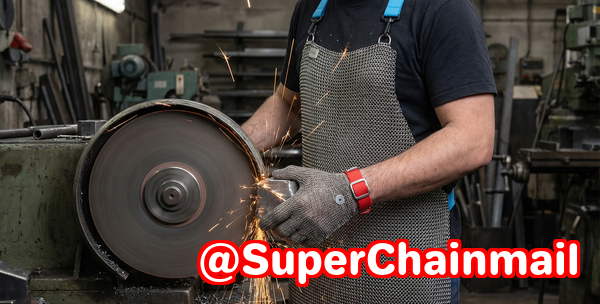
Many buyers, from industrial users to collectors, often struggle to distinguish high-quality chainmail from low-quality imitations. It can be overwhelming to know if you’re getting the right protection for your money. I’ve been there myself, wondering if that chainmail bolero I picked up is strong enough to stand up to real-world use or if it’s just for decoration.
In this article, I’ll walk you through how to evaluate chainmail quality, so you can make informed decisions and ensure you’re getting the best protection for your specific needs. Whether you’re purchasing for industrial work, cosplay, or even historical reenactments, these tips will help you avoid the common mistakes that many buyers make when it comes to chainmail.
Common Issues When Choosing Chainmail for Meat Processing
Choosing the right chainmail for use in meat processing facilities isn’t as simple as picking any shiny, metal garment off the shelf. There are a few pain points that often arise during the selection process:
-
Distinguishing Welded Rings from Open Rings: One of the most common issues I see when people evaluate chainmail is not knowing whether the rings are welded or open. This is crucial because welded rings offer better durability and strength, while open rings can lead to weak spots that could easily be compromised.
-
Uncertainty About Stainless Steel Grades: Another challenge is understanding the difference between various grades of stainless steel. Stainless steel is resistant to corrosion and stains, but not all grades offer the same level of protection. For industrial applications, choosing the wrong grade could mean the difference between long-lasting protection and a quickly corroding mess.
-
Weak Weave Patterns: The weave pattern of the chainmail plays a big role in its overall strength. Weaves like European 4-in-1 provide better coverage and are stronger than other designs. Many buyers are unsure about which weave patterns offer the most reliable protection.
These are just a few concerns buyers face when choosing the right chainmail for industrial work, food processing, or even cosplay. Thankfully, there are ways to thoroughly evaluate chainmail quality and avoid making these mistakes.
The Aegimesh Chainmail Evaluation Guide
As someone who’s been through this process myself, I know how challenging it can be to sift through options. That’s why I created a step-by-step inspection guide that will help you identify high-quality chainmail with ease. Here are the key factors to look for:
1. Material: Stainless Steel Grades 304 vs 316
The first step in inspecting chainmail is to check the material used. When shopping for industrial or protective chainmail, always ensure that it’s made of high-quality stainless steel. The two most common grades you’ll come across are 304 and 316.
-
304 Stainless Steel: This is the most common grade used in chainmail, offering a good balance between cost and corrosion resistance. However, it’s not as resistant to corrosion as grade 316, making it better suited for environments that aren’t exposed to heavy moisture or corrosive substances.
-
316 Stainless Steel: For meat processing or any industrial use where chainmail will be exposed to moisture or acidic substances (like those in food processing), 316 stainless steel is the better option. It’s more resistant to corrosion and stains, making it the ideal choice for demanding environments.
2. Welded vs Open Rings
As I mentioned earlier, it’s critical to check whether the rings of your chainmail are welded or open. Welded rings provide greater strength and durability because they are fused shut, preventing them from opening over time. Open rings, on the other hand, can pose a safety risk since they may pull apart under pressure.
A simple test you can do is try gently tugging on a section of the chainmail. If the rings are welded, they should remain intact, even with some force. If the rings are open, you’ll likely notice slight movement or separation between them.
3. Wire Thickness and Ring Diameter
Next, look closely at the wire thickness and the inner diameter of the rings. The thicker the wire and the smaller the inner diameter, the stronger the chainmail will be. This is especially important for industrial environments, where chainmail needs to withstand harsh conditions.
For example, if you’re using chainmail in a meat processing facility, thicker wires will provide better protection against sharp objects like knives and tools. If the wire is too thin, the chainmail may tear or become damaged under stress.
4. Weave Pattern: European 4-in-1
The weave pattern is another important aspect of chainmail quality. The European 4-in-1 weave is one of the most popular patterns, providing excellent strength and durability. This pattern interlocks four rings around one central ring, creating a sturdy, flexible mesh.
When evaluating chainmail, check that the weave is tight and uniform. Uneven patterns or gaps can weaken the overall structure and reduce its effectiveness.
Why Quality Matters in Industrial and Food Handling Use
I can’t stress enough how important it is to ensure your chainmail meets the necessary standards, especially for industrial or food handling purposes. Poor-quality chainmail can pose serious risks. For example, if you’re working with heavy-duty equipment or sharp tools, the last thing you want is chainmail that breaks or fails to protect you.
Proper chainmail inspection also helps you save money by avoiding products that are likely to wear out quickly or fall apart after just a few uses. By selecting high-quality chainmail from the beginning, you’ll get the durability and safety you need while avoiding frequent replacements.
Practical Tips for Evaluating Chainmail
Here’s a handy checklist for evaluating the quality of chainmail, whether you’re buying for industrial work, cosplay, or historical reenactment:
-
Perform a Pull Test: Gently pull on different sections of the chainmail to ensure the rings are tightly welded (if applicable) and the weave is tight.
-
Look for Corrosion Signs: Check for any signs of rust or corrosion, especially in areas where the chainmail will be exposed to moisture. Rust can compromise its strength and durability.
-
Inspect the Weave: Ensure the weave is even and uniform. A sloppy weave pattern could mean weak spots that are susceptible to damage.
-
Check for Craftsmanship: High-quality chainmail will show attention to detail in the craftsmanship. Look for consistent wire thickness and neatly closed rings.
Conclusion: Make an Informed Purchase for Safety and Durability
When it comes to purchasing chainmail, I highly recommend following these inspection steps to ensure you’re getting the best product for your needs. Whether you’re looking for cut-resistant chainmail for industrial use or decorative chainmail for cosplay, taking the time to evaluate the material, welds, wire thickness, and weave pattern will save you money and ensure your safety.
Remember, choosing the right chainmail can make a significant difference in its effectiveness. Don’t compromise when it comes to protection. Learn more about identifying high-quality chainmail products and find detailed inspection guides at Aegimesh.
FAQ
-
How can I tell if a chainmail ring is welded or open?
-
Gently pull on a section of the chainmail. If the rings stay intact without separating, they’re welded. If they come apart easily, the rings are open.
-
-
Which stainless steel grade is best for long-lasting chainmail?
-
For food processing and industrial work, 316 stainless steel is the best option as it’s more resistant to corrosion and stains.
-
-
How do I inspect the weave pattern for strength?
-
Check for tight, uniform patterns. A European 4-in-1 weave is a strong, durable option that provides optimal protection.
-
-
What are the signs of low-quality or unsafe chainmail?
-
Look for weak welds, inconsistent weaves, thin wire, and signs of rust or corrosion. Poor craftsmanship or uneven patterns can indicate low-quality chainmail.
-
-
Can decorative chainmail be used for protective purposes?
-
It depends on the material and quality. Decorative chainmail may look great but could lack the strength needed for industrial or safety purposes.
-
-
How do I choose the right chainmail for industrial vs cosplay use?
-
For industrial use, focus on durability, material quality, and protection (e.g., welded rings, thick wire, and proper stainless steel grades). For cosplay, decorative aspects and flexibility might be more important, but safety should still be a consideration.
-