Why Chainmail Boleros Matter in Industrial Safety
When purchasing chainmail for protection, I often find myself uncertain about which products are truly high-quality. Whether it’s for industrial use, cosplay, or even historical reenactments, the challenge of identifying durable and reliable chainmail always seems to sneak up on me. With so many options available, it’s easy to make a purchase that seems promising but falls short in terms of safety and durability. This is especially true when you’re looking for something as crucial as chainmail boleros for industrial safety, where the risks of low-quality materials can go beyond disappointing; they can be dangerous.
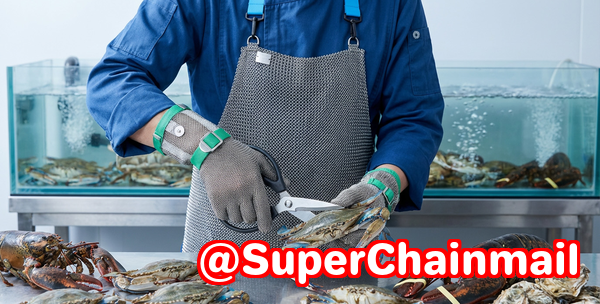
In this blog post, I’ll help you navigate the world of chainmail boleros, focusing on how to identify high-quality, safe, and durable products. We’ll talk about how to inspect chainmail carefullywhether you’re using it for personal safety, cosplay, or just as a collector’s item. By the end of this post, you’ll know exactly how to spot low-quality chainmail and ensure your purchase meets the standards required for both safety and longevity.
The Challenge: Identifying High-Quality Chainmail
For many buyers, distinguishing between genuine, industrial-grade chainmail and decorative, low-quality options can be difficult. Here are some of the most common challenges I’ve encountered when evaluating chainmail:
-
Welded vs. Open Rings: Many manufacturers offer “chainmail” that uses open rings instead of welded ones. While open rings are fine for decorative pieces, they offer much less durability and protection in a work environment where safety is paramount.
-
Corrosion Resistance: Not all stainless steel is created equal. Some chainmail uses lower-grade steel that can rust or corrode over time, especially in industries like food processing where cleanliness is critical.
-
Weak Weaves: Even if the material is high-quality, an inferior weave can compromise the overall durability of the chainmail. A weak or inconsistent pattern means the chainmail won’t offer the level of protection it should, making it unsuitable for industrial or protective use.
At Aegimesh, we’ve spent years perfecting a process that helps you avoid these issues and identify only the best chainmail products. Here’s how you can evaluate chainmail quality like a pro:
Step-by-Step Guide to Evaluating Chainmail
Whether you’re shopping for cut-resistant chainmail for industrial purposes or for a chainmail bolero for cosplay, these steps will help you assess the product quality before you make a purchase.
1. Material Type: 304 vs. 316 Stainless Steel
The first step in evaluating chainmail is to know the material used. Most high-quality chainmail is made from stainless steel, but there are different grades of steel. The two most common are 304 and 316 stainless steel.
-
304 Stainless Steel: This is the most common stainless steel grade used in chainmail. It offers good resistance to rust and corrosion and is suitable for most general-use cases, including cosplay or lightweight protective gear.
-
316 Stainless Steel: If you’re looking for industrial-strength protection, 316 stainless steel is your best bet. It’s more resistant to corrosion, particularly in environments where exposure to chemicals or moisture is frequent. It’s the ideal choice for food processing, industrial work environments, or any application where durability and hygiene are non-negotiable.
Make sure you check the material used in your chainmail product, especially if you’ll be using it in an industrial or food-handling environment.
2. Welded Rings vs. Open Rings
Next, you’ll want to inspect the construction of the rings. Quality chainmail should be made using welded rings, not open rings. Open rings are often cheaper and used in decorative pieces, but they can fall apart under stress.
-
Welded Rings: These rings are fused together using heat, making them far stronger and more durable. They form a continuous link that won’t easily break under pressure, which is essential for safety.
-
Open Rings: These are often used in inexpensive, decorative chainmail. They do not provide the same level of strength and may break or open up, rendering the chainmail ineffective for protective use.
So, when evaluating chainmail, always check to make sure the rings are welded and not simply twisted shut.
3. Wire Thickness and Ring Diameter
The next step is to evaluate the wire thickness and ring diameter. The thicker the wire and the smaller the ring diameter, the more durable the chainmail will be.
-
Wire Thickness: The wire should be thick enough to withstand the pressure or impact it may encounter. Thin wire is cheaper but less durable.
-
Ring Diameter: The smaller the diameter of the rings, the stronger the weave will be. A smaller diameter means more rings per square inch, which enhances the strength and resistance of the chainmail.
If you’re looking for cut-resistant chainmail, thicker wire and smaller rings are a must. This ensures the material can withstand the kind of sharp edges and heavy impacts common in industrial settings.
4. Weave Patterns: European 4-in-1
One of the most critical aspects of chainmail is the weave pattern. The most common and strongest weave used in industrial and protective chainmail is the European 4-in-1 weave.
-
European 4-in-1 Weave: In this weave, each ring is woven through four other rings, creating a tight, interlocking pattern. This structure provides maximum strength and flexibility, ensuring the chainmail offers reliable protection against cuts and abrasions.
While other weaves, such as 6-in-1 or 8-in-1, exist, the 4-in-1 weave strikes the perfect balance between durability and flexibility. For industrial safety, you’ll want to ensure the weave is tight, uniform, and consistent.
Practical Tips for Inspecting Chainmail
Here are a few hands-on ways you can test the quality of the chainmail you’re considering:
-
Pull Test: Gently pull on the rings to test the strength of the welds. If a ring pulls apart or feels weak, it’s a red flag.
-
Corrosion Check: Look for any signs of discoloration or rust, especially around the rings. Corrosion can weaken the material and compromise its protective qualities.
-
Look for Consistency: Check for any inconsistencies in the ringsirregular sizes, gaps, or poorly made welds are signs of poor craftsmanship.
By following these simple checks, you can ensure that the chainmail you purchase will be safe, durable, and effective for whatever application you need.
Conclusion
In conclusion, the importance of selecting high-quality chainmail for industrial safety cannot be overstated. Whether you’re working in an environment that requires cut-resistant chainmail for protection or you’re looking for a chainmail bolero for cosplay, understanding how to evaluate materials, welds, ring sizes, and weaves is essential.
I highly recommend following these steps to ensure any chainmail purchase meets safety and durability standards. By taking the time to inspect chainmail thoroughly, you’ll avoid the risks of buying low-quality products, save money in the long run, and make informed choices that provide real value.
To learn more about how to identify high-quality chainmail products, check out our detailed chainmail inspection guide today at Aegimesh.
FAQ
-
How can I tell if a chainmail ring is welded or open?
Check if the ring has a seam. If it does, it’s likely an open ring. If there’s no seam and the ring is solid, it’s a welded ring.
-
Which stainless steel grade is best for long-lasting chainmail?
For long-lasting chainmail, 316 stainless steel is the best choice due to its superior corrosion resistance, especially in industrial or food-related environments.
-
How do I inspect the weave pattern for strength?
Look for a tight European 4-in-1 weave. Ensure the rings are tightly interwoven with no gaps or loose rings that could compromise the weave.
-
What are the signs of low-quality or unsafe chainmail?
Low-quality chainmail will often have inconsistent ring sizes, poor welds, rust spots, and a loose, uneven weave.
-
Can decorative chainmail be used for protective purposes?
Decorative chainmail made from open rings and thin wire should not be relied on for protection. It is more suitable for display or cosplay.
-
How do I choose the right chainmail for industrial vs. cosplay use?
For industrial use, choose welded rings, thicker wire, and 316 stainless steel for optimal protection. For cosplay, 304 stainless steel and decorative designs may suffice, but ensure the rings are welded for durability.
Tags/Keywords
-
chainmail quality
-
welded rings
-
stainless steel chainmail
-
cut-resistant chainmail
-
chainmail inspection
-
European 4-in-1 weave
-
chainmail durability