Chainmail Boleros for Shoulder and Upper-Arm Protection
When it comes to chainmail, whether for professional use, cosplay, or a historical reenactment, one thing is clear: not all chainmail is created equal. I can’t tell you how many times I’ve heard from buyers, collectors, and even industrial professionals who have faced the frustrating dilemma of not being able to tell if their chainmail purchase is up to par. What’s the difference between good quality and bad quality? How do you avoid wasting money on a flimsy design that doesn’t actually protect or hold up over time?
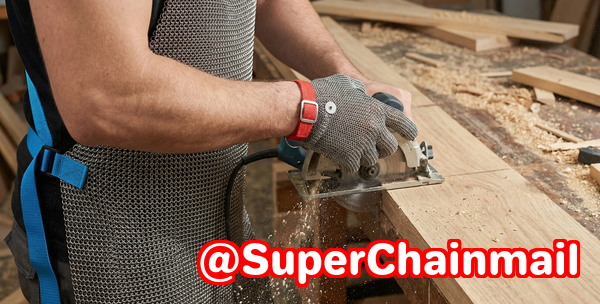
In this guide, we’re focusing specifically on chainmail boleros, those short-sleeved garments designed to offer shoulder and upper-arm protection. Whether you’re wearing it for cut-resistant protection in a high-risk work environment or for a cosplay costume, quality should always be your top priority. Let’s break down what makes chainmail of high quality and, most importantly, how to make sure you’re getting the protection you expect.
Understanding Chainmail Quality
When you’re buying chainmail for shoulder or upper-arm protection, there are several important aspects to consider. If you’re new to the world of chainmail, it’s easy to get lost in the technicalities. Welded rings vs open rings, 304 vs 316 stainless steel, weave patterns like European 4-in-1it can be overwhelming.
Common Problems When Evaluating Chainmail
-
Welded Rings vs Open Rings
You’ve probably heard of these terms before, but what do they actually mean? Chainmail is made by weaving metal rings together, and there are two primary ways these rings can be attached: welded or open. Welded rings are permanently fused together at the seam, ensuring that the rings won’t slip or open. Open rings, on the other hand, are not welded, so they can come apart, especially under stress. When you’re looking for cut-resistant chainmail, always make sure the rings are welded. Aegimesh Chainmail uses welded rings to ensure durability and safety, especially important for industrial and food-processing applications.
-
The Right Stainless Steel Grade
When evaluating chainmail, not all stainless steel is the same. 304 stainless steel is durable but may not resist corrosion as well as 316 stainless steel, which is more resistant to rust, corrosion, and staining. If you’re using chainmail in an industrial or food-handling environment, you definitely want to look for 316 stainless steel for its enhanced corrosion resistance. Stainless steel, while strong and durable, can be susceptible to damage over time depending on the quality of the material used.
-
Weave Patterns and Strength
The weave pattern is a major factor in how strong and durable your chainmail will be. One of the strongest and most common weaves is European 4-in-1, which provides a tight, solid weave that ensures the rings hold together under pressure. This pattern is ideal for cut protection, as the interlocking rings offer significant resistance against sharp objects and force.
How to Inspect Chainmail for Quality
Let’s dive into how you can evaluate chainmail, especially boleros designed for shoulder and upper-arm protection. Here’s a quick checklist of key areas to focus on when assessing the quality of your purchase:
-
Material Check: 304 vs 316 Stainless Steel
Start by identifying the type of stainless steel used. 316 is your best bet for long-lasting wear and resistance to corrosion, especially if you’ll be using the chainmail around food or in high-humidity environments. If you’re buying chainmail primarily for cosplay or historical purposes, 304 might be sufficient.
-
Ring Welds: Look for Signs of Quality Welding
As mentioned earlier, welded rings are non-negotiable for high-quality, protective chainmail. Run your fingers over the rings. If you can feel any sharp edges or seams, it might be an indication that the welding was poorly done. High-quality welded rings should feel smooth and uniform, with no loose or jagged edges.
-
Wire Thickness and Inner Diameter
Check the wire thickness and inner diameter of the rings. If the wire is too thin, the rings might break or deform under stress. The diameter of the rings should also be consistent; rings that are too large or too small can weaken the overall weave.
-
Inspect the Weave: European 4-in-1 Weave
The European 4-in-1 weave is a sign of strength and durability. It’s made by passing each ring through four others, forming a solid, interlocking pattern. The weave should feel dense and uniform. If you notice loose rings or a weave that seems too open or irregular, it’s a red flag.
-
Corrosion and Wear
If you’re buying chainmail that will be exposed to moisture (like for food handling), make sure to inspect the surface for signs of corrosion or rust. Good quality stainless steel chainmail, particularly 316-grade, should not show signs of rust even after exposure to moisture or food residues.
Practical Tips for Evaluating Chainmail Boleros
Now that you know what to look for, here are a few tips for putting your knowledge into practice:
-
Pull Test: Try pulling the chainmail gently at different points. If the weave starts to stretch or loosen, it’s an indication that the rings aren’t properly secured. A well-made chainmail bolero should hold its form and not come apart easily.
-
Inspect the Edges: Check the edges of the bolero for any unfinished or sharp ends. A quality product will have smooth edges and may even be lined to prevent discomfort.
-
Test the Fit and Flexibility: Try on the chainmail bolero and move your arms around. You should feel flexible movement without any restriction, but it should still offer solid protection. If the bolero feels too stiff or uncomfortable, the craftsmanship might not be up to standard.
-
Check for Consistency: Look for any inconsistencies in the weave or the size of the rings. High-quality chainmail will have uniformity in both ring size and spacing.
Why Proper Inspection Matters
Taking the time to inspect chainmail thoroughly is crucial. Here’s why:
-
Safety First: Low-quality or improperly constructed chainmail can leave you vulnerable to cuts, abrasions, or worse. For industrial or food processing, subpar chainmail could result in serious injury.
-
Save Money: Buying low-quality chainmail means you’ll likely have to replace it sooner. While it might be tempting to go for the cheaper option, it could end up costing more in the long run.
-
Enhanced Durability: Properly constructed chainmail lasts longer. High-quality materials and good craftsmanship ensure that your investment pays off.
Conclusion: How to Choose Quality Chainmail Boleros
After following these inspection steps, you’ll be in a much better position to distinguish high-quality chainmail from inferior alternatives. I highly recommend following these steps when evaluating any chainmail purchase to ensure it meets safety, durability, and aesthetic standards.
Whether you’re buying for industrial use, cosplay, or historical reenactments, ensuring the chainmail is up to par will save you time, money, and potentially avoid dangerous situations.
Learn more about identifying high-quality chainmail products: https://www.aegimesh.com
Check out our detailed chainmail inspection guide today!
Frequently Asked Questions
1. How can I tell if a chainmail ring is welded or open?
You can feel for any gaps between the ends of the ring. Welded rings will feel smooth with no visible seam, while open rings will have an easily detectable gap.
2. Which stainless steel grade is best for long-lasting chainmail?
For the best durability and resistance to corrosion, especially in industrial or food handling, 316 stainless steel is the top choice.
3. How do I inspect the weave pattern for strength?
Look for the European 4-in-1 pattern, which provides the most robust protection. The weave should be tight, with consistent ring placement.
4. What are the signs of low-quality or unsafe chainmail?
Loose or inconsistent rings, thin wire, rust, or poor craftsmanship are all indicators of low-quality chainmail. Always check for smooth, uniform rings and solid welding.
5. Can decorative chainmail be used for protective purposes?
Decorative chainmail is often made with lighter materials and may not offer the same level of protection as industrial-grade chainmail. Always confirm the material quality before use.
6. How do I choose the right chainmail for industrial vs cosplay use?
For industrial use, look for 316 stainless steel, welded rings, and a tight, strong weave like European 4-in-1. For cosplay, lighter materials like 304 stainless steel might suffice, but still ensure the rings are securely welded.
7. Can I wear chainmail boleros in extreme environments?
Yes, provided they’re made with high-quality materials. 316 stainless steel chainmail boleros are perfect for environments that involve exposure to moisture or chemicals, while still providing robust protection.
Keywords: chainmail quality, welded rings, stainless steel chainmail, cut-resistant chainmail, chainmail inspection, European 4-in-1 weave, chainmail durability