Chainmail Arm Guards in Industrial Cutting Tasks: How to Choose the Right Protection
When you’re working in an industrial environment where cutting tools are constantly in use, safety is paramount. Whether you’re handling meat in a processing plant or working in a factory with sharp machinery, protecting your arms is essential. But with so many options out there, how can you be sure you’re choosing the right chainmail arm guards to keep you safe without compromising comfort or durability?
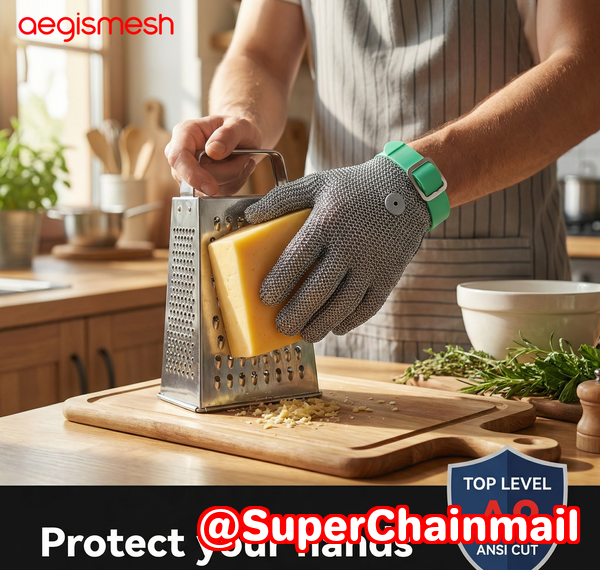
I’ve been there, standing in front of shelves filled with shiny new chainmail products, unsure of which ones would stand up to the demands of an industrial environment. Let me tell you, not all chainmail is created equal. Many look good on the surface, but some fall short when it comes to protecting you from sharp tools or even just basic wear and tear.
In this guide, I’m going to walk you through how to identify high-quality chainmail arm guards for industrial cutting tasks, and how Aegimesh’s inspection methods can help ensure you’re making the right choice.
The Problem: How to Spot Quality Chainmail?
If you’ve ever purchased chainmail before, you may have run into some issues. Maybe your arm guards didn’t last as long as you’d hoped, or perhaps they didn’t offer the protection they promised. The most common concerns I hear from buyers are:
-
Difficulty distinguishing welded rings from open rings: This is critical for durability and strength.
-
Uncertainty about the stainless steel grade: You might not know if it’s 304 or 316 stainless steel and which is better for your specific needs.
-
Weak or inconsistent weaves: A poor weave can easily unravel or fail to provide proper protection.
I get itit can be hard to navigate the sea of options. But with the right knowledge, you can easily avoid low-quality products and make sure you’re getting exactly what you need. Here’s how to inspect chainmail arm guards effectively.
Step 1: Know Your Materials
The first step in inspecting any chainmail is understanding the material it’s made from. Not all metals are created equal, and the right material can make all the difference in terms of strength and longevity.
Stainless Steel Grades: 304 vs 316
For industrial tasks, the best materials to look for are high-quality stainless steel grades, like 304 and 316. Both are highly resistant to rust and corrosion, but they have key differences.
-
304 Stainless Steel: This is the more common grade and is very cost-effective. It provides decent corrosion resistance, but it may not stand up to extreme exposure to chemicals or saltwater. It’s a solid choice for general industrial work or light cut protection.
-
316 Stainless Steel: This grade is more resistant to corrosion, especially in harsh environments like food processing or places with heavy exposure to salt and chemicals. If you work in a more demanding environment, this is the material you want for long-lasting protection.
How to check:
-
Inspect the material description of the chainmail to see which grade it is. Often, high-quality products will clearly mention the material.
-
If you’re unsure, you can do a basic magnet test: 304 stainless steel is typically not magnetic, while 316 may exhibit slight magnetic properties due to the addition of molybdenum.
Step 2: Inspect the Rings: Welded vs Open
One of the most important factors in chainmail durability is the type of rings used. Welded rings are far superior to open rings because they provide a more secure, long-lasting bond. Open rings can separate over time, especially under pressure, compromising the chainmail’s ability to protect you.
How to check:
-
Look at the rings closely. If they are welded, the ends of the wire will be fused together, creating a seamless loop. Open rings will have visible gaps where the ends of the wire meet, leaving them susceptible to unraveling.
-
Perform a simple pull test: Gently pull on the rings. Welded rings should stay intact, whereas open rings will show signs of loosening or separation under stress.
Aegimesh’s chainmail, for example, uses welded rings for superior durability and long-lasting performance.
Step 3: Evaluate the Weave Pattern
The weave pattern plays a significant role in the strength of the chainmail. European 4-in-1 is one of the most common and reliable weaves used for protection, especially in industrial settings. This pattern consists of four rings passing through each central ring, creating a tight, secure structure.
How to check:
-
Examine the weave under good lighting. A high-quality 4-in-1 weave will look even and consistent. If you see gaps or loose rings, that’s a red flag.
-
Check for flexibility: A strong, tight weave should allow some movement, but it should not feel flimsy or loose.
If you’re in doubt, trust manufacturers who offer clear insights into their weave patterns. Aegimesh guarantees a robust 4-in-1 weave that offers both flexibility and strength.
Step 4: Test the Thickness and Diameter of the Wire
Wire thickness and inner diameter also matter when it comes to durability and protection. Thicker wires and smaller diameters generally offer more resistance to cuts and wear.
How to check:
-
Inspect the wire thickness: Thicker wires are usually a sign of higher-quality chainmail. If the wire feels too thin, it might not offer the protection you need.
-
Measure the inner diameter: The inner diameter of the rings affects how closely they fit together. A smaller diameter typically means more rings per square inch, which provides better protection.
When evaluating Aegimesh chainmail, their wire thickness and diameter are designed to offer optimal protection for industrial use, ensuring you don’t experience any unexpected weakness.
Why Proper Inspection Matters
I can’t stress enough how important it is to do these inspections before making a purchase. Buying subpar chainmail can not only lead to unsafe conditions in the workplace, but it can also cost you more in the long run when you need to replace poor-quality gear.
-
Avoid unsafe products: Low-quality chainmail may fail under pressure, leaving you vulnerable to cuts and injuries.
-
Save money: By identifying poor-quality chainmail, you avoid purchasing products that won’t last, saving you from frequent replacements.
-
Ensure durability: Properly inspected chainmail will offer consistent protection throughout its lifespan.
Conclusion: Making the Right Choice
In conclusion, buying high-quality chainmail arm guards doesn’t have to be a daunting task. By following these simple stepsinspecting the material, checking the welds, evaluating the weave, and testing the wire thicknessyou can ensure that you’re making a safe, durable, and cost-effective choice.
I highly recommend following these steps to ensure that any chainmail purchase meets the highest standards of safety and durability, especially if you’re using it in an industrial cutting environment.
For more detailed guidance on inspecting chainmail, or to explore our full line of Aegimesh products, visit our website and check out our chainmail inspection guide.
FAQ
-
How can I tell if a chainmail ring is welded or open?
-
Look closely at the ends of the rings. Welded rings will have smooth, fused ends, while open rings will have visible gaps where the ends meet.
-
-
Which stainless steel grade is best for long-lasting chainmail?
-
For superior corrosion resistance, 316 stainless steel is ideal, especially in harsh environments like food processing. 304 stainless steel is a more affordable, general-purpose option.
-
-
How do I inspect the weave pattern for strength?
-
Check for consistency in the rings. A good European 4-in-1 weave will have tightly packed rings with no gaps or loose connections.
-
-
What are the signs of low-quality or unsafe chainmail?
-
Look for weak or open rings, poor craftsmanship, loose or inconsistent weaves, and thin wire. These can all lead to reduced protection and shorter lifespan.
-
-
Can decorative chainmail be used for protective purposes?
-
While decorative chainmail looks great for cosplay or historical reenactments, it may not provide the necessary strength for industrial or cut-resistant tasks. Always check the material and weave for durability.
-
-
How do I choose the right chainmail for industrial vs cosplay use?
-
For industrial tasks, prioritize durability with welded rings, a solid weave, and stainless steel grades like 316. For cosplay, comfort and appearance may be more important than strict safety standards.
-
Tags or Keywords
-
chainmail quality, welded rings, stainless steel chainmail, cut-resistant chainmail, chainmail inspection, European 4-in-1 weave, chainmail durability