Chainmail Aprons for Wet and Slippery Work Environments
When working in environments where wet, slippery surfaces are a constant, safety is key. For professionals in food processing, industrial settings, or even cosplay enthusiasts, choosing the right protection is essential. But how can you be sure that the chainmail apron you’re considering is up to the task?
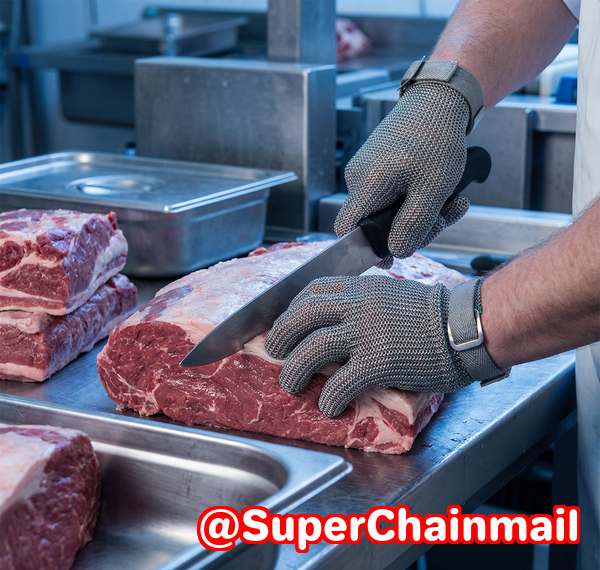
Imagine you’re working in a busy butcher shop, slicing through meats and navigating wet floors. Your mind is focused on the task at hand, but you can’t afford to let safety slip. The last thing you need is an apron that doesn’t hold up under pressure. Or, perhaps you’re in an industrial kitchen where wet, greasy surfaces are a given. The risk of cuts is ever-present, and it’s crucial that your chainmail apron doesn’t fail when you need it most.
This is where understanding the quality of your chainmail gear becomes critical. Let’s dive into how you can identify high-quality chainmail products, ensuring both safety and durability in your work environment.
Why Quality Chainmail Matters in Wet and Slippery Work Environments
Whether you’re handling meat in a butchery, working with chemicals in a lab, or navigating a wet kitchen, having the right protective gear is essential. But not all chainmail is created equal. Here’s why quality matters:
-
Protection Against Cuts: In high-risk environments, you need chainmail that can withstand constant wear and offer protection from sharp knives, tools, or even machinery.
-
Durability Under Moisture: Wet conditions can quickly weaken inferior materials, making them prone to rust or breakage. Stainless steel chainmail, specifically, must be corrosion-resistant and strong enough to maintain its protective qualities.
-
Comfort and Flexibility: No one wants bulky, uncomfortable gear when working in a fast-paced environment. The right chainmail should be lightweight yet strong, allowing for maximum protection without restricting movement.
So, how do you avoid falling for low-quality or unsafe chainmail products? It all comes down to how well you can evaluate the material and craftsmanship.
Common Pain Points When Evaluating Chainmail
-
Welded vs. Open Rings: One of the first things buyers often struggle with is distinguishing welded rings from open ones. Open rings can compromise the overall durability and safety of the chainmail. If a ring opens, it may expose you to injury.
-
Choosing the Right Stainless Steel: Not all stainless steel is created equal. Stainless steel comes in various grades, with 304 and 316 being the most common. But how can you know which one’s right for your needs? The grade impacts the chainmail’s resistance to corrosion, especially in wet conditions.
-
Weak Weave Patterns: Chainmail isn’t just a bunch of metal rings strung together. The way the rings are woven determines how durable and flexible the material is. A weak weave pattern can cause the chainmail to fail under pressure, leaving you exposed to cuts or injury.
Let’s look at how Aegimesh Chainmail can be your guide in solving these issues and ensuring your purchase is the right one.
How to Inspect and Verify the Quality of Chainmail
When you’re evaluating chainmail for safety, durability, and suitability for wet environments, a thorough inspection can make all the difference. Here are the steps I recommend:
1. Check the Material Type (304 vs. 316 Stainless Steel)
The first step in determining chainmail quality is to identify the material used. There are two main types of stainless steel commonly used in chainmail: 304 and 316.
-
304 Stainless Steel: It’s the most common and cost-effective option but can corrode over time when exposed to moisture, especially in environments like kitchens or industrial areas.
-
316 Stainless Steel: This is the superior choice for wet and slippery environments. It has higher resistance to corrosion, particularly in the presence of salt and chemicals, making it perfect for wet work environments like butcher shops or food processing.
Look for chainmail products that specify the stainless steel grade used in their construction. If you can’t find this information easily, it’s worth reaching out to the supplier.
2. Inspect Ring Welding, Wire Thickness, and Inner Diameter
The quality of chainmail rings plays a significant role in its overall performance. Here’s how you can assess them:
-
Welded Rings: Always choose welded rings over open rings. Welded rings are closed, offering better strength and preventing the ring from breaking open. This ensures that the chainmail will stay intact even under stress.
-
Wire Thickness: Thicker wire tends to be stronger and more durable. However, it also adds weight, so you’ll need to balance strength and comfort based on your specific use.
-
Ring Diameter: The inner diameter of the rings should fit tightly together without too much space. Too much space can make the chainmail weaker and more prone to catching or tearing.
3. Evaluate the Weave Pattern
The weave pattern is critical to the strength and flexibility of chainmail. The most common and durable weave is the European 4-in-1 weave, which involves each ring connecting to four other rings, creating a strong and flexible structure. This type of weave is often used in industrial applications and is perfect for wet and slippery conditions.
Make sure to check if the chainmail is constructed with this weave pattern, especially if you’re looking for strength and durability.
Benefits of Proper Chainmail Inspection
By following these simple inspection steps, you can ensure that your chainmail apron will:
-
Avoid Unsafe Purchases: High-quality chainmail will stand up to industrial or food-processing conditions, reducing the risk of injury.
-
Ensure Durability: Whether you’re using it for protection, cosplay, or historical display, durability is key. A poor-quality product won’t last long, costing you more in the long run.
-
Save Money: By identifying low-quality products before purchase, you avoid wasting money on items that won’t perform as needed.
Practical Tips for Evaluating Chainmail Quality
Here are some quick tips to help you make a more informed decision when buying chainmail:
-
Perform a Pull Test: Gently pull on the chainmail to check its tensile strength. If the rings start to separate, it’s a sign that the welding or weave is weak.
-
Look for Corrosion: Check for any signs of rust, especially in areas that are constantly exposed to moisture. Corrosion is a clear indicator of poor-quality material.
-
Check for Consistency: Look for consistent ring size, wire thickness, and weave pattern. Inconsistent rings or uneven weaves indicate poor craftsmanship.
Conclusion: Get the Best Protection with Aegimesh Chainmail
When choosing chainmail for wet and slippery work environments, it’s essential to focus on quality. By inspecting the material, welds, wire thickness, and weave pattern, you’ll be able to find chainmail that is durable, safe, and fit for purpose. I highly recommend following these steps to ensure any chainmail purchase meets safety and durability standards.
To make your search even easier, I encourage you to visit Aegimesh Chainmail here. We provide a detailed chainmail inspection guide that can help you identify the best products for your specific needs.
FAQ
1. How can I tell if a chainmail ring is welded or open?
To check if a chainmail ring is welded, simply look for a seamless connection where the ends meet. If you can see a small gap, the ring is likely open.
2. Which stainless steel grade is best for long-lasting chainmail?
For the best durability, especially in wet or corrosive environments, 316 stainless steel is your top choice. It offers superior corrosion resistance compared to 304 stainless steel.
3. How do I inspect the weave pattern for strength?
Look for the European 4-in-1 weave, which is the most durable. Each ring should connect to four others, creating a strong and flexible structure.
4. What are the signs of low-quality or unsafe chainmail?
Signs include weak rings (easy to pull apart), rust or corrosion, inconsistent ring sizes, or gaps in the weave. These all indicate poor craftsmanship.
5. Can decorative chainmail be used for protective purposes?
While decorative chainmail looks great for cosplay or display, it may not offer the same level of protection as chainmail designed for industrial use. Always ensure the weave and material are up to the task.
6. How do I choose the right chainmail for industrial vs. cosplay use?
For industrial use, opt for chainmail made from 316 stainless steel with a European 4-in-1 weave. For cosplay, focus more on aesthetics and comfort, but still ensure the material is durable enough for wear.
7. Is chainmail effective for food processing?
Yes, when made from high-quality materials like 316 stainless steel, chainmail can be very effective for food processing environments, providing both cut protection and durability.
Tags or Keywords
-
chainmail quality
-
welded rings
-
stainless steel chainmail
-
cut-resistant chainmail
-
chainmail inspection
-
European 4-in-1 weave
-
chainmail durability