Chainmail Aprons and EN 1082 Safety Standards
When it comes to buying chainmail for protection, whether for industrial use, food processing, or even cosplay, it can feel overwhelming to figure out which products are genuinely high-quality. I know the feeling: you want something that’s not only durable but also safe and functional. The last thing you want is to invest in a chainmail apron or glove only to find out it doesn’t live up to the standards you expected. With so many options on the market, it’s easy to get lost in the details. So how do you separate the great products from the cheap imitations? In this guide, I’ll walk you through how to evaluate chainmail quality to ensure you’re making an informed purchase.
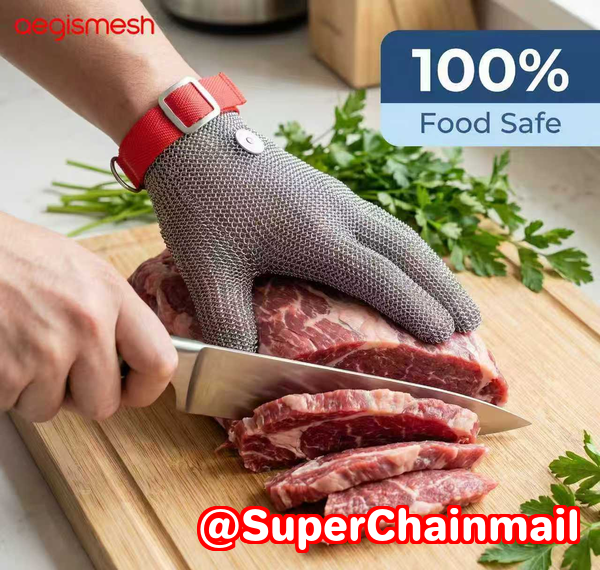
Why Quality Matters: Real-World Risks
Imagine you’re working in a high-risk environment, like a butcher shop or a metalworking factory. You rely on your protective gear to keep you safe from sharp objects and high temperatures. A poorly made chainmail apron could fail under pressure, leaving you exposed to serious injury. On the other hand, chainmail designed for cosplay or display might look cool but won’t provide the durability needed for industrial use.
That’s where the quality of chainmail really matters. Whether you’re handling meat, working with hot metal, or showing off your medieval cosplay at a convention, the quality of your chainmail makes all the difference in ensuring your safety, comfort, and investment. Here’s how you can evaluate the quality before you make your purchase.
Common Chainmail Pain Points (And How to Solve Them)
If you’ve ever bought chainmail before, you’ve probably encountered a few issues. These are some of the most common concerns:
-
Welded vs Open Rings: One of the first things that can confuse buyers is distinguishing between welded rings and open rings. Open rings are easier to make, but they can be less durable and prone to unraveling. On the other hand, welded rings provide better strength and longevity. If you’re using your chainmail for industrial or protective purposes, you definitely want welded rings.
-
Material Confusion: Not all stainless steel is created equal. You’ll often see grades like 304 and 316 mentioned in the descriptions of chainmail products. So, what’s the difference? Grade 304 is generally more affordable, but grade 316 is far more resistant to corrosion, which is crucial for environments exposed to moisture or chemicals (like food processing). Knowing which one you need is a game-changer.
-
Weak Weaves: The weave pattern plays a major role in the overall strength of your chainmail. A weak weave can make even the best materials useless when it comes to providing adequate protection. For instance, European 4-in-1 weave is one of the most popular and reliable patterns for high-quality chainmail. If the pattern isn’t tightly woven or the rings are too large, the apron or gloves won’t provide the cut resistance you need.
Aegimesh Chainmail: Your Quality Guide
Aegimesh products are designed to take the guesswork out of evaluating chainmail. Let’s break down how you can easily inspect and assess the quality of a chainmail product before you buy it:
-
Check the Material: 304 vs 316 Stainless Steel
-
304 Stainless Steel: It’s a common material used in chainmail and performs well in most dry environments. It’s ideal for lighter-duty tasks like cosplay and historical reenactments.
-
316 Stainless Steel: If you’re looking for chainmail for industrial use or food safety, 316 stainless steel is the better option. It’s more resistant to corrosion and can withstand harsher conditions like exposure to water, acids, and salts.
-
-
Inspect the Ring Weld
When inspecting a chainmail product, look closely at the rings. They should be welded shut. If you see any gaps or irregularities in the weld, it’s likely a sign of poor craftsmanship. While open rings might be acceptable for decorative chainmail, they shouldn’t be trusted in applications where strength is crucial.
-
Wire Thickness and Ring Diameter
Chainmail rings come in different thicknesses, and this affects both the flexibility and strength of the material. Generally, thicker wire means a stronger, more durable product, but it can also be stiffer. Ring diameter plays a role in the flexibility and overall protection level of the chainmail. Larger rings might be lighter and easier to move in but could sacrifice protection, especially if used in an industrial setting.
-
Weave Patterns Matter: European 4-in-1
One of the best weaves for industrial applications is the European 4-in-1 weave. It’s strong, flexible, and highly resistant to cuts. When inspecting chainmail, check how tightly the rings are connected. A loose weave will weaken the overall structure, so make sure the rings are interlocked firmly and consistently.
Why Proper Chainmail Inspection is Crucial
When you take the time to check each of these aspectsmaterial, welds, wire thickness, and weave patternsyou’re not just ensuring the chainmail is safe. You’re also saving money in the long run. Let’s break down the benefits of proper inspection:
-
Safety First: Properly inspected chainmail meets safety standards, ensuring it will protect you in hazardous environments like food processing or construction sites.
-
Avoid Costly Mistakes: By identifying low-quality chainmail before purchase, you avoid wasting money on products that won’t stand the test of time.
-
Durability Assurance: High-quality chainmail made from welded rings and corrosion-resistant steel will last much longer, even with heavy use.
-
Functionality for Intended Use: Whether you need it for industrial work or cosplay, ensuring you buy the right type of chainmail ensures your needs are met.
Practical Tips for Evaluating Chainmail Quality
-
Perform the Pull Test:
One of the best ways to check the durability of a chainmail product is by performing a simple pull test. Grasp a section of the chainmail and pull it in different directions. It should remain intact and strong. If the rings start to shift or loosen, it’s a sign of poor quality.
-
Look for Corrosion:
Stainless steel is supposed to resist rust, but some grades of steel or poorly welded rings might still show signs of corrosion. If you see any rust or discoloration on the chainmail, it could compromise its strength and durability.
-
Know Your Needs:
Depending on your intended use, you’ll want different types of chainmail. Industrial workers or food handlers need chainmail that is both cut-resistant and corrosion-resistant. Cosplayers might prioritize lighter weight and aesthetic appeal, while collectors will look for authenticity and durability.
Conclusion: Make an Informed Choice
By following these inspection methods, you’ll be able to easily distinguish between high-quality chainmail and the poor imitations that flood the market. Whether you’re looking for a chainmail apron for industrial safety or a historical replica for your collection, Aegimesh’s guide can help you make an informed choice.
I highly recommend following these steps to ensure any chainmail purchase you make meets the highest standards of safety, durability, and craftsmanship. Don’t settle for anything less than the bestinvest in quality chainmail that you can trust.
Learn more about identifying high-quality chainmail products: Aegimesh Chainmail Guide
Frequently Asked Questions (FAQ)
-
How can I tell if a chainmail ring is welded or open?
Inspect the ring closely. A welded ring will have a small but visible seam where the ends meet. Open rings will have a small gap, and they can be pulled apart easily.
-
Which stainless steel grade is best for long-lasting chainmail?
Grade 316 stainless steel is the best option for long-lasting, corrosion-resistant chainmail. It’s especially important for industrial and food-processing use.
-
How do I inspect the weave pattern for strength?
Look for a tightly interwoven pattern like the European 4-in-1. The rings should fit snugly together without any gaps, ensuring the weave holds together under pressure.
-
What are the signs of low-quality or unsafe chainmail?
Look for poorly welded rings, weak weaves, visible corrosion, and irregular ring sizes. If the chainmail feels flimsy or too light for its intended use, it’s likely low-quality.
-
Can decorative chainmail be used for protective purposes?
Decorative chainmail is often made with open rings or lighter materials that aren’t suitable for protection. For safety, always opt for welded rings and corrosion-resistant materials.
-
How do I choose the right chainmail for industrial vs cosplay use?
For industrial use, look for thicker, welded rings made from 316 stainless steel. For cosplay, you can go for lighter materials and decorative weaves, but make sure the rings are securely connected.
Tags: chainmail quality, welded rings, stainless steel chainmail, cut-resistant chainmail, chainmail inspection, European 4-in-1 weave, chainmail durability