Chainmail Aprons vs Fabric Aprons Safety Comparison: Which Offers Better Protection?
When it comes to safety in industries like food processing, butchery, or cosplay, choosing the right protective gear can feel overwhelming. We often have a lot of options to choose from, but how can we be sure we’re getting the best protection for our needs? In my own experience, I’ve found myself wondering, “Is this chainmail really up to the job, or am I just buying another piece of decoration?” If you’ve ever asked yourself this question, you’re not alone.
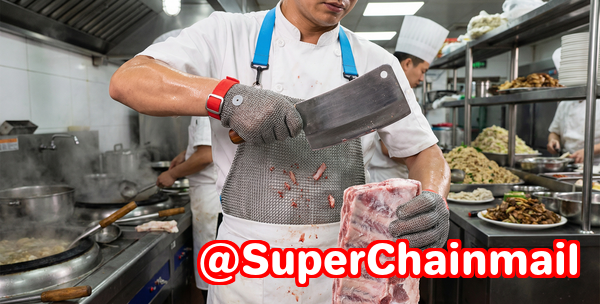
The decision between chainmail aprons and fabric aprons is an important one, especially when considering safety, durability, and long-term use. In this post, I’ll walk you through how to evaluate high-quality chainmail products, how to tell the difference between genuine protective chainmail and less-durable options, and why this knowledge can help you avoid safety risks and poor investments.
Understanding Chainmail Quality: A Real-World Dilemma
Let’s say you’re in the market for a chainmail apron to protect yourself or your team from cuts while working with knives or sharp objects. When you start looking at options online, you’re overwhelmed by choicesprices vary widely, and some aprons look nearly identical but have very different price tags. You might wonder: is the difference in price justified by the quality of the material?
Many buyers struggle with identifying genuine, high-quality chainmail products. It’s not always easy to tell if you’re looking at a top-tier chainmail apron made from welded rings and durable stainless steel, or if you’re about to buy a decorative piece made from flimsy wire or poor-quality rings that won’t provide the protection you need.
In this article, I’ll help you distinguish between the two, using a combination of practical tips and expert advice on what to look for when evaluating chainmail. Let’s get started!
Common Pain Points When Evaluating Chainmail
1. Welded Rings vs. Open Rings
One of the most common mistakes I see is people assuming that all chainmail is the same because it looks similar at first glance. The truth is, the durability and safety of a chainmail product are heavily influenced by the construction of the rings.
Welded rings are far more durable and reliable than open rings. Open rings, while functional for decorative or cosplay purposes, can easily come apart with wear or impact. For professional use, you need welded rings that are fused together securely. When inspecting chainmail, check for a clean, uniform weld that holds the ring together tightly. If you spot a gap or a weak weld, it’s a red flag.
2. Choosing the Right Stainless Steel Grade
Another challenge many buyers face is understanding which stainless steel grade is best suited for their needs. For high-quality chainmail, you typically have two main options: 304 and 316 stainless steel.
-
304 Stainless Steel: This is the most common and cost-effective option. It’s highly resistant to corrosion and is suitable for most industrial and food-processing environments. However, it’s not as corrosion-resistant as 316, which might be a concern in more demanding or outdoor environments.
-
316 Stainless Steel: If you’re looking for chainmail that can withstand more extreme conditions, particularly exposure to saltwater or acidic substances, 316 stainless steel is a superior choice. It’s more corrosion-resistant than 304, making it ideal for harsh environments like coastal areas or high-humidity spaces.
So, how do you know which steel grade you’re getting? The best way is to ask the seller directly or look for specific product details. Don’t just rely on the “stainless steel” label, as some lower-quality products may use cheap alloys that mimic stainless steel’s appearance without offering its benefits.
3. Weak Weave Patterns and Craftsmanship
When evaluating chainmail, I’ve found that one of the easiest ways to tell the difference between high-quality and low-quality products is by inspecting the weave pattern. One of the most common weaves used in professional chainmail is the European 4-in-1 weave, which has a simple, effective pattern known for its durability.
Low-quality chainmail may use inconsistent weaving or poor craftsmanship that compromises the strength and overall durability of the material. For example, in chainmail made from open rings or poorly welded rings, the pattern may become loose or the rings might pull apart under pressure.
How to Inspect Chainmail for Quality
Now that we’ve covered some of the common pain points, let’s take a deeper dive into how you can inspect chainmail to ensure you’re getting the quality and protection you need.
1. Material Type Check
As mentioned earlier, the material plays a crucial role in the durability and effectiveness of chainmail. Check whether the chainmail is made from 304 or 316 stainless steel. Aegimesh Chainmail, for example, uses premium-quality stainless steel for maximum protection and longevity.
2. Inspect the Rings
-
Thickness: The wire thickness should be uniform throughout the apron. A thicker wire provides better protection, but don’t be fooled by a product that looks bulky without offering real strength.
-
Inner Diameter: Measure the inner diameter of the rings. If the rings are too small, they can create weak spots where the weave may collapse. If they’re too large, the protection may be compromised as sharp objects can slide through.
3. Pull Test
Performing a pull test is one of the simplest ways to evaluate chainmail quality. Gently tug on the rings of the apron. If they hold firmly and there’s no movement, you know you’re dealing with a well-made product. If you notice any slack or looseness, this could indicate weak craftsmanship or low-quality materials.
4. Corrosion Check
If you’re buying chainmail for industrial or food-related use, it’s essential to check for any signs of corrosion. Stainless steel chainmail should resist rust or corrosion, but lower-quality alloys may show signs of wear after only a few months of use.
Look for:
-
Discoloration or rust spots.
-
A dull or worn surface that doesn’t reflect light well.
-
Pitting or flaking around the rings or mesh.
5. Weave Pattern Check
The European 4-in-1 weave is the standard for industrial-quality chainmail. If you’re inspecting a chainmail apron, ensure the weave is tight and consistent. The rings should all interlock properly without any gaps or loose sections. This ensures maximum protection and prevents any weak points in the material.
Why Quality Chainmail Matters: Real-World Benefits
So, why should you care so much about the quality of chainmail? Let’s take a look at some real-world benefits of investing in high-quality chainmail:
-
Safety in High-Risk Environments: Whether you’re working in a butcher’s shop, food processing, or a hazardous industrial setting, poor-quality chainmail won’t give you the protection you need. High-quality chainmail offers superior cut resistance, protecting you from sharp blades and dangerous tools.
-
Durability and Longevity: Investing in premium chainmail ensures that your gear lasts longer. Low-quality products might seem like a bargain, but they’re more likely to break down quickly, requiring replacement or repairs.
-
Cost Savings: You may think you’re saving money by buying cheaper chainmail, but if it’s unsafe or prone to breaking, it will cost you more in the long run. Choosing high-quality chainmail saves you from the expense of replacements or potential injuries.
Conclusion: A Smart Purchase for Safety and Durability
When purchasing chainmail, whether for industrial use, cosplay, or historical replicas, I highly recommend following these inspection steps. Doing so ensures that you’re not only getting a good deal but also making a smart investment in your safety and long-term use.
I can’t stress enough how important it is to verify the quality of chainmail before making a purchase. By checking the material, inspecting the rings and weave, and performing a simple pull test, you can be confident in your purchase and avoid low-quality or unsafe products.
If you want to learn more about identifying high-quality chainmail products, I highly recommend checking out Aegimesh’s detailed chainmail inspection guide. Visit our website to learn more: Aegimesh Chainmail.
Frequently Asked Questions (FAQ)
1. How can I tell if a chainmail ring is welded or open?
Look closely at the ring’s edges. Welded rings will have a smooth, seamless connection, while open rings will have a small gap or split.
2. Which stainless steel grade is best for long-lasting chainmail?
316 stainless steel is more corrosion-resistant and suitable for extreme environments, while 304 stainless steel is ideal for general industrial use.
3. How do I inspect the weave pattern for strength?
Look for the European 4-in-1 weave, ensuring the rings interlock without gaps. The weave should be tight and even, without loose or inconsistent rings.
4. What are the signs of low-quality or unsafe chainmail?
Signs include visible rust, weak welds, inconsistent ring thickness, and a loose or uneven weave pattern.
5. Can decorative chainmail be used for protective purposes?
Decorative chainmail is typically not designed for safety and may not provide the same protection as industrial-grade chainmail made from welded rings.
6. How do I choose the right chainmail for industrial vs cosplay use?
For industrial use, focus on durability, corrosion resistance, and cut resistance. For cosplay, aesthetics and comfort may be more important, though you should still ensure the chainmail is made from quality materials.
Tags/Keywords: chainmail quality, welded rings, stainless steel chainmail, cut-resistant chainmail, chainmail inspection, European