Why Weld Quality Matters in Chainmail Gloves
When I first started exploring chainmail gloves for my butchery and cosplay projects, I quickly realized that not all chainmail is created equal. One pair might feel solid and protective, while another seems flimsy, with rings that almost look like they could come apart with a little tug. For anyone using chainmail for safety, display, or professional purposes, the quality of the welds in each ring can make or break your experiencesometimes literally.
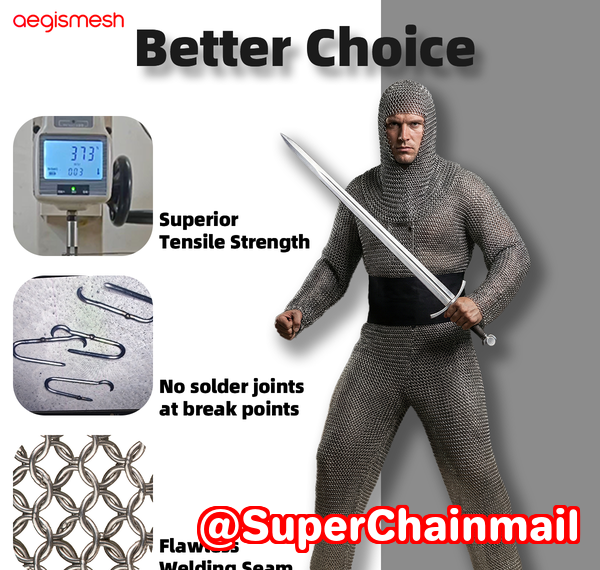
I’ve seen buyers get frustrated after spending a lot of money on chainmail gloves only to find that some rings are open, rusting, or poorly woven. That’s why learning how to inspect welded rings, check material types, and evaluate weave patterns is so important. In this article, I’ll walk you through practical ways to assess chainmail quality and ensure your gloves are durable, safe, and worth the investment.
Common Pain Points in Evaluating Chainmail
When I first started buying chainmail gloves, I ran into a few recurring problems that made it tough to know if I was getting a quality product:
1. Difficulty distinguishing welded rings from open rings
At first glance, chainmail might all look the samea tangle of interlocking metal rings. But open rings or poorly welded rings can break under stress. This is especially concerning in food processing, butchery, or industrial cut-resistant applications. Even decorative chainmail can quickly lose its appeal if rings start opening or unraveling.
2. Uncertainty about stainless steel grade and corrosion resistance
Chainmail is often made from stainless steel, but not all stainless steel is created equal. For gloves that will be exposed to moisture, acids, or cleaning chemicals, the wrong steel grade can rust or degrade. Many buyers aren’t sure whether a product uses 304 or 316 stainless steel, or what difference it makes in durability.
3. Weak or inconsistent weave compromising durability
The weave patternhow the rings are linkedaffects both strength and flexibility. A loose or inconsistent European 4-in-1 weave can leave gaps, reduce protection, or create stress points where rings are likely to snap. Buyers often don’t know how to verify that the weave is correct and tight enough for heavy use.
How to Inspect Chainmail for Quality
After experiencing these challenges firsthand, I turned to Aegimesh Chainmail as a guide. Their inspection tips helped me evaluate gloves with confidence. Here’s a breakdown of what to look for:
1. Checking material type
-
304 stainless steel is standard for many decorative or light-use gloves. It’s corrosion-resistant, but may not hold up under harsh conditions.
-
316 stainless steel is ideal for industrial or food-handling applications. It offers superior corrosion resistance, especially in salty or wet environments.
-
Always ask the seller for the stainless steel grade, and if possible, request a material certificate.
2. Inspecting welded rings
-
Look closely at each ring’s seam. A fully welded ring has no visible gaps; the metal is fused completely.
-
Perform a gentle pull test: Grab a single ring and try to pull it apart. If it opens easily, it’s not welded properly.
-
Avoid chainmail where you can see slight gaps, uneven welds, or sharp edgesthese are weak points that compromise safety and durability.
3. Evaluating wire thickness and ring diameter
-
Thicker wire generally equals stronger protection but reduces flexibility. Consider your use: industrial gloves benefit from thicker wire, while cosplay gloves can be lighter.
-
Measure ring diameter. Smaller inner diameters create tighter weaves, increasing strength. Larger rings may look impressive but can open more easily under stress.
4. Assessing weave patterns
-
The European 4-in-1 weave is the industry standard for durability. Each ring passes through four others, creating a dense, flexible mesh.
-
Inspect the weave consistency: gaps, twisted rings, or uneven spacing are warning signs.
-
For decorative pieces, a looser weave may be acceptable, but for protective gloves, density and uniformity matter.
Benefits of Proper Inspection
When I started inspecting chainmail gloves carefully, I noticed immediate benefits:
-
Avoid unsafe chainmail: Poor welds or weak weaves can fail under pressure, putting you at risk of cuts or injuries.
-
Ensure decorative or cosplay chainmail lasts: Even if you’re not using gloves industrially, properly welded rings mean your costume or display piece won’t unravel.
-
Save money: Identifying low-quality chainmail before purchase prevents waste and disappointment.
By learning to check material, welds, wire thickness, and weave, you can confidently choose chainmail gloves that match your needs.
Step-by-Step Practical Tips
Here’s a simple checklist I use whenever evaluating chainmail:
-
Material verification: Confirm whether the gloves are made of 304 or 316 stainless steel. Ask for certifications if available.
-
Ring inspection: Look closely at each seam for gaps or uneven welds. A fully welded ring should appear smooth and continuous.
-
Pull test: Gently tug on a few rings. If they open, the chainmail is unsafe.
-
Check wire thickness: Consider the balance between protection and flexibility. Industrial gloves need thicker wire; cosplay gloves can be lighter.
-
Measure inner diameter: Smaller rings typically create a denser, stronger weave.
-
Weave evaluation: Examine the European 4-in-1 pattern. Rings should be evenly spaced, with no twists or loose sections.
-
Look for corrosion or defects: Discoloration, pitting, or rough edges indicate poor quality or exposure to moisture during production.
Following this process will help you avoid chainmail that looks good online but fails in real life.
Choosing the Right Chainmail for Your Needs
Not all chainmail gloves are meant for the same purpose. Here’s how I determine which to buy:
-
Industrial cut protection: Prioritize fully welded 316 stainless steel, thick wire, tight European 4-in-1 weave. Safety and longevity matter most.
-
Food handling: Choose corrosion-resistant steel (316), welded rings, and a flexible weave that allows dexterity.
-
Cosplay or historical replicas: Decorative pieces can be lighter and thinner, but still check weld quality to prevent unraveling.
-
Collectibles: Even for display, I inspect welds and weave to ensure the piece remains intact over time.
Conclusion
Over the years, I’ve learned that weld quality is the single most important factor in chainmail gloves. By inspecting material type, welds, wire thickness, and weave patterns, I can confidently select gloves that are safe, durable, and suited for my intended use.
I highly recommend following these steps to ensure any chainmail purchase meets safety and durability standards. Whether you’re a professional, cosplayer, or collector, taking the time to inspect your gloves protects your hands, your investment, and your peace of mind.
Learn more about identifying high-quality chainmail products: https://www.aegimesh.com/
Check out our detailed chainmail inspection guide today.
FAQs
1. How can I tell if a chainmail ring is welded or open?
Look closely at the seam. A welded ring will have no visible gap and feel solid when gently pulled. Open rings or poorly welded ones may separate easily.
2. Which stainless steel grade is best for long-lasting chainmail?
316 stainless steel is superior for industrial, food-handling, or wet environments. 304 stainless steel is suitable for decorative or light-use gloves.
3. How do I inspect the weave pattern for strength?
Check for a consistent European 4-in-1 pattern. Rings should be evenly spaced, with no twists, gaps, or loose sections.
4. What are the signs of low-quality or unsafe chainmail?
-
Visible gaps or weak welds in rings
-
Uneven or loose weave
-
Thin wire or oversized rings that compromise strength
-
Corrosion or pitting on the metal surface
5. Can decorative chainmail be used for protective purposes?
Decorative chainmail may look authentic but often lacks welded rings, appropriate wire thickness, or dense weave. For protection, always use chainmail designed for safety.
6. How do I choose the right chainmail for industrial vs cosplay use?
For industrial use, prioritize welded 316 stainless steel, thick wire, and tight European 4-in-1 weave. For cosplay, you can choose lighter wire and decorative weaves but still check weld quality to prevent unraveling.
7. How can I maintain chainmail gloves to extend their lifespan?
Clean and dry them after use, especially in wet or corrosive environments. Regularly inspect for weak welds or damaged rings and address issues promptly.
Keywords: chainmail quality, welded rings, stainless steel chainmail, cut-resistant chainmail, chainmail inspection, European 4-in-1 weave, chainmail durability