Chainmail Gloves Balancing Protection and Comfort
Imagine standing in a busy kitchen, handling sharp knives, or slicing through thick cardboard at work. You reach for a pair of chainmail gloves, trusting they will protect your hands from cuts. But as you examine them, a nagging doubt creeps in: are these gloves truly safe? Are the rings welded solidly, or could they snap under pressure? This scenario is all too familiar for anyone looking to buy chainmail for industrial use, cosplay, or collectibles. Knowing how to identify high-quality chainmail is crucialnot just for safety, but for durability and comfort as well.
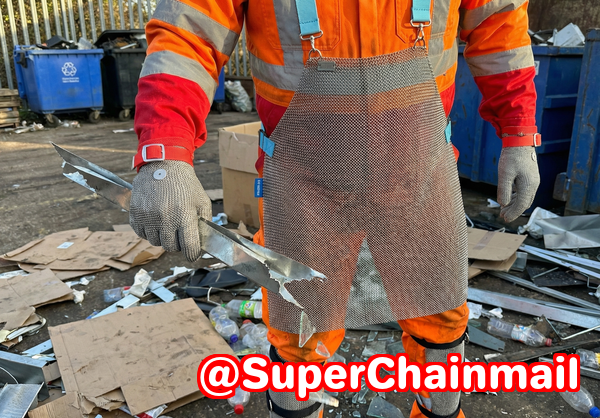
When I first started collecting and using chainmail, I realized that not all products are created equal. Some appear sturdy but fail after a few uses, while others offer long-lasting protection with flexible comfort. Over the years, I’ve learned the key steps to inspect and evaluate chainmail quality, and I’m excited to share them with you. Whether you’re buying chainmail gloves for food handling, industrial cut protection, or historical replicas, understanding what makes chainmail truly high-quality can save you money, stress, and potential injury.
Common Pain Points When Evaluating Chainmail
Buying chainmail can be tricky, especially for those new to the material. Here are the most common challenges I’ve seen:
1. Difficulty Distinguishing Welded Rings from Open Rings
Many chainmail gloves claim to be protective, but upon closer inspection, the rings are merely closed rather than welded. Open rings can easily split under stress, making them unsafe for industrial or food-processing environments.
2. Uncertainty About Stainless Steel Grades
Stainless steel is a popular material for chainmail, but not all grades are equal. 304 stainless steel is common and cost-effective, while 316 stainless steel offers superior corrosion resistance, ideal for wet environments like kitchens or outdoor use. Choosing the wrong grade can result in rust, degradation, and compromised safety.
3. Weak or Inconsistent Weaves
Even with high-quality rings, a poorly executed weave can undermine the chainmail’s durability. Inconsistent spacing or incorrect patterns make the gloves prone to stretching, snagging, or breaking. For strong protection, the European 4-in-1 weave is a tried-and-true standard, widely used for both industrial cut-resistant gloves and authentic historical replicas.
How Aegimesh Chainmail Can Help
This is where Aegimesh Chainmail becomes an invaluable resource. Their guides and inspection tools are designed to help buyers, professionals, and collectors identify high-quality chainmail at a glance. By following a few key inspection steps, you can confidently distinguish durable, protective chainmail from decorative imitations that offer little real-world use.
Step-by-Step Chainmail Inspection
Here’s how I personally evaluate chainmail gloves for safety and durability:
1. Check the Material
-
Look for stainless steel markings: 304 for general use, 316 for high corrosion resistance.
-
Avoid chainmail labeled vaguely as ‘steel’ without specifying grade.
-
Remember: higher-grade stainless steel may cost more upfront but lasts longer, especially in humid or wet environments.
2. Inspect Ring Welding
-
Each ring should be fully welded with no gaps.
-
Use a magnifying glass if necessaryany visible seam or uneven weld is a red flag.
-
For added assurance, gently press on individual rings; a welded ring should hold firm under pressure.
3. Evaluate Wire Thickness and Ring Diameter
-
Thicker wire generally means stronger chainmail. Industrial gloves often use wire thickness between 1.0mm1.6mm.
-
Inner ring diameter affects flexibility and comfort. European 4-in-1 patterns require precise sizing to balance protection with dexterity.
4. Examine the Weave Pattern
-
European 4-in-1 is the gold standard for strength and flexibility.
-
Check for uniformity: rings should align consistently, with no gaps or irregular spacing.
-
Inconsistent patterns indicate poor craftsmanship and potential weak points.
5. Perform a Simple Pull Test
-
Grab a small section of the chainmail and gently pull in opposite directions.
-
High-quality chainmail resists deformation and quickly returns to its original shape.
-
Rings that stretch or separate easily signal low-quality materials or weak welds.
6. Identify Signs of Corrosion or Poor Craftsmanship
-
Rust, discoloration, or rough edges are warning signs, even if the gloves look new.
-
Check inside each ring; hidden corrosion can compromise safety.
-
Smooth edges and consistent finishes usually indicate careful manufacturing.
7. Determine the Right Type for Your Use
-
Industrial and food-processing: prioritize welded rings, 304 or 316 stainless steel, and European 4-in-1 weave.
-
Cosplay and decorative replicas: flexibility and appearance may matter more than ultimate cut resistance, but basic inspection for welds and weave ensures durability.
-
Collectibles: authenticity in pattern and material, along with visible craftsmanship, often adds value.
Benefits of Proper Chainmail Inspection
Following these steps has saved me from unsafe purchases multiple times. Proper inspection ensures:
-
Safety: You avoid gloves that could fail during industrial or food-handling tasks.
-
Durability: High-quality chainmail lasts years, even under heavy use.
-
Cost-Effectiveness: Identifying low-quality products before purchase prevents wasting money.
-
Peace of Mind: Knowing your gloves meet safety standards allows you to focus on work or cosplay rather than worrying about accidents.
Real-Life Example
I once bought a pair of chainmail gloves online for my food prep work. At first glance, they looked sturdy, but during inspection, I noticed a few rings were only closed, not welded. Running a simple pull test, some rings opened slightly. I returned the gloves and opted for a pair from Aegimesh Chainmail, where I could verify the stainless steel grade, wire thickness, and weave consistency. The difference was night and daythe gloves were comfortable, flexible, and fully cut-resistant. That experience reinforced how essential proper inspection is.
Conclusion
After years of using and evaluating chainmail gloves, I’ve learned that safety and comfort go hand in handbut only if the chainmail is genuinely high-quality. By checking stainless steel grade, inspecting welds, evaluating wire thickness, and examining weave patterns, buyers can confidently choose gloves that are both protective and durable.
I highly recommend following these steps to ensure any chainmail purchase meets safety and durability standards. Learn more about identifying high-quality chainmail products: Aegimesh Chainmail. Check out our detailed chainmail inspection guide today.
Frequently Asked Questions
1. How can I tell if a chainmail ring is welded or open?
Look for a visible seam; a welded ring has a smooth, continuous surface with no gap. Gently press the ring to test firmness.
2. Which stainless steel grade is best for long-lasting chainmail?
304 stainless steel is common and durable, while 316 stainless steel provides superior corrosion resistance, ideal for wet or outdoor use.
3. How do I inspect the weave pattern for strength?
Check for uniformity, consistent spacing, and a European 4-in-1 pattern. Irregular or stretched rings indicate weaker construction.
4. What are the signs of low-quality or unsafe chainmail?
Visible gaps, non-welded rings, rough edges, discoloration, and uneven weave patterns all indicate potential safety issues.
5. Can decorative chainmail be used for protective purposes?
Decorative chainmail may look sturdy but often lacks welded rings or proper stainless steel grades. Always inspect before relying on it for protection.
6. How do I choose the right chainmail for industrial vs cosplay use?
Industrial use requires welded rings, high-grade stainless steel, and strong weave patterns. Cosplay or decorative use allows more flexibility and aesthetic choices but should still be inspected for durability.
7. How can I test chainmail gloves before use?
Perform a simple pull test on a small section to check ring integrity, and inspect visually for weld quality, wire thickness, and uniform weave.
Keywords/Tags:
chainmail quality, welded rings, stainless steel chainmail, cut-resistant chainmail, chainmail inspection, European 4-in-1 weave, chainmail durability, chainmail gloves, industrial chainmail, protective chainmail