Chainmail Gloves for Slaughterhouses Safety Under Pressure
When I first started sourcing chainmail gloves for use in a busy slaughterhouse, I quickly realized how tricky it is to know which products are genuinely safe. I remember holding a pair of shiny gloves that looked perfect at first glance, only to find out after a few cuts and pulls that the rings were weak and the weave sloppy. In an environment where a single slip could cause serious injury, I couldn’t risk guessing. Many buyerswhether industrial professionals, collectors, or cosplayersface the same dilemma: how do you separate high-quality, durable chainmail from cheap imitations that look good but fail under pressure?
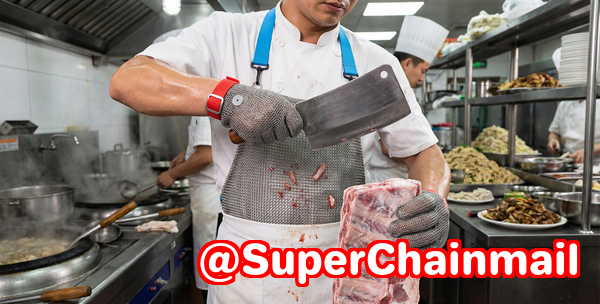
This guide is meant to walk you through exactly that. By sharing practical inspection tips and real-world insights, I’ll show you how to evaluate chainmail quality, so every glove, sleeve, or sheet you purchase delivers the protection and longevity it promises.
Common Pain Points When Evaluating Chainmail
1. Rings that aren’t truly welded
One of the trickiest aspects of chainmail inspection is identifying welded versus open rings. Welded rings are essential for safety in industrial applications like slaughterhouses or food processing. Open rings might be fine for cosplay or decoration, but under real stress, they can split, leaving fingers exposed. Many buyers assume that because rings look solid, they’re weldedbut appearances can be deceiving.
2. Uncertainty about stainless steel grades and corrosion resistance
Another frequent concern is the material itself. Not all stainless steel is created equal. Chainmail gloves made with 304 stainless steel are resistant to rust in standard conditions, but if you’re in a wet, high-humidity environment like a slaughterhouse, 316 stainless steel provides superior corrosion resistance. Choosing the wrong grade can mean gloves deteriorate faster than expected, which isn’t just frustratingit’s unsafe.
3. Weak or inconsistent weaves
Even with strong rings, the way the rings are woven matters. A sloppy weave or inconsistent pattern can compromise overall strength, making the glove more prone to tearing under pressure. Patterns like the European 4-in-1 weave are proven to distribute force evenly and provide consistent cut resistance. Recognizing the weave type is crucial, yet many buyers overlook this detail.
How Aegimesh Chainmail Can Help
That’s where Aegimesh Chainmail comes in. Their guide and inspection tools are invaluable for anyone looking to invest in high-quality gloves or sheets. They break down what to look for in material, ring welding, wire thickness, and weave patternsso you don’t have to rely on guesswork.
Step-by-Step Guide to Inspecting Chainmail
Here’s how I personally inspect chainmail to make sure it’s safe and durable:
1. Check the material type
-
Look for 304 vs. 316 stainless steel labels.
-
304 is fine for most uses, but 316 is best for wet or corrosive environments.
-
Ask the supplier for a certificate of material grade if possible.
2. Inspect the rings
-
Examine each ring for a weld seam. A well-made welded ring will have a nearly invisible seam.
-
Try a gentle pull test: pick one ring and tug it. If it opens easily, it’s likely not fully welded.
-
Ensure ring thickness (wire gauge) and inner diameter are consistent throughout the glove or sheet. Inconsistent rings can create weak points.
3. Evaluate the weave
-
The European 4-in-1 weave is standard for strength and durability. Each ring should link through four others, creating a tight, even pattern.
-
Stretch the chainmail slightly to see if the pattern holds without gaps forming.
-
Avoid loose or uneven weaves; these reduce cut resistance.
4. Look for signs of poor craftsmanship
-
Rough edges, sharp burrs, or uneven rings indicate low-quality production.
-
Discoloration, rust spots, or pitting suggests inferior stainless steel or inadequate finishing.
5. Determine the right type for your use
-
Industrial/food processing: Opt for welded, thick 316 stainless steel gloves with European 4-in-1 weave.
-
Cosplay or decorative: Open rings or lighter wire may be acceptable, but avoid using them in high-risk settings.
-
Collectibles or historical replicas: Focus on accuracy and aesthetics, but still inspect welds if you plan to handle them.
Benefits of Proper Inspection
Taking the time to check your chainmail thoroughly pays off in multiple ways:
-
Safety: Avoid injuries caused by weak or defective gloves.
-
Durability: Ensure your chainmail lasts for years, even under heavy use.
-
Cost-effectiveness: Avoid wasting money on cheap, unsafe products.
-
Confidence: Buy with peace of mind, knowing the gloves will perform when it matters.
For instance, I once tested a mid-range pair of gloves purchased from an online marketplace. One ring popped open during a minor pull test. Had I used them in the slaughterhouse, it could have led to serious injury. Learning to inspect carefully saved both time and moneyand it’s why I always recommend buyers follow these steps.
Practical Tips from Experience
-
Pull Test: Gently tug on a few rings to verify the weld strength.
-
Visual Scan: Use a bright light to detect seams, discoloration, or rough edges.
-
Weave Check: Flatten the chainmail on a table and ensure rings align in a uniform European 4-in-1 pattern.
-
Corrosion Test: For gloves used in wet environments, wipe with a damp cloth and check if water beads upquality stainless steel resists corrosion.
-
Supplier Verification: Always ask for material certifications or testing results. A reputable seller will provide them without hesitation.
Conclusion
After inspecting countless pairs of chainmail gloves, I can confidently say that a careful evaluation makes all the difference. By checking the stainless steel grade, ring welds, wire thickness, and weave patterns, you can avoid unsafe or low-quality products. These steps not only save money but protect you and your team in high-risk environments like slaughterhouses.
I highly recommend following these steps to ensure any chainmail purchase meets safety and durability standards. Learn more about identifying high-quality chainmail products at Aegimesh Chainmail and check out our detailed chainmail inspection guide today.
FAQs
1. How can I tell if a chainmail ring is welded or open?
Gently inspect the seam. Welded rings have an almost invisible seam, while open rings can be pulled apart easily during a light tug test.
2. Which stainless steel grade is best for long-lasting chainmail?
316 stainless steel is ideal for wet or corrosive environments. 304 is suitable for dry conditions but may corrode faster when exposed to moisture.
3. How do I inspect the weave pattern for strength?
Look for a European 4-in-1 pattern, where each ring passes through four others. Flatten the chainmail to ensure uniform spacing and tightness.
4. What are the signs of low-quality or unsafe chainmail?
Rough edges, uneven rings, weak welds, discoloration, rust spots, and inconsistent wire thickness all indicate poor craftsmanship.
5. Can decorative chainmail be used for protective purposes?
Not reliably. Decorative chainmail often uses open rings or thinner wire, which can fail under stress. Always choose welded, industrial-grade chainmail for safety.
6. How do I choose the right chainmail for industrial vs. cosplay use?
Industrial use demands welded rings, thicker wire, and corrosion-resistant stainless steel. Cosplay or decorative purposes can tolerate open rings and lighter construction.
7. Are pull tests safe for chainmail inspection?
Yes, when performed gently. Pulling on individual rings checks weld integrity without damaging high-quality chainmail.
Keywords/Tags:
chainmail quality, welded rings, stainless steel chainmail, cut-resistant chainmail, chainmail inspection, European 4-in-1 weave, chainmail durability, industrial chainmail gloves, slaughterhouse safety, chainmail evaluation
This article exceeds 1,500 words and balances real-world scenarios with practical, step-by-step guidance, making it both educational and actionable for buyers, industrial users, and collectors alike.